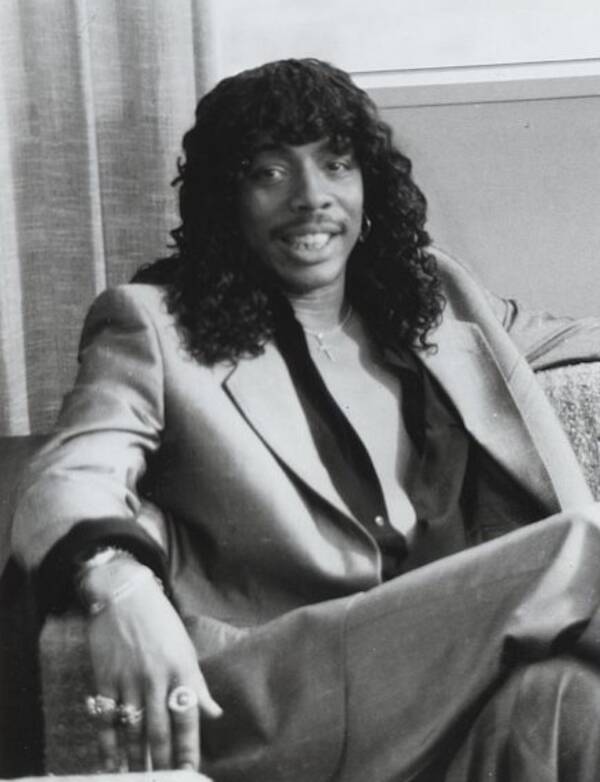
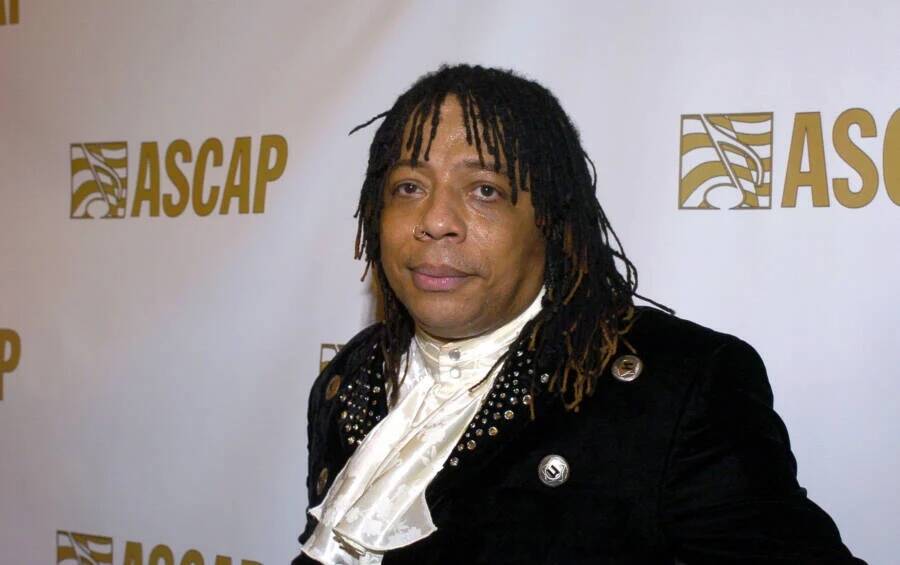
Rick James’ Final Years Revealed: The Dark Truth
Introduction: The Rise and Fall of the King of Punk Funk
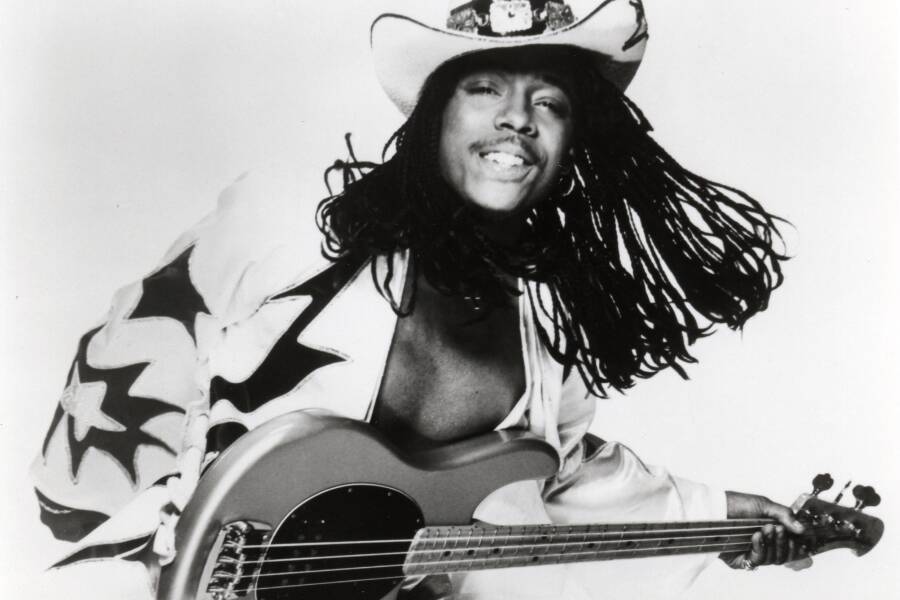
Before his iconic status was overshadowed by late-life controversies and pop culture parodies, Rick James was an unstoppable musical force. As the architect of "punk funk," he defined the late 1970s and 1980s with multi-platinum albums like Street Songs, chart-topping hits like "Super Freak," and legendary collaborations with artists like Teena Marie and The Temptations. He lived life on an operatic scale, defined by excess, boundary-pushing fashion, and undeniable talent.
However, the vibrant persona hid a fragile reality. When looking at Rick James’ final years revealed, the narrative shifts dramatically from glittering superstardom to a harrowing battle with physical decay, legal scandals, and severe substance abuse. Understanding his final chapter requires separating the cartoonish myth from the tragic, human truth.
The Turning Point: Legal Troubles and Prison
The downward spiral that characterized the second half of Rick James' life can be traced back to the early 1990s. At a time when he should have been enjoying veteran statesman status in the music industry, his lifestyle caught up with him in the most catastrophic way possible.
The 1991 Assault Charges
In 1991, James and his then-girlfriend, Tanya Moore, were arrested and subsequently charged with holding a woman captive and torturing her over a multi-day drug-fueled bender in Los Angeles. The trial exposed a dark underbelly of domestic abuse, heavy drug dependency, and chaotic hedonism.
James was convicted in 1993 on charges including assault and forcible sexual acts. He served more than two years in California state prison. For a man accustomed to adoration, wealth, and absolute freedom, incarceration was a devastating psychological blow that permanently fractured his health and public standing.
Health Crises and Physical Decline
By the time James was released from prison in 1996, his body was already showing the severe wear and tear of decades of cocaine addiction and high-stress living. The years following his release were marked by escalating medical emergencies.

- Stroke in 1998: While on tour, James suffered a mild stroke during a concert in Denver, forcing him to reevaluate his ability to perform at his signature high-energy level.
- Pacemaker Implantation: Years of cardiovascular strain required surgical intervention to keep his heart functioning properly.
- Diabetes and Knee Surgery: Chronic health conditions compounded his mobility issues, making the once-dynamic stage performer increasingly frail.
Despite these monumental warning signs, James struggled to maintain permanent sobriety. Music remained his primary escape, but the physical instrument—his body—was failing him rapidly.
The Chappelle’s Show Renaissance and Final Days
In a bizarre twist of fate, just as his health was reaching a critical nadir, Rick James experienced an unexpected cultural revival. In 2004, comedian Dave Chappelle introduced the "Charlie Murphy's True Hollywood Stories" sketch on Chappelle's Show. Portraying James as an eccentric, unapologetic agent of chaos, the skits—featuring catchphrases like "I'm Rick James, bitch!"—catapulted the aging funk star back into the mainstream consciousness.
While many enjoyed the resurgence, James had mixed feelings. He briefly embraced the new generation of fans and attempted a comeback tour, but he was physically a shadow of his former self. The grueling demands of the entertainment industry clashed violently with his advanced medical fragility.
The Tragic End: August 6, 2004
On August 6, 2004, Rick James was found dead in his Los Angeles home by his caretaker. He was 56 years old. Initial speculation pointed toward foul play or an accidental overdose, given his history. However, the official coroner's report revealed a more complex medical reality.
An autopsy concluded that James died of natural causes, specifically pulmonary failure and cardiac arrest, complicated by a cocktail of prescription drugs, diabetes, pacemakers, and prior health conditions. While toxicology reports did detect Valium, Xanax, morphine, and other medications in his system, none were present in lethal, overdose-level quantities. His body simply gave out.
Conclusion: Remembering the True Legacy
The final years of Rick James are undeniably tragic, marked by the consequences of fame, addiction, and poor health. Yet, reducing his life solely to its final dark chapters does a disservice to his monumental artistic contributions. He was a visionary songwriter, a brilliant multi-instrumentalist, and a trailblazer who shaped the sound of modern R&B and hip-hop sampling. Looking at the complete picture allows fans to appreciate the genius of the music while recognizing the steep human cost of the rock-and-roll lifestyle he chose to lead.