Rick James: When Brilliance Met Disappearance
To modern pop-culture consumers, Rick James is frequently remembered as an outrageous caricature—a wild, beaded-braid persona frozen in late-night television parodies and catchphrases. Yet that surface view obscures an astonishingly ambitious musical architect. The forgotten story of Rick James: when brilliance met disappearance! reveals a man who revolutionized Motown, pioneered the "punk-funk" sound, and mentored groundbreaking artists before self-destruction and legal reckonings swallowed his career whole.
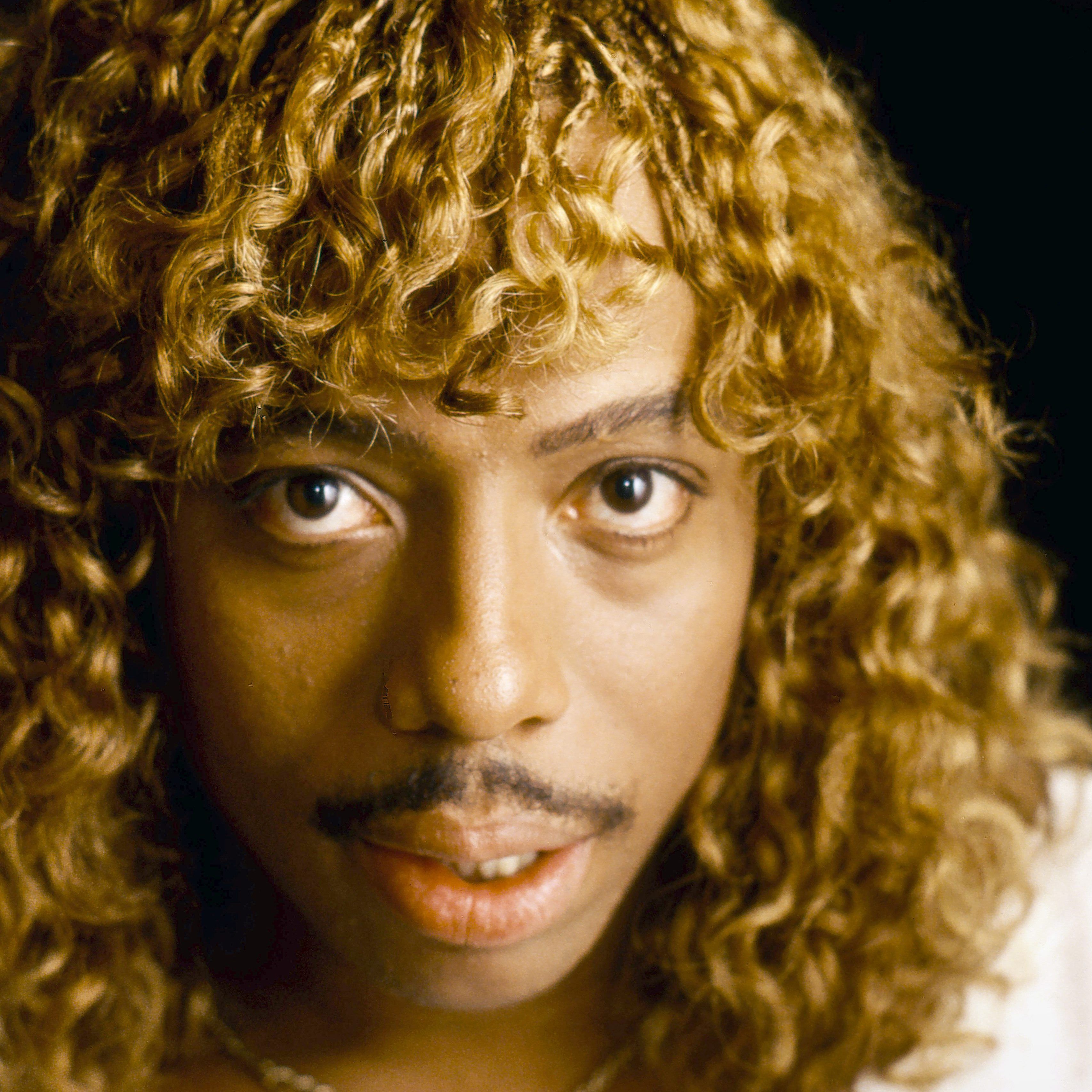
Before the decline, James was an uncompromising visionary. His path crossed genres, international borders, and artistic eras, leaving behind a sonic blueprint that shaped decades of urban music, pop, and hip-hop.
The Fugitive Years: From Toronto to The Mynah Birds
Born James Ambrose Johnson Jr. in Buffalo, New York, in 1948, James was immersed in urban music and street culture from childhood. After joining the U.S. Naval Reserve, he faced deployment to Vietnam. Instead of deploying, he went AWOL and fled across the Canadian border to Toronto in 1964.
Operating under the alias Ricky James Matthews, he immersed himself in the Yorkville bohemian music scene. What followed was one of the most unexpected chapters in rock history: James formed a band called The Mynah Birds. The lineup featured a young Neil Young and future Steppenwolf members Goldy McJohn and Nick St. Nicholas.
The Mynah Birds caught the ear of Motown Records and signed a contract in 1966. However, before their debut album could be released, Motown executives discovered James’s status as a military fugitive. The label shelved the project, and James surrendered to military authorities to serve time in the brig. That early collision of extraordinary talent and self-inflicted crisis set a pattern that would define his entire adult life.
Inventing "Punk Funk" and Revitalizing Motown
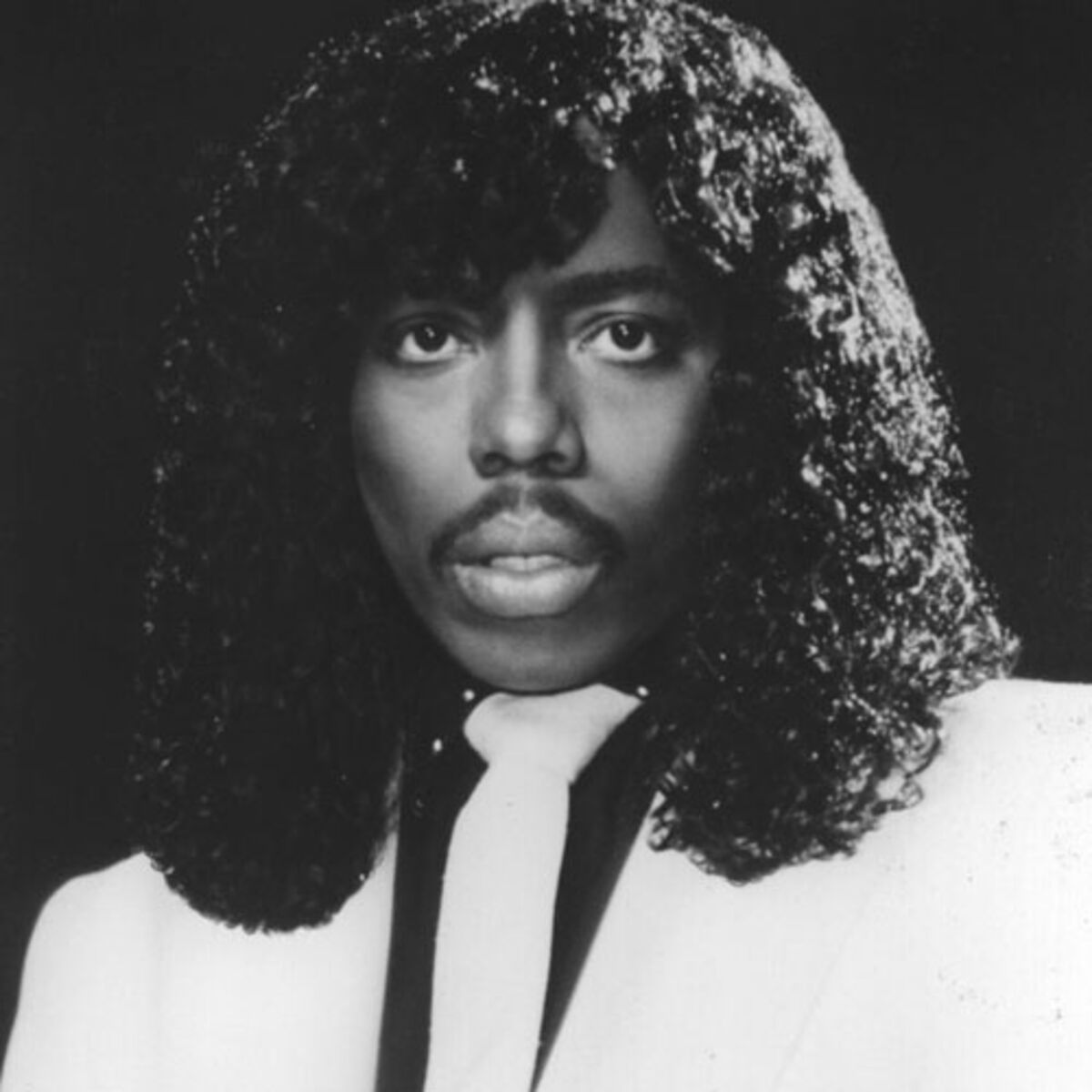
By the late 1970s, Motown was losing ground to slick disco and glossy arena acts. James returned to the label not merely as a singer, but as an auteur who wrote, arranged, performed, and produced his own material. In 1978, he dropped Come Get It!, an explosive fusion of gritty street rhythms, rock guitars, and polished soul that he labeled "punk funk."
The album yielded monster hits like "You and I" and "Mary Jane," proving that James understood post-civil rights dance floors better than almost anyone else in Detroit or Los Angeles. He didn't just write hooks; he established dense, driving basslines that hit listeners in the chest.
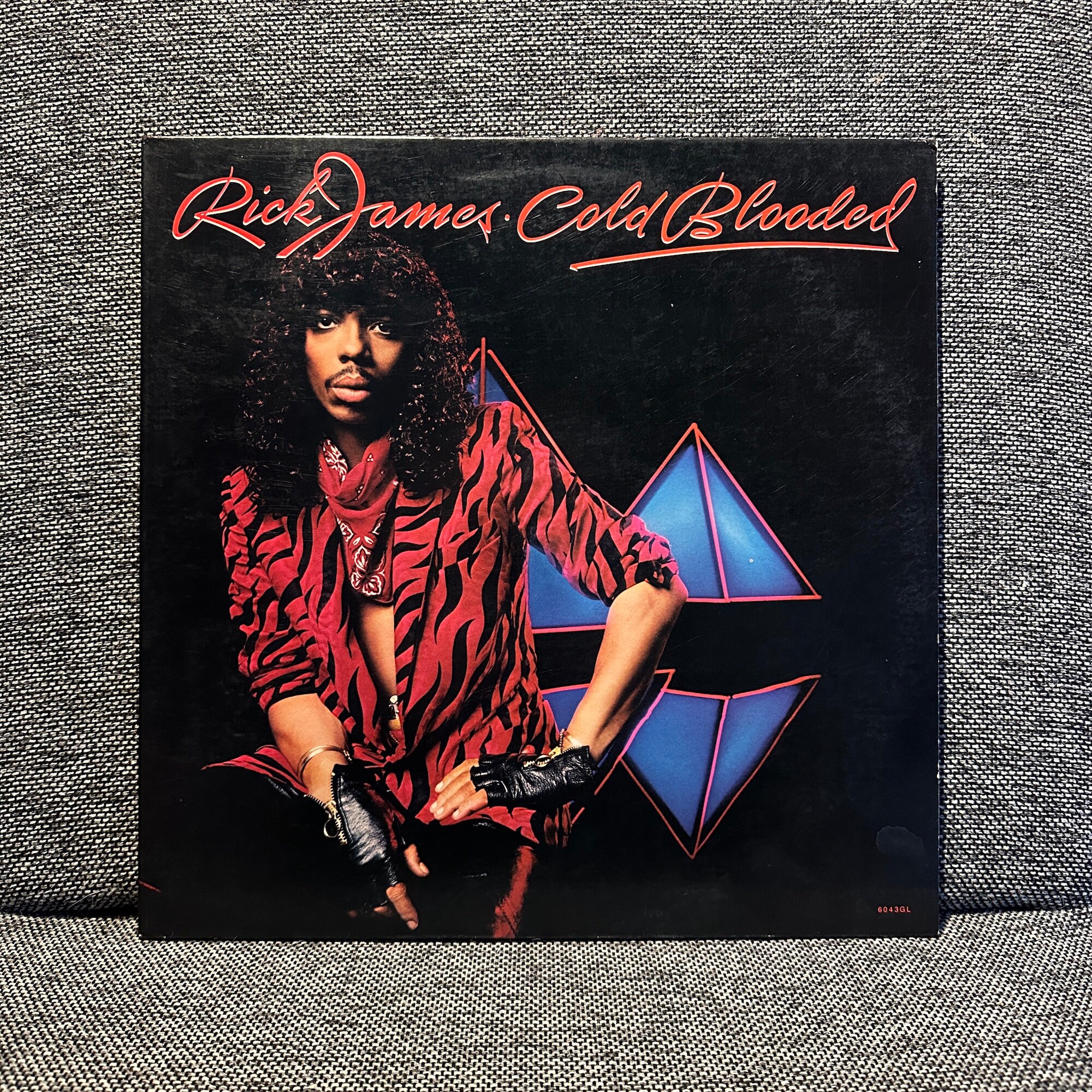
In 1981, James achieved pop perfection with Street Songs. Fueled by tracks like "Give It to Me Baby" and the timeless synth-bass bounce of "Super Freak," the album spent 20 weeks at the top of the R&B charts and sold millions of copies worldwide. During this peak period, James also built an empire by discovering and producing other acts:
- Teena Marie: James championed her vocal brilliance, producing her breakthrough 1979 debut Wild and Peaceful.
- The Mary Jane Girls: He created the group, wrote their signature tracks including "In My House," and established their distinct aesthetic.
- Eddie Murphy: James produced Murphy's 1985 smash single "Party All the Time," demonstrating his undeniable commercial instincts.
The Forgotten Story of Rick James: When Brilliance Met Disappearance!

At the height of his commercial dominance, Rick James felt an encroaching sense of artistic displacement. A fierce rivalry with Prince emerged in the early 1980s, especially after Prince supported James on tour and quickly eclipsed him in mainstream crossover appeal. Frustrated by what he viewed as industry politics and MTV’s initial reluctance to play Black artists, James leaned increasingly into severe substance abuse.
By the late 1980s, the brilliant producer who once commanded complex orchestral and funk arrangements was consumed by heavy crack-cocaine addiction. He retreated from the studio into isolation, and his public visibility evaporated. When music fans entered the 1990s, James had effectively vanished from the charts—not because his musical talent had faded, but because his personal life had collapsed entirely.
The disappearance from music was replaced by tabloid infamy. In the early 1990s, James faced severe criminal charges stemming from violent, drug-fueled incidents in California. In 1994, he was convicted of assault and sentenced to Folsom State Prison, serving over two years behind bars. The man who had ruled the airwaves was now behind high stone walls, his artistry completely eclipsed by crime and addiction.
The Royalty Lifeline and the Complicated Return
Ironically, during his lowest personal points, James remained omnipresent on global radio. In 1990, MC Hammer sampled the bassline and riff from "Super Freak" for his pop juggernaut "U Can't Touch This." James famously filed suit, ultimately earning co-writing credits and a Grammy Award for Best R&B Song—the only Grammy of his career. The massive royalties from Hammer’s multi-platinum release kept James financially solvent while his own output remained stalled.
Following his release from Folsom in 1996, James attempted a musical comeback. In 1997, he released the studio album Urban Rapsody and embarked on a major tour. But his body began paying the price for decades of excess:
- In 1998, he suffered a stroke during a performance in Denver, which permanently damaged his circulatory health.
- Hip replacement surgery and recurring cardiovascular complications forced him off the stage once again.
- He largely withdrew from the public eye, living quietly in his Southern California home.
The Final Chapter: Parody vs. True Legacy
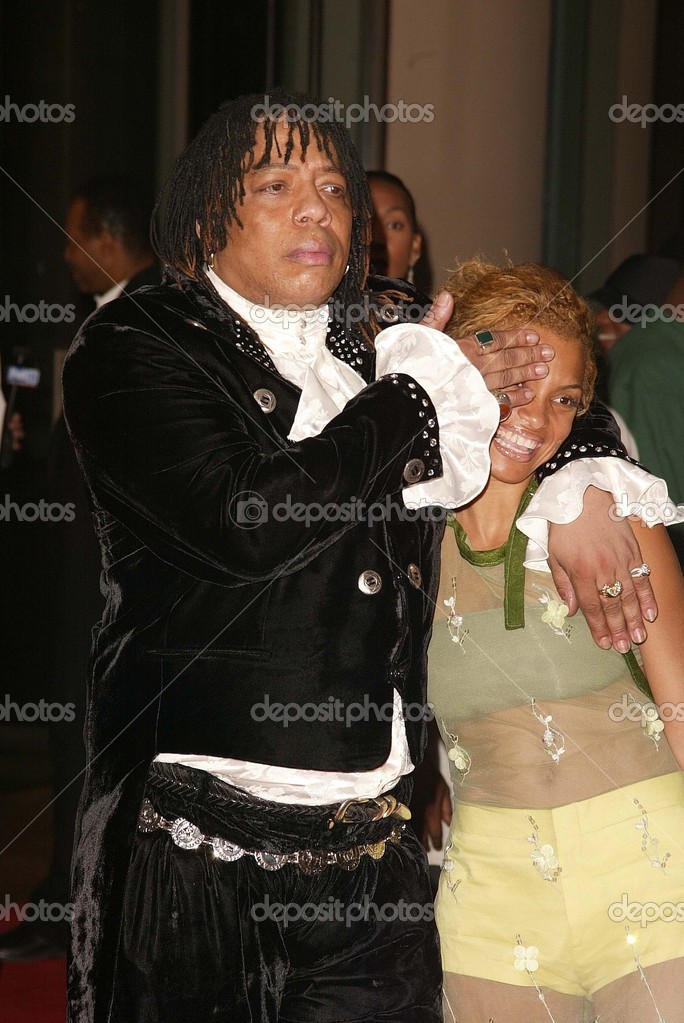
In early 2004, Dave Chappelle featured James on Chappelle's Show in a series of sketches detailing his wild 1980s exploits with Charlie Murphy. The sketches were comedic masterpieces that introduced James to an entirely new generation, turning phrases like "I'm Rick James, bitch!" into worldwide sensations. James participated in the humor, enjoying a final flash of massive cultural relevance.
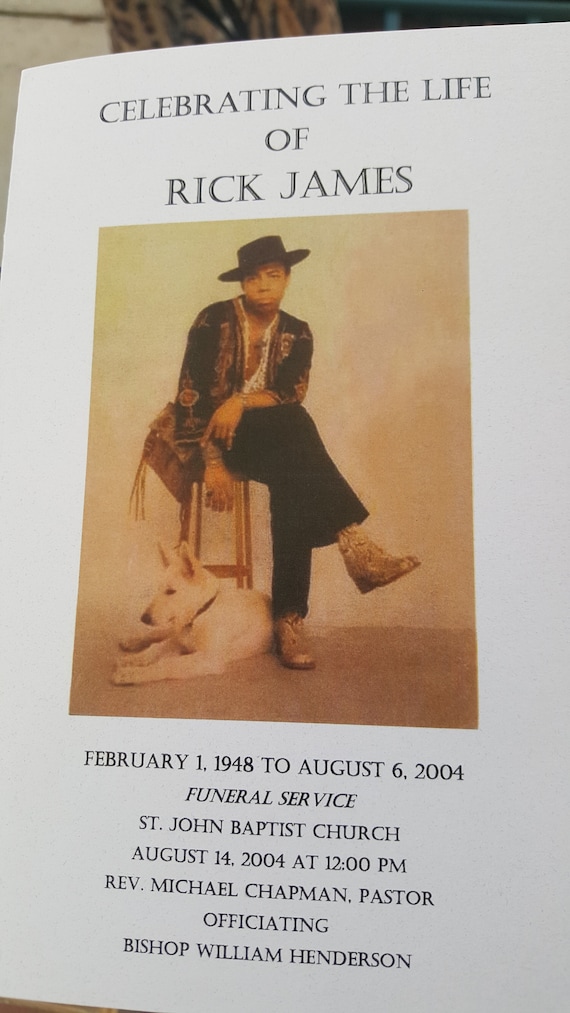
Tragically, the resurgence was short-lived. On August 6, 2004, Rick James was found dead in his Burbank apartment at age 56. The coroner determined that he died of heart failure caused by an enlarged heart and underlying medical conditions, with multiple substances detected in his system.
To view Rick James purely through the lens of late-career scandals or sketch comedy does a deep disservice to musical history. Beneath the turbulent lifestyle was a master multi-instrumentalist, a fierce defender of musical ownership, and a pioneer who bridged the gap between raw funk and polished modern pop. Reassessing his work confirms what true musicians have always known: Rick James did not simply ride a wave of 1980s indulgence—he was an essential genius whose sound defined an era.