Ripping VRChat Avatars: Virtual Ownership Dilemma
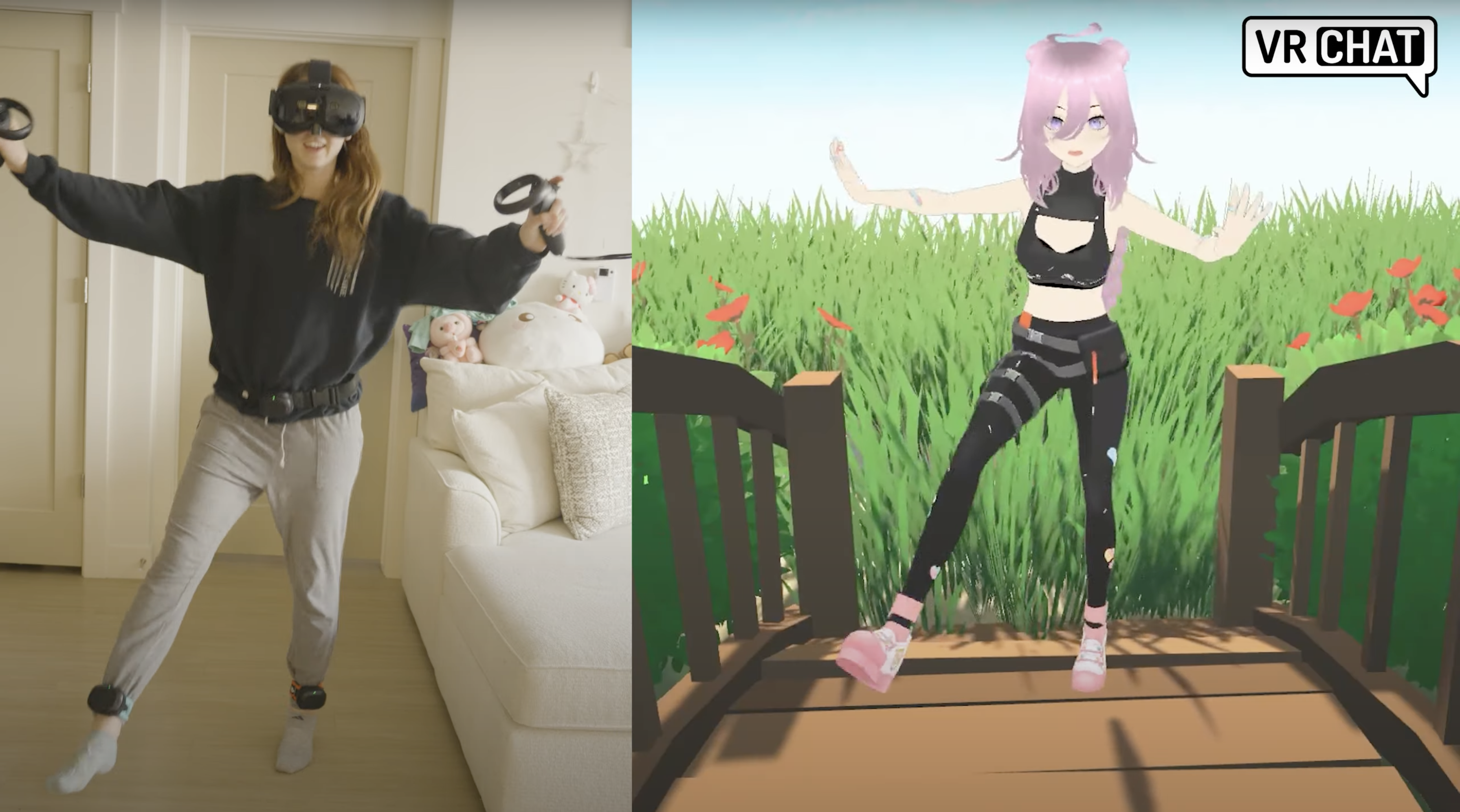
In social virtual reality, your avatar is far more than an interactive 3D asset; it serves as your face, your body language, and your primary instrument of self-expression. Yet, the technical architecture that allows users to see each other in virtual environments also exposes a glaring vulnerability. When discussing ripping VRChat avatars: the ethical dilemma of virtual ownership quickly emerges as one of the most polarizing debates in digital culture today. It sits squarely at the intersection of intellectual property law, cybersecurity, digital identity, and artistic labor.
What Is Avatar Ripping in VRChat?
To understand the controversy, one must first understand how VRChat handles 3D models. When you load into a virtual world, your local machine must render every other user present. To do this, your computer downloads each user's avatar as a compiled Unity AssetBundle into a local cache directory.
Avatar “ripping” refers to the unauthorized extraction, decompilation, and reuse of these cached assets. Using external software such as AssetRipper, memory-dumping utilities, or modified game clients, a bad actor can pull the raw 3D mesh, proprietary shaders, custom textures, PhysBone configurations, and animation controllers directly from their system memory. Unlike VRChat's native “avatar cloning” feature—which is an opt-in mechanic respected by the platform's software—ripping bypasses all user permissions and platform constraints.
The Booming 3D Creator Economy
VRChat boasts one of the most vibrant decentralized digital economies in the world. Platforms like Booth.pm, Gumroad, and Patreon host thousands of independent 3D artists who design, sculpt, rig, and optimize bespoke avatars. These models range from commercial base models sold for $30 to $60, to fully bespoke, one-of-a-kind commissions costing upwards of several thousand dollars.
Creating an expressive, performance-ranked VRChat avatar requires deep technical and artistic expertise, including:
- Precision 3D modeling and topology optimization in software like Blender.
- Hand-painted UV texturing, normal mapping, and complex PBR material creation.
- Intricate armature rigging, weight painting, and viseme lip-sync setup.
- Advanced Unity shader programming and dynamic PhysBone hierarchy balancing.
When an avatar is ripped, this commercial ecosystem suffers directly. Ripped assets are frequently re-uploaded as public avatars, shared on piracy forums, or repackaged and resold by opportunistic actors, completely undermining the livelihood of indie developers.
Ripping VRChat Avatars: The Ethical Dilemma of Virtual Ownership
At the heart of the matter lies a philosophical paradox: What does it actually mean to “own” something in a virtual space?
When an individual purchases a digital avatar from a platform like Booth, they typically acquire a non-exclusive license to use the model, modify it for personal needs, and upload it to their private VRChat account. However, that purchase does not grant the buyer ownership of the underlying intellectual property. Most commercial licenses explicitly prohibit public uploads (which allow arbitrary users to clone the avatar) and redistribution of the raw files.
The ethical friction intensifies because an avatar is intertwined with personal psychology. In physical reality, stealing someone's clothes leaves them stripped of property. In social VR, stealing an avatar feels closer to identity theft. When an artist spends 200 hours building a unique digital body that represents their personal identity, and a stranger extracts that model to use or distribute without consent, the violation feels deeply personal.
The “Right to Remix” vs. Artistic Exploitation
Some communities within virtual worlds lean into an older internet ethos: if data reaches my local machine, it is mine to inspect, modify, and reuse. Proponents of digital open-access argue that avatar ripping is simply an extension of internet modding culture. They view AssetBundles as fair game for learning, reverse engineering, or asset extraction.

However, this argument often collapses under scrutiny. Modding traditional games typically involves altering software for personal play. Ripping social avatars frequently involves taking bespoke, copyrighted work crafted by small independent artists and republishing it publicly, erasing credits and financial compensation in the process.
Technical Defenses and Legal Roadblocks
Combating avatar theft has proven notoriously difficult due to technical realities and legal fragmentation.
1. The Client-Side Dilemma
Fundamentally, if a client computer must render a 3D model, the vertex data, textures, and bone matrices must exist in the GPU's memory. No software layer can completely hide data from a determined user who has full administrative control over their local hardware. While VRChat implemented Easy Anti-Cheat (EAC) in 2022 to deter modified clients, EAC cannot eliminate external memory scrapers or specialized network interceptors.
2. Obfuscation and Security by Obscurity
Creators frequently attempt to protect their work using obfuscation scripts, dummy bones, intentionally corrupted UV mappings resolved only via custom runtime shaders, or hidden digital watermarks. While these measures deter amateur rippers, skilled asset crackers routinely reverse-engineer these protections within days.
3. Cross-Border DMCA Challenges
Intellectual property enforcement in social VR is an international nightmare. A high percentage of the most sought-after VRChat avatars are created by Japanese 3D artists, while the users ripping and re-hosting them may reside in North America, Europe, or jurisdictions with minimal copyright enforcement. Filing a formal Digital Millennium Copyright Act (DMCA) takedown requires real-world legal information, international paperwork, and fees that small independent artists rarely have the resources to pursue.
The Social Contract: Why Community Ethics Matter Most
Because technical and legal safeguards remain imperfect, the VRChat community relies heavily on social norms and self-policing to protect creators.
- Community Blacklisting: Communities, event organizers, and roleplay groups regularly ban users caught wielding known ripped or stolen avatars.
- Verification Culture: Many high-tier dance troupes, performance groups, and competitive communities require proof of purchase from Booth or Gumroad before allowing members to perform in specific models.
- Direct Support: A growing cultural movement emphasizes paying 3D creators directly and commissioning custom work rather than trading pirated assets.
Looking Ahead: The Future of Virtual Property
As virtual reality matures and moves toward broader consumer adoption, the issues pioneered in VRChat will serve as case studies for the wider digital economy. Centralized platforms often promote blockchain solutions or proprietary encrypted streaming protocols to solve virtual ownership, but these approaches introduce significant latency, performance bottlenecks, and usability hurdles.
Until rendering technology changes dramatically, avatar security will remain an ongoing arms race. Respecting the craft of 3D modeling, supporting transparent licensing, and enforcing strict social accountability within VR communities remain the most effective tools to protect the creators who build the virtual worlds we inhabit.