Riverside County Population 2021: Growth & Data
Introduction to Riverside County Growth
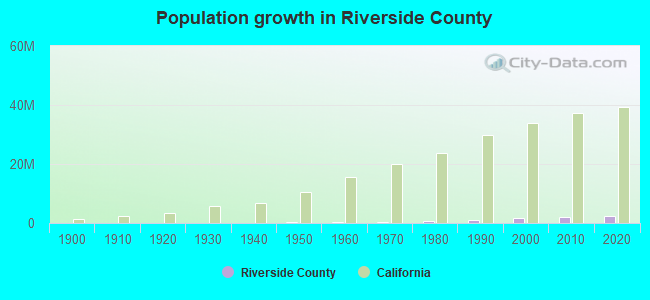
As one of Southern California's fastest-growing regions, the Inland Empire has consistently drawn new residents seeking housing affordability, space, and economic opportunity. When analyzing the riverside county population 2021 data released by the U.S. Census Bureau and the California Department of Finance, a clear picture emerges of a county in rapid transition. Moving past the initial disruptions of the COVID-19 pandemic, Riverside County continued to experience net positive migration as families and businesses relocated from higher-cost coastal metropolitan areas like Los Angeles, Orange County, and San Diego.
Understanding the exact figures and underlying demographic shifts of this period provides valuable context for real estate analysts, local policymakers, business owners, and new residents alike. This guide breaks down the official numbers, examines what drove the growth, and looks at how different cities within the county fared during this pivotal year.
Official Riverside County Population 2021 Figures
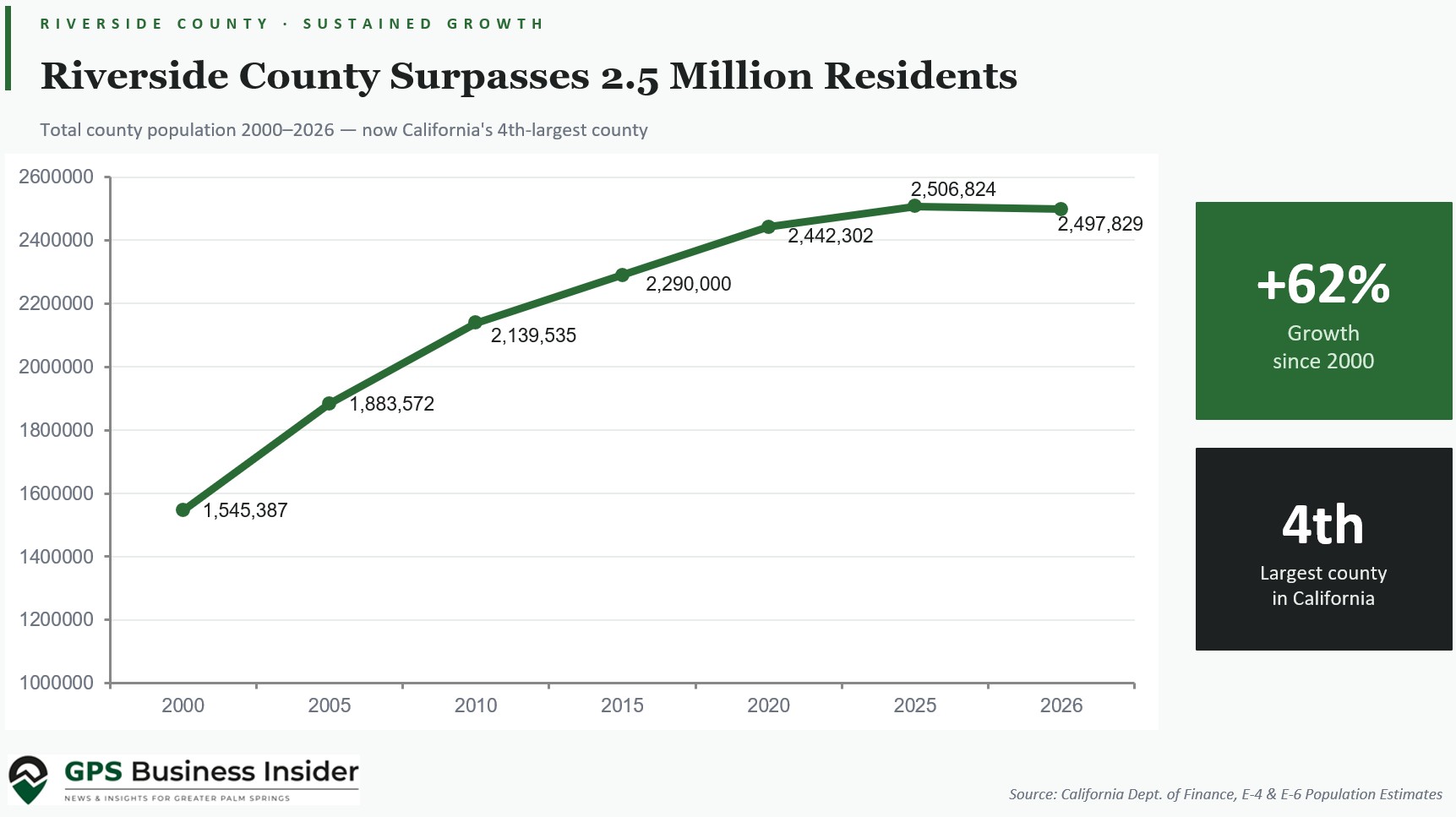
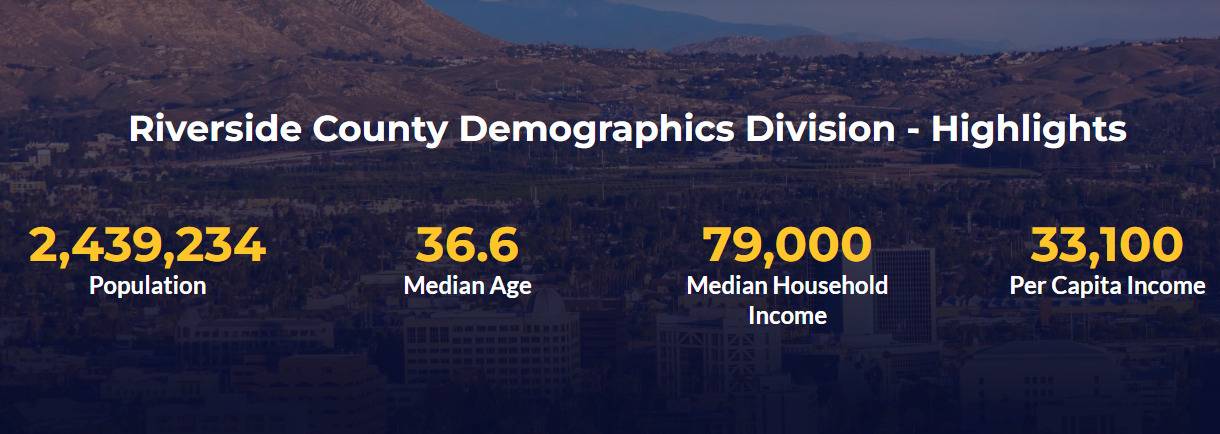
According to official estimates and the aftermath of the 2020 decennial census, the riverside county population 2021 officially hovered around 2.45 million residents. This placed Riverside County solidly as the fourth-most populous county in the state of California, trailing only Los Angeles, San Diego, and Orange counties.
Key Statistical Takeaways
- Total Population: Approximately 2,458,350 residents.
- State Ranking: 4th largest county in California by population.
- Growth Rate: Continued positive annual growth of roughly 0.6% to 0.8%, bucking the statewide trend of population decline seen in other major urban centers.
- Geographic Area: Spanning over 7,300 square miles, giving the county a population density of about 335 people per square mile.
While major urban centers like San Francisco and Los Angeles saw net population losses during 2020 and 2021 due to residents seeking more space during remote work mandates, Riverside County actually absorbed much of that domestic migration. The allure of suburban yards, larger square footage for the price, and proximity to major employment hubs kept demand high.
What Drove the Population Numbers in 2021?
The steady climb in the 2021 census figures was not accidental. Several distinct economic and social factors converged during this period to make Riverside County a primary destination for movers.
Domestic Migration and the Housing Market
The single biggest driver of population change in 2021 was domestic migration. As remote work became permanent or semi-permanent for thousands of Southern California professionals, employees realized they no longer needed to endure grueling commutes from small apartments in coastal cities. Riverside County offered significantly more affordable single-family housing options in master-planned communities.
Natural Increase vs. Net Migration
Historically, population growth in Riverside County was heavily driven by a combination of natural increase (births minus deaths) and net migration. However, in 2021, public health impacts from the COVID-19 pandemic temporarily depressed birth rates and elevated mortality rates, narrowing the natural increase margin. Consequently, net migration—specifically people moving in from neighboring counties—accounted for the vast majority of the county's positive population change that year.
Video: Riverside County sees uptick in population

Demographic Breakdown of Riverside County
The cultural and economic fabric of Riverside County in 2021 was remarkably diverse, reflecting broader trends across Southern California and the American Southwest.
Age Distribution
Riverside County featured a balanced mix of families, working professionals, and a prominent retiree population, particularly in the Coachella Valley.
- Under 18 Years: Roughly 23% of the population, highlighting the region's appeal to young families.
- 18 to 64 Years: Approximately 60%, representing the core workforce.
- 65 Years and Over: Around 17%, driven largely by retirement communities in cities like Palm Springs, Palm Desert, and La Quinta.
Ethnic and Racial Diversity
The demographic landscape of the county continued to diversify through 2021. Hispanic and Latino residents made up nearly half of the total population (approximately 50%), followed by non-Hispanic white residents at roughly 35%, Asian residents at around 7%, and Black or African American residents at approximately 7%. This multicultural makeup shaped local culture, small business growth, and community services throughout the region.
Fastest-Growing Cities in Riverside County
Growth was not distributed evenly across all 28 incorporated cities and numerous unincorporated communities. The western and southwestern portions of the county saw the most aggressive development.
- Eastvale and Jurupa Valley: As newer incorporated cities, both continued to attract young families with modern housing developments and strong logistics job markets.
- Menifee and Murrieta: Located in the southern corridor, these cities experienced massive suburban expansion, drawing retirees and commuters alike.
- Coachella and Indio: In the eastern desert region, these cities saw steady growth fueled by both permanent residents and an expanding agricultural and hospitality economy.
Impact on Infrastructure and the Local Economy
A population approaching 2.5 million residents in 2021 brought both economic prosperity and significant municipal challenges. The logistics and warehousing sector, centered largely around the Interstate 10 and Interstate 215 corridors, exploded during the e-commerce boom of the pandemic, providing tens of thousands of jobs.
At the same time, the rapid influx of residents put stress on regional transportation networks. State Routes 91 and 60 remained focal points for infrastructure planning, as daily commuters tested the limits of existing highway capacities. Local school districts also navigated fluctuating enrollment numbers as families shifted from urban cores to suburban neighborhoods.
Conclusion
Examining the riverside county population 2021 data reveals a resilient, expanding region that played a vital role in Southern California's demographic reshuffling. While the pandemic created unique economic and public health hurdles, Riverside County's relative housing affordability, space, and strategic location ensured that it remained a magnet for new residents. These foundational numbers from 2021 continue to inform modern urban planning, real estate development, and economic policy across the Inland Empire today.