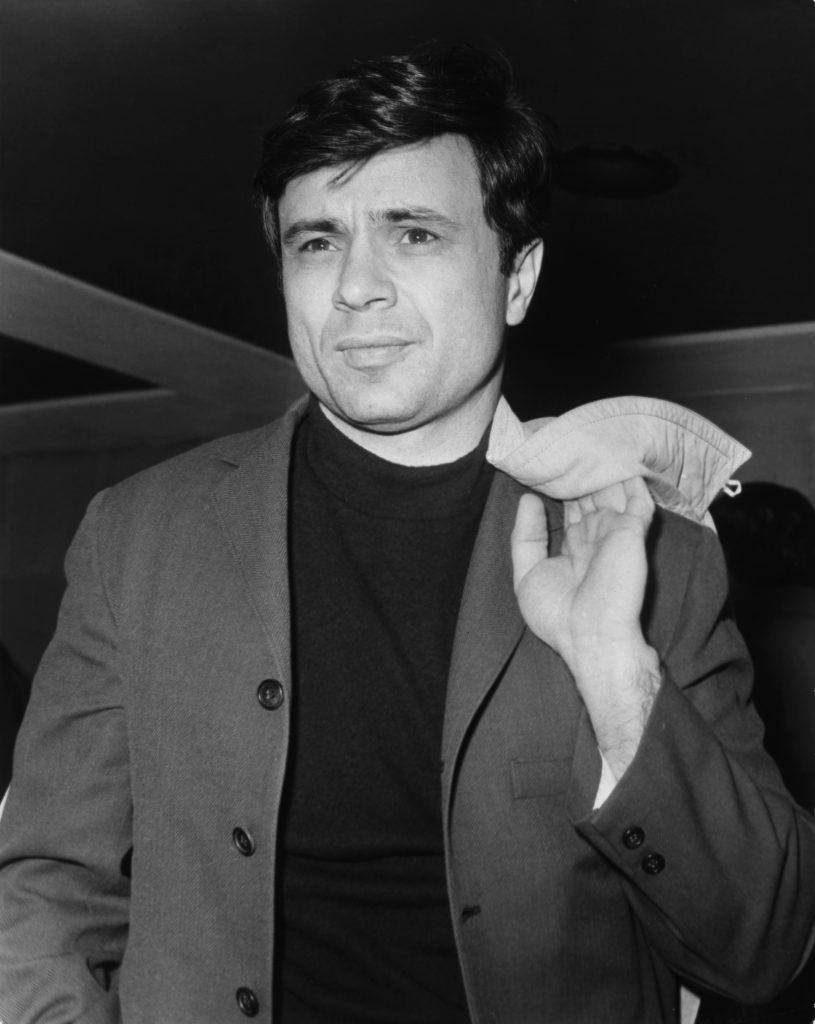
Robert Blake’s Billion-Dollar Question: Net Worth or Hollywood Illusion?
When audiences look back at the dramatic life of actor Robert Blake, they see a career that spanned nearly the entire history of modern American cinema and television. From his beginnings as a pint-sized cast member in Hal Roach’s Our Gang comedies to his Emmy-winning swagger in the 1970s detective series Baretta, Blake appeared to have achieved the ultimate entertainment industry dream. Yet, when exploring the financial realities of his later years, observers face Robert Blake’s Billion-Dollar Question: Net Worth or Hollywood Illusion? The reality behind his finances reveals a sharp divide between the perceived riches of stardom and the devastating costs of prolonged legal warfare.

The Early Decades: From Studio Child to Gritty Leading Man
Born Michael James Gubitosi in 1933, Blake did not enter show business through an elite agency or glamorous screen test. Pushed onto the stage by his parents during the Great Depression, he was working regularly before he reached his tenth birthday. In Hollywood’s studio era, child actors rarely built personal fortunes; earnings were routinely swallowed by families or absorbed by production companies long before modern child-labor protections and trust funds like the Coogan Act were rigorously enforced.
Blake transitioned into adult acting through raw tenacity and grit. His breakthrough came in 1967 when director Richard Brooks cast him as real-life killer Perry Smith in the film adaptation of Truman Capote’s In Cold Blood. The critically acclaimed performance established Blake as a serious dramatic talent capable of intense, brooding character studies. While the role brought widespread industry respect, standard studio contracts of the late 1960s meant critical acclaim rarely translated into immediate, generational wealth.
Peak Earnings: The Baretta Era and Television Residuals
The financial high-water mark of Blake’s career arrived in 1975 when he slipped into the leather jacket of undercover detective Tony Baretta. Baretta became an instant cultural and commercial hit on ABC, earning Blake an Emmy Award and making him one of the highest-paid actors on television during its four-season run.
During the mid-to-late 1970s, top television stars commanded between $20,000 and $40,000 per episode—equivalent to hundreds of thousands of dollars today when adjusted for inflation. Blake invested heavily in Southern California real estate, including a compound in Studio City, and enjoyed the lifestyle expected of a primetime heavyweight.
However, the business model of 1970s television differed fundamentally from today’s syndication goldmines:
- Syndication limits: Unlike modern blockbusters that yield hundreds of millions in streaming and international royalties, older network shows had structured residual tiers that sharply declined after initial reruns.
- Selective roles: Blake was notoriously combative with producers and executives, turning down lucrative projects that did not meet his creative standards.
- Gaps in employment: Long hiatuses between television movies and character roles meant Blake relied heavily on existing investments rather than a steady stream of corporate paychecks.
The Murder Trial: How Legal Defense Gutted His Fortune
The turning point in Robert Blake’s financial and personal trajectory occurred on the night of May 4, 2001. Blake’s wife, Bonnie Lee Bakley, was shot to death in a car parked near Vitello’s, an Italian restaurant in Studio City where the couple had just dined. Nearly a year later, Blake was arrested and charged with her murder.
Mounting a high-stakes criminal defense in Los Angeles is one of the most expensive undertakings in the American justice system. Over the nearly three years leading up to his 2005 acquittal, Blake retained some of the country’s most renowned and expensive criminal defense attorneys, including Harlan Braun and M. Gerald Schwartzbach, alongside private investigators, forensic pathologists, and media consultants.
The financial toll was immediate and devastating. Legal fees mounted into millions of dollars. To satisfy retainer agreements and court costs, Blake liquidated liquid assets, mortgaged property, and burned through retirement accounts. Although the jury returned a verdict of not guilty in March 2005, Blake emerged from the criminal justice system financially depleted.

Robert Blake’s Billion-Dollar Question: Net Worth or Hollywood Illusion?
The public often conflates widespread fame with endless, self-sustaining wealth. Because Blake was a household name for over five decades, tabloid coverage and casual observers frequently speculated about hidden fortunes, secret offshore accounts, and valuable Hollywood royalties. This mystery framed Robert Blake’s Billion-Dollar Question: Net Worth or Hollywood Illusion?—a contrast between the fantasy of celebrity riches and the harsh ledger of liabilities.
The truth became undisputable in late 2005 during the civil trial brought by Bakley’s surviving children. Unlike the criminal proceedings, the civil jury found Blake liable for wrongful death, ordering him to pay $30 million in damages. While an appellate court later reduced that figure to $15 million, the judgment was insurmountable.
In February 2006, Blake filed for Chapter 11 bankruptcy protection. Court documents painted a stark picture that permanently dissolved any remaining illusion of wealth:
- Documented liabilities: Over $50 million in total claims, including the civil wrongful death judgment, state and federal tax liens, and unpaid legal bills.
- Declared assets: Approximately $3 million to $5 million, consisting almost entirely of his Studio City residence and residual rights.
- Income streams: Basic pensions from the Screen Actors Guild (SAG) and the American Federation of Television and Radio Artists (AFTRA), alongside standard Social Security payments.
The bankruptcy filing proved that Blake never held the hundreds of millions—let alone billions—that casual pop-culture mythology sometimes attributes to veteran entertainers. His wealth had been substantial by working-class standards, but it was fragile, finite, and completely vulnerable to catastrophic legal exposure.
The Final Years: Modest Living and Final Estate Value
Following his bankruptcy proceedings, Blake lived largely outside the public eye in the San Fernando Valley. The home in Studio City was sold to pay creditors and legal fees. In his final years, Blake made rare appearances on independent podcasts and YouTube interviews, often reflecting on his acting technique rather than his notorious legal battles.
When Blake died from heart disease on March 9, 2023, at the age of 89, his net worth was estimated to be essentially zero, or slightly negative when accounting for remaining civil judgments and administrative claims. His modest remaining assets were largely protected pension benefits and small residual checks that ceased or converted upon his death.
Key Lessons from the Blake Financial Saga
- Fame does not guarantee solvency: Longevity in Hollywood does not insulate performers from the same economic realities that impact everyday citizens.
- The asymmetric cost of civil litigation: Even when a defendant avoids criminal conviction, civil liability standards can completely erase lifetime earnings.
- The structural shift in industry royalties: Actors from the pre-digital era did not enjoy the equity stakes and enduring back-end profits common in modern entertainment contracts.
Separating Myth from Reality
Ultimately, Robert Blake’s financial story serves as a cautionary tale about the transient nature of celebrity wealth. He earned millions through undeniable talent, magnetic screen presence, and relentless work ethic during an era when Hollywood demanded total commitment from its stars. Yet, the assumption that he possessed an untouchable financial empire was always an illusion maintained by the glare of the spotlight.
When all accounts were settled, Blake’s balance sheet reflected the reality of his turbulent final chapters: a man who traded his fortune for his freedom, leaving behind a complex artistic legacy and an empty bank account.