RuPaul's Drag Race Pit Crew: Cast, History & Roles
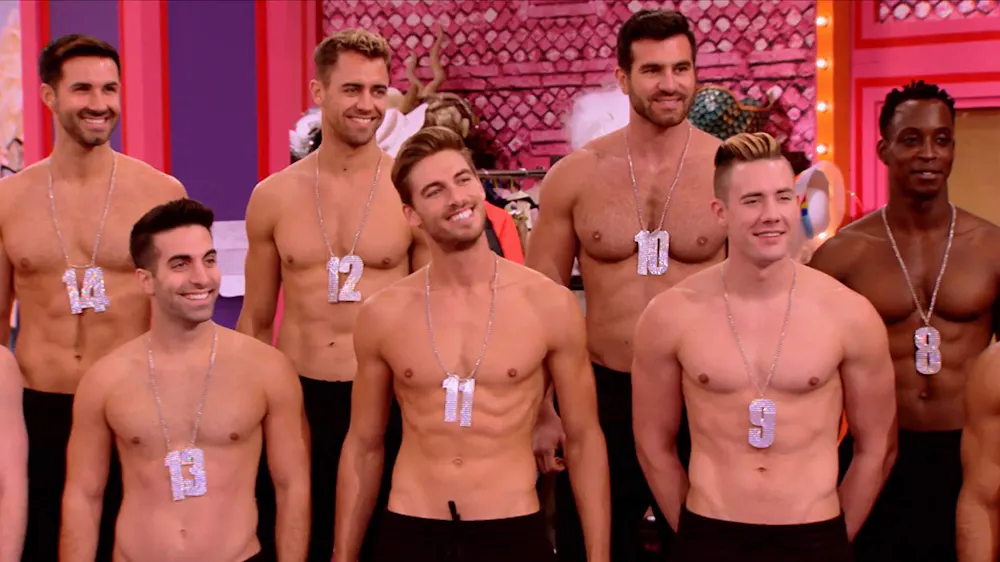
Since the very first season of World of Wonder's Emmy-winning phenomenon, viewers have tuned in not only for runway couture and lip-sync battles, but also for one of the most recognizable fixtures in modern reality television: the rupaul drag race pit crew. Clad predominantly in branded underwear, these male models serve as stagehands, comedic foils, and visual spectacle, playing an integral role in the show's distinctive blend of camp and glamour.

While they initially appeared as simple eye candy to invert traditional game show tropes, the Pit Crew has evolved into a beloved institution with its own dedicated fanbase, lore, and breakout personalities. Here is an in-depth look at their history, the most memorable members, and how their role has changed across more than a decade of television herstory.
The Evolution of the RuPaul Drag Race Pit Crew
In traditional television game shows like The Price Is Right or Wheel of Fortune, glamorous female models were long used to present prizes and assist hosts. When RuPaul created Drag Race in 2009, he deliberately inverted this convention. Instead of women presenting prizes to men, muscular men in matching briefs served the drag queens.
In Season 1, the concept was loose. Photographer Mike Ruiz occasionally stepped in, and various fitness models assisted with early mini-challenges. By Season 2, the production formalized the concept into an official unit: the Pit Crew. Outfitted in signature Andrew Christian briefs, the Crew established a clear comedic dynamic. They were stoic, silent, and entirely at the mercy of RuPaul's double entendres and the contestants' playful flirtations.
Over the years, the styling transitioned to custom Drag Race-branded underwear, and the Crew's involvement expanded from background muscle to active comedic participants in mini-challenges, acting sequences, and musical numbers.
Iconic Pit Crew Members Fans Still Love
Dozens of models have donned the famous briefs, but a handful have achieved genuine celebrity status among the Drag Race fandom due to their longevity and natural charm on camera.
Jason Carter
Jason Carter is the longest-serving member of the Pit Crew, having debuted in Season 3. Known for his warm smile and towering physique, Jason quickly became a steady, comforting presence in the Werk Room. Outside the show, Carter has worked extensively as an actor, personal trainer, and host, remaining one of the primary ambassadors of the franchise.
Shawn Morales
Joining alongside Jason in Season 3, Shawn Morales formed half of the show's most iconic Pit Crew duo. Recognizable by his thick mustache and deadpan facial reactions, Shawn was a regular fixture through Season 6. His unexpected departure ahead of Season 7 sparked widespread fan speculation, cementing his legacy as a classic-era favorite.
Bryce Eilenberg
When Bryce joined the lineup in Season 7, he offered a distinct contrast to the hyper-bronzed archetypes previously featured. With his red hair, glasses, and boy-next-door aesthetic, Bryce brought a playful, relatable energy to the group. Beyond his appearances on Drag Race, Bryce holds an engineering degree and works across commercial modeling and fitness.

Bruno Carvalho
A professional dancer and choreographer born in Brazil, Bruno joined the ensemble in Season 11 and quickly captured the hearts of viewers and contestants alike. His effervescent personality, rhythm, and expressive reactions during challenges made him a standout, leading to regular appearances across mainline seasons and multiple editions of RuPaul's Drag Race All Stars.
More Than Eye Candy: The Pit Crew's Role in Challenges
While the aesthetic appeal is undeniable, the Pit Crew fulfills several vital technical and comedic functions throughout each season. Their appearances typically anchor specific points in an episode's structure:
- Mini-Challenge Catalysts: Mini-challenges rely heavily on physical comedy, and the Crew is frequently the center of the action. Whether serving as living canvasses for quick-drag makeovers, participating in memory games involving their waistbands, or getting tossed into dunk tanks, they execute the physical mechanics of these games.
- Prop Handlers and Escorts: During runway presentations and eliminations, Pit Crew members manage oversized props, deliver secret envelopes, and escort special guest judges or celebrity visitors onto the main stage.
- Acting and Rusical Cameos: In scripted challenges, members often appear in walk-on roles that test the queens' ability to stay in character while delivering improvised jokes against a silent partner.
- Deadpan Comedic Foils: The humor of the Pit Crew often works because of contrast. While queens are projecting maximal energy, the models often maintain blank, stoic expressions, giving the editor perfect reaction shots to highlight a contestant's absurdity.
Expanding Diversity and Global Franchises
As Drag Race expanded across the globe, the composition of the Pit Crew evolved to reflect broader representations of masculinity, body diversity, and cultural backgrounds.
International spinoffs adapted the concept with distinct regional flavor:
- RuPaul's Drag Race UK: Featured British models such as Ashraf and Matt, who leaned heavily into British pantomime humor and self-deprecating comedy.
- Drag Race España: Embraced an energetic Mediterranean sensibility, featuring dancers and performers who actively engaged in the show's chaotic mini-challenges.
- Drag Race France & Philippines: Highlighted local talent, reflecting regional aesthetics while maintaining the classic supportive dynamic.
The franchise has also taken meaningful steps toward greater gender and body inclusivity within its supporting casts. Casting calls in recent years have featured more diverse body types and racial backgrounds, moving away from a singular bodybuilder standard toward dancers, gymnasts, and performers whose varied skill sets bring dynamic physical energy to the stage.
How Models Are Cast in the Crew
Working on Drag Race requires more than an impressive physique. World of Wonder casting directors look for specific attributes that ensure the models enhance the show without derailing its pacing:
- Comfort with Camp: Models must be thoroughly comfortable working in a high-camp, queer space where boundaries are pushed for comedic effect. They must take the work seriously without taking themselves too seriously.
- Improv Awareness: While they rarely have spoken lines, Pit Crew members need sharp timing. Knowing when to look surprised, flex on cue, or hold eye contact with a queen requires an innate understanding of unscripted television.
- Physical Stamina: Shooting days are long. Members often spend hours on their feet in cold studios wearing little more than briefs and sneakers, maintaining high energy through multiple takes.
The Enduring Appeal of the Werk Room Guys
The Pit Crew represents one of the cleverest subversions in reality TV history. By taking a tired entertainment trope—using scantily clad models as ornamental background dressing—and filtering it through a celebratory, queer comedic lens, RuPaul turned simple stagehands into beloved cast members.
Whether guiding queens through ridiculous obstacle courses or standing stoically while a queen recites an iconic read, the Pit Crew remains an indispensable part of the Drag Race formula, proving that a little self-aware absurdity never goes out of style.