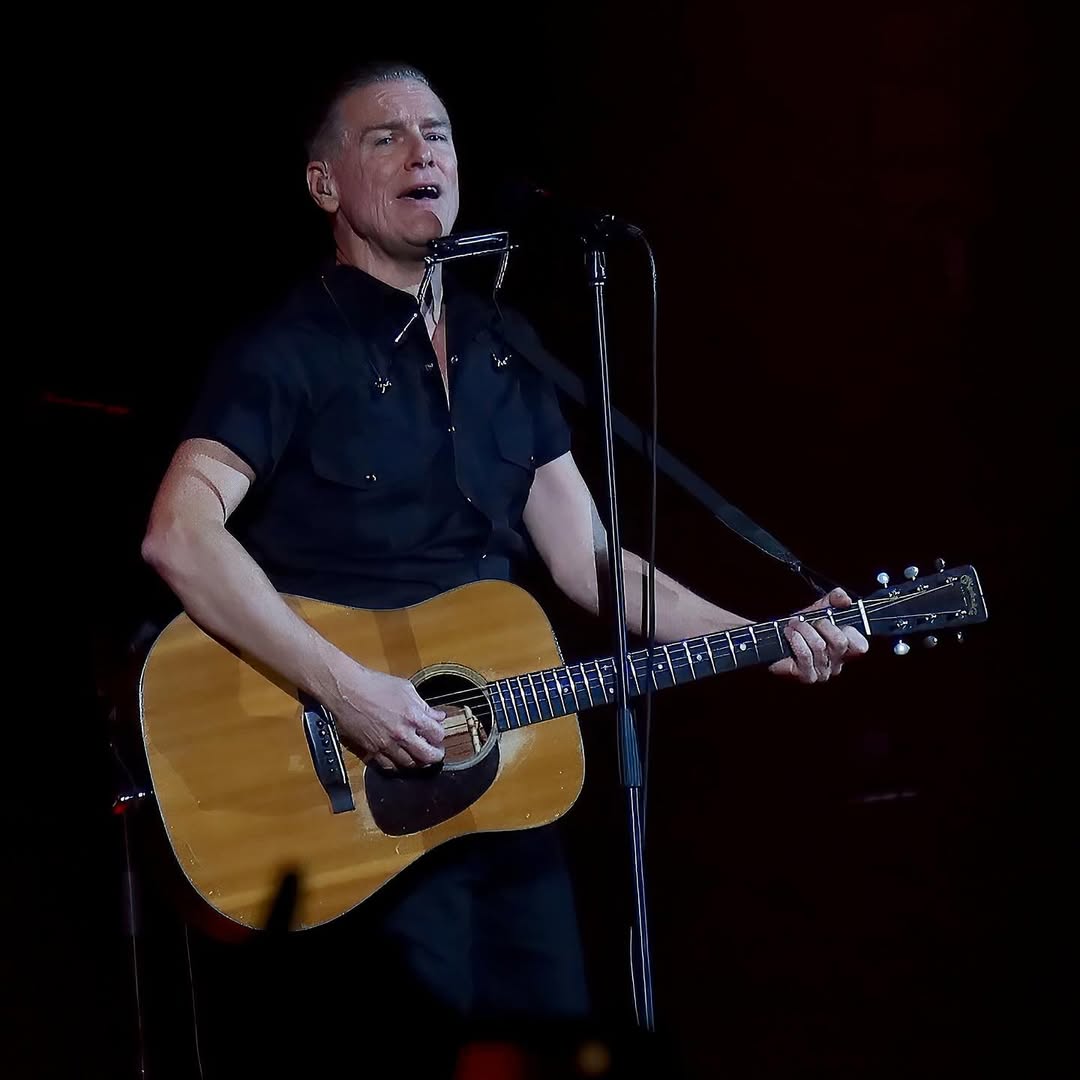
Ryan Adams’ $50 Million Net Worth Secrets: Music
When music fans discuss the prolific career of alternative-country and rock singer-songwriter Ryan Adams, the conversation usually centers on his heartbreak-fueled lyricism, his rapid-fire album releases, and his dynamic live performances. However, behind the Fender guitars and vintage amplifiers lies a quietly formidable financial engine. Understanding Ryan Adams’ $50 million net worth secrets: music requires looking past the tabloid headlines and examining the nuts and bolts of modern music publishing, independent record label ownership, and relentless touring.

While Adams has faced significant public controversies and career setbacks in recent years, his foundational catalog remains immensely valuable. Over a career spanning nearly three decades, he has transitioned from an alt-country trailblazer in Whiskeytown to a Grammy-nominated solo artist capable of self-funding his entire operation. Here is a breakdown of how the singer built and maintained his wealth.
The Power of a Prolific Songwriting Catalog
One of the primary drivers of long-term wealth in the music industry is composition ownership, and Adams is nothing if not prolific. Since releasing his landmark solo debut, Heartbreaker, in 2000, he has put out more than twenty studio albums. This immense output creates a massive surface area for royalty generation.
Every time a track from his extensive discography is streamed on Spotify, played on satellite radio, synced in a television show, or covered by another artist, Adams collects a royalty. Unlike pop stars who rely on outside writers, Adams frequently writes or co-writes his own material, meaning he secures both the writer's share and a significant portion of the publisher's share of performance and mechanical royalties.
Key Revenue Streams in His Catalog
- Streaming Royalties: Millions of streams across platforms like Apple Music and Spotify provide a steady, passive baseline income.
- Sync Licensing: Tracks like "New York, New York" and songs from Gold have appeared in films, commercials, and TV dramas, commanding lucrative sync fees.
- Physical Reissues: Vinyl variants, box sets, and deluxe editions appeal directly to dedicated audiophiles and collectors, driving high-margin physical sales.
Independent Label Ownership: PAX AM
Major label deals often come with predatory contracts that leave artists with pennies on the dollar. Early in his career, Adams navigated the major label system with Lost Highway Records, but he eventually seized control of his business destiny by establishing his own independent label, PAX AM.
Operating PAX AM gave Adams total creative freedom and, crucially, a much higher percentage of revenue. Instead of splitting profits with a corporate behemoth, an independent artist who owns their masters keeps the lion's share of album sales, merchandise revenue, and licensing deals. By cutting out the middleman, Adams ensured that every record pressed and every shirt sold directly bolstered his bottom line.
Touring and Live Performance Economics
Video: Inside the world of Ryan Adams

For singer-songwriters of Adams' caliber, live performance is where the most immediate cash flow happens. Despite periods of erratic touring schedules and public cancellations, when Adams hits the road, he commands healthy guarantees as a legacy alternative-rock artist.
Solo acoustic tours are particularly lucrative from a profit-margin perspective. Stripping down a tour production means minimal crew expenses, lower transport overhead, and maximum retention of ticket sales. Furthermore, high-margin merchandise—including limited-edition posters, vinyl pressings available only at shows, and branded apparel—serves as a powerful secondary cash register at every venue.
Smart Asset Management and Real Estate
Like many successful musicians, Adams has utilized real estate as a wealth-preservation tool. Over the years, his primary hub has been his Los Angeles studio complex, PAX AM Studios. Owning a dedicated recording space not only eliminates external hourly studio rental fees—saving hundreds of thousands of dollars over decades of recording—but also represents a tangible, appreciating asset in the volatile Southern California property market.
Additionally, vintage musical gear acts as a form of alternative investment. Adams is known for collecting rare guitars, amplifiers, and analog recording gear. Unlike luxury cars or disposable tech, vintage instruments—such as pre-CBS Fender Stratocasters or vintage Gibson acoustics—tend to appreciate over time, functioning as both functional tools of the trade and safe-haven assets.
Navigating the Modern Music Economy
The music industry has shifted dramatically since Adams released his debut records in the late 1990s. The decline of physical CD sales devastated many legacy acts, but artists who owned their publishing and adapted to direct-to-consumer models weathered the storm.
Adams leveraged his dedicated fanbase to bypass traditional gatekeepers. By engaging directly with collectors and superfans through his web store and social channels, he captured retail margins that would have otherwise gone to distributors and big-box retailers.
Conclusion
Ryan Adams’ $50 million net worth is the result of a calculated blend of artistic output and business independence. By retaining control over his songwriting copyrights, launching his own label, minimizing touring overhead, and investing in high-value assets like real estate and analog gear, he built a resilient financial fortress. While his career has seen its share of turbulence, the underlying economics of his catalog ensure that his financial legacy remains secure.