Safe Piercing in Sebring, FL: What to Know
Deciding to get a new piece of body art is an exciting milestone, but your health and safety should always come first. Whether you are looking for a classic earlobe setup or a more intricate facial or surface placement, choosing the right studio makes all the difference. When planning a Sebring, Florida excursion for your next modification, adopting a Piercing Sebring FL Safety First Approach ensures you walk away with a great experience and a healthy healing process. From studio sanitation to the quality of the jewelry used, knowing what to evaluate before sitting in the chair protects your well-being.
Evaluating Studio Cleanliness and Professionalism
The first step in any safe modification journey is scrutinizing the environment where it will take place. A reputable establishment in Highlands County will always prioritize transparency regarding its sanitation protocols. You should never feel rushed or dismissed when asking questions about how tools and equipment are sterilized.
Autoclaves and Sterilization Standards
Single-use needles should always come out of a sealed, sterile package right in front of you and be disposed of immediately afterward in a certified sharps container. Reusable tools, such as clamps or receivers, must be sterilized in an autoclave—a machine that uses high pressure and steam to eliminate all microbial life. Professional piercers should be happy to explain their sterilization logs and procedures upon request.
Licensing and Health Regulations
Florida has strict regulations regarding body art establishments. Studios must comply with the Florida Department of Health, ensuring that practitioners maintain up-to-date bloodborne pathogen certification and first aid training. Always check that the studio displays its current health department permits in a visible area.
The Importance of High-Quality Jewelry Materials
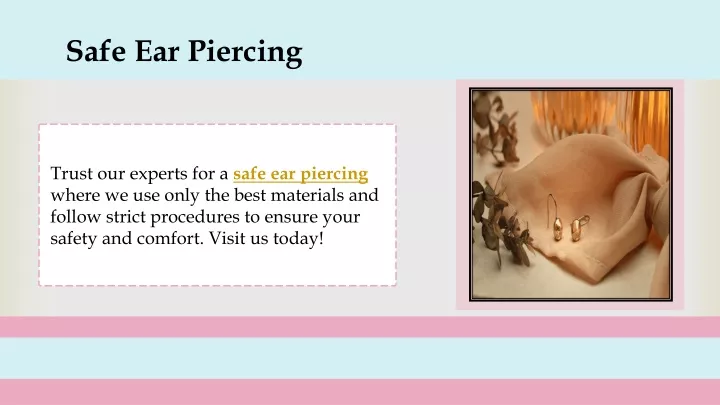
Not all metals are created equal, especially when placed inside a fresh wound. Putting cheap or mystery-metal jewelry into a brand-new piercing is a recipe for allergic reactions, prolonged healing times, and potential rejection. A safety-first studio will carry body jewelry made exclusively from biocompatible materials.
- Implant-Grade Titanium (ASTM F136): Lightweight, nickel-free, and highly durable, making it the gold standard for fresh piercings.
- Implant-Grade Stainless Steel (ASTM F138): Safe for many individuals, though those with severe nickel sensitivities should proceed with caution.
- Solid 14k or 18k Gold: Must be nickel-free and specifically manufactured for body piercing (avoid gold-plated or gold-filled options).
- Niobium: A hypoallergenic metal that can be anodized into various vibrant colors without chemical coatings.
The Piercing Procedure: What to Expect
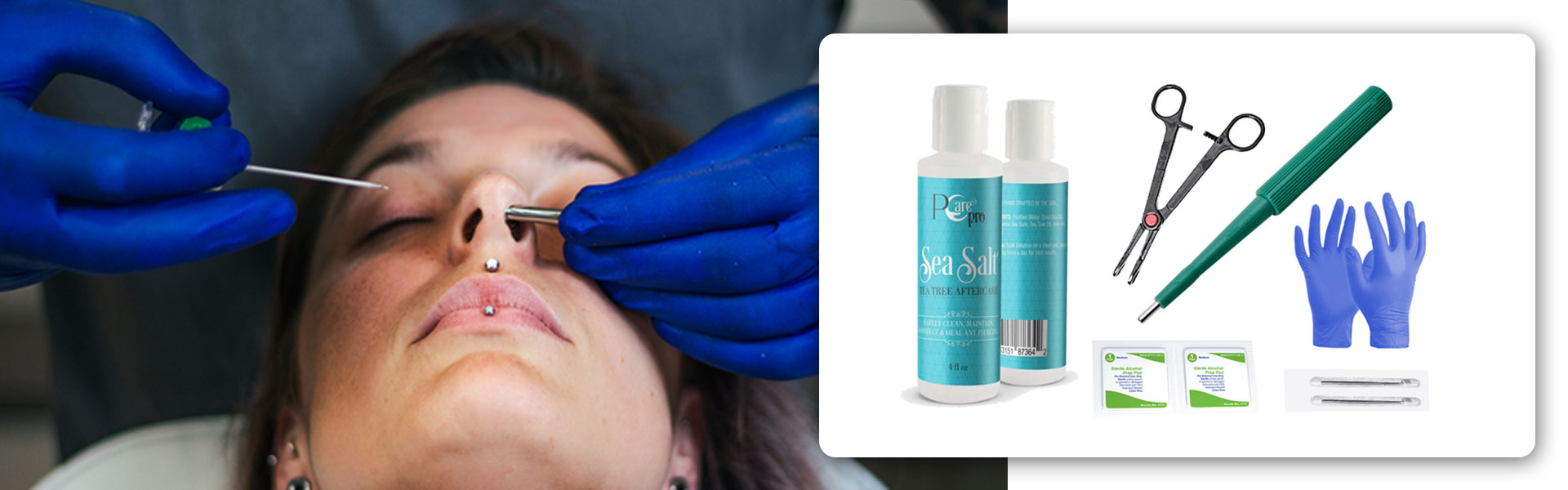
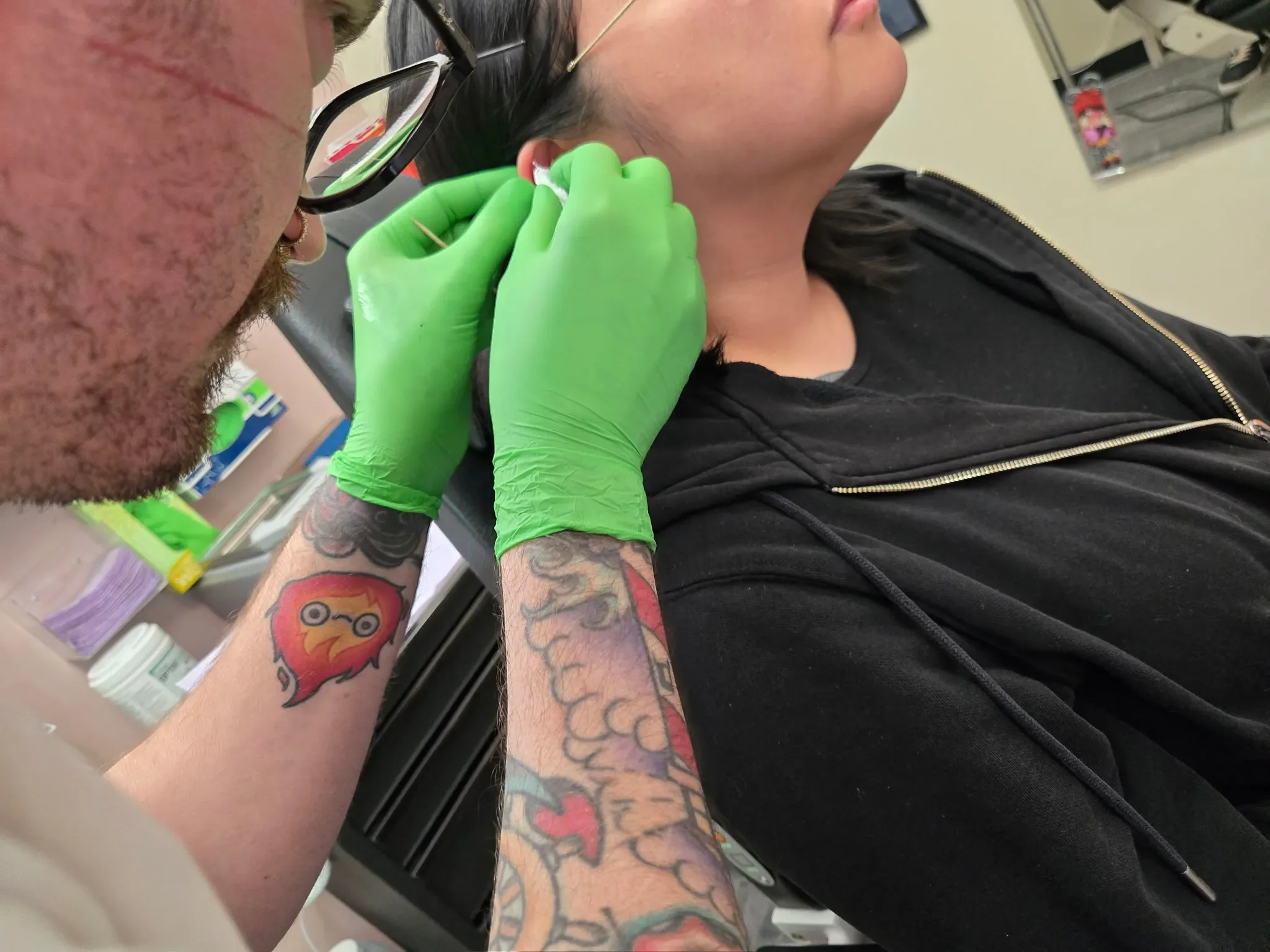
A professional practitioner will walk you through every step of the process before doing any actual work. The area must be thoroughly cleaned and prepped with an antiseptic skin cleanser. The piercer should use single-use surgical markers to map out the placement, allowing you to check the alignment in a mirror and approve it before the procedure begins.
Crucially, reputable piercers use hollow needles rather than piercing guns. Piercing guns rely on blunt force to push a stud through the tissue, causing unnecessary trauma, crushing cells, and significantly increasing the risk of severe tissue damage and infection. Furthermore, plastic or metal piercing guns cannot be fully sterilized in an autoclave, making them a major cross-contamination risk.
Proper Aftercare for Long-Term Health
Getting the modification done is only half the battle. How you care for it during the coming weeks and months dictates whether it heals successfully or develops complications. Neglecting aftercare can lead to irritation bumps, migration, or infection.
- Use Sterile Saline Solution: Clean the area twice a day using a sterile 0.9% sodium chloride wound wash. Avoid DIY salt mixtures, as incorrect ratios can dry out and irritate the healing tissue.
- Practice LITHA (Leave It The Hell Alone): Avoid twisting, turning, or playing with the jewelry. Excessive movement disrupts the delicate healing tissue forming inside the channel.
- Keep It Dry: Pat the area dry gently with a clean, disposable non-woven gauze after cleaning. Towels harbor bacteria.
- Avoid Submerging: Stay out of pools, hot tubs, lakes, and oceans until the wound is fully healed to prevent exposure to harmful bacteria.
Conclusion
Prioritizing your health when getting modified ensures that the end result looks fantastic and heals without complications. By researching local options, demanding high standards of cleanliness, insisting on biocompatible jewelry, and following a strict aftercare routine, you can enjoy your new look with total peace of mind.