Saginaw Property Taxes Explained: A Complete Guide
Navigating real estate ownership in mid-Michigan requires a firm grasp of local levies. For anyone buying a home or expanding a portfolio, having **Saginaw property taxes explained** is essential for accurate financial planning. Whether you are purchasing your first residence or evaluating a multi-family rental property, understanding how these taxes are assessed and billed will prevent unexpected budget shortfalls.

How Saginaw Property Taxes Are Calculated
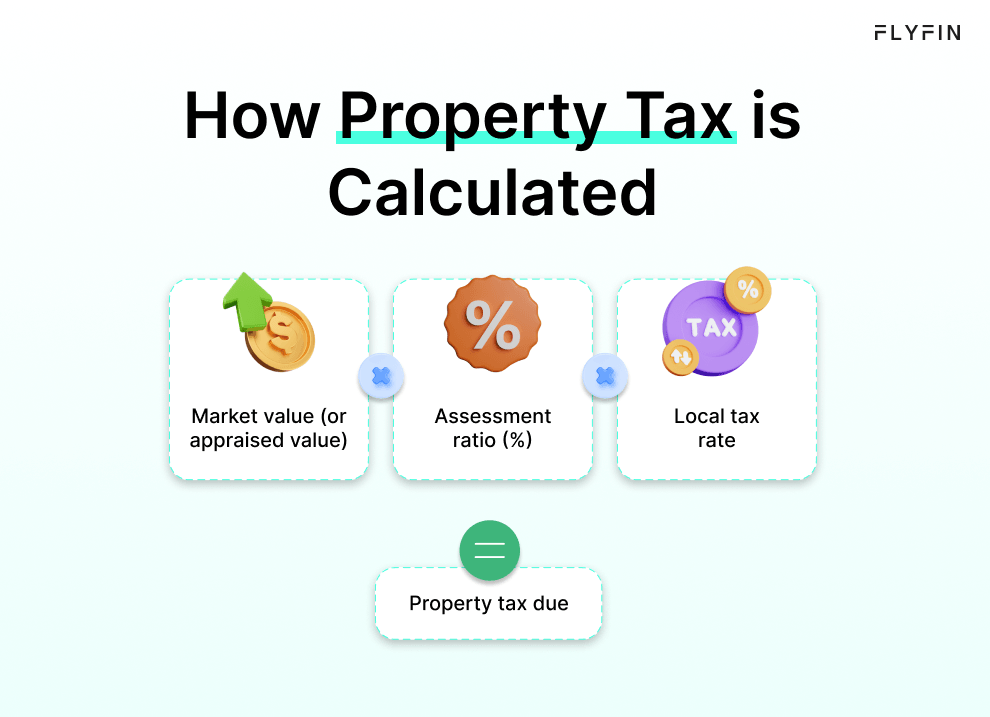
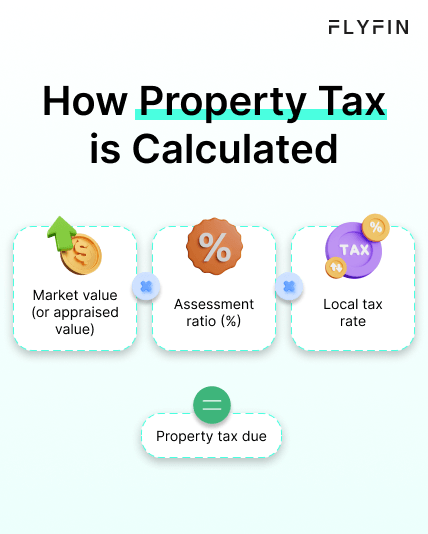
Property taxes in Saginaw are calculated based on two primary figures: the taxable value of the property and the total millage rate applicable to the specific taxing jurisdiction. Unlike some states where market value dictates your annual bill directly, Michigan uses a specific set of definitions that limit sudden, steep increases.
Assessed Value vs. State Equalized Value (SEV)
By Michigan law, the Assessed Value (AV) of a property is supposed to represent 50% of its true cash market value. The State Equalized Value (SEV) is simply the AV after it has been reviewed and adjusted by the county and state equalization processes. Ideally, your SEV equals half of what your property would sell for on the open market.
Taxable Value and Proposal A
The most important number on your tax bill is the Taxable Value (TV), because this is the figure multiplied by the millage rate to determine your actual tax bill. Thanks to Michigan's Proposal A, passed in 1994, a property's Taxable Value cannot increase by more than the rate of inflation or 5%, whichever is lower, as long as ownership does not change.
However, the moment a property is sold, its Taxable Value "uncaps" in the calendar year following the transfer of ownership. It resets to match the SEV. This is a critical detail for investors and homebuyers to remember: the low property taxes paid by the previous long-term owner will not carry over to you.
Understanding Millage Rates in Saginaw
A mill is a unit of tax measurement equal to $1 of tax for every $1,000 of taxable value. The total millage rate in Saginaw is a combination of levies from multiple local entities, including:
- The City of Saginaw (for municipal services, police, and fire)
- Saginaw County (for county government, courts, and infrastructure)
- Saginaw Public Schools or other local school districts
- Intermediate School Districts (ISD) and Delta College
Because these rates vary depending on the exact municipality, township, or school district your property sits in, two homes with identical market values just a few blocks apart can have noticeably different tax bills.
Exemptions and Relief Programs for Homeowners
Homeowners in Saginaw can significantly lower their annual tax burden by taking advantage of state and local exemptions.
Principal Residence Exemption (PRE)
Video: How to pay your property tax online in Saginaw County
The Principal Residence Exemption (PRE) is the most impactful tax saver for owner-occupants. If you own and occupy a home as your primary residence in Saginaw, you are generally exempt from paying the local school operating millage (which is typically around 18 mills). Filing for a PRE can slash your property tax bill nearly in half compared to a non-homestead property.
Poverty Exemptions and Senior Assistance
The City of Saginaw offers property tax relief for residents who meet specific low-income guidelines or face financial hardship. Additionally, disabled veterans and certain surviving spouses may qualify for property tax exemptions under Michigan law. Applications for these programs must be submitted annually to the Saginaw City Assessor's office.
Implications for Real Estate Investors
Real estate investors must analyze property taxes with a different lens than standard homebuyers. Because rental properties and secondary homes do not qualify for the Principal Residence Exemption, they are subject to non-homestead millage rates.
Key Investor Strategies
Factor in the Uncapping: Never rely on the current seller's tax history when calculating potential cash flow. Always estimate future taxes based on your purchase price, assuming the Taxable Value will reset to match the SEV in the following year.
Monitor Assessment Changes: Keep an eye on annual assessment notices. If the city assesses your commercial or multi-family property above fair market value, be prepared to file an appeal with the local Board of Review.
Factor Taxes into ROI: Higher-than-average millage rates in certain urban pockets can eat into rental yields. Ensure your pro forma accounts for these recurring operational expenses.
How and When to Pay Saginaw Property Taxes
Property taxes in Saginaw are typically billed in two installments:
- Summer Taxes: Billed on July 1st and payable through August 31st without penalty. These include city and school levies.
- Winter Taxes: Billed on December 1st and payable through February 14th of the following year. These include county and township or remaining municipal levies.
Payments can be made online via the City of Saginaw's official payment portal, by mail, or in person at City Hall. Failing to pay on time results in statutory interest and penalties, which accumulate monthly. If taxes remain delinquent for multiple years, the property may be subject to the Saginaw County Treasurer's tax foreclosure process.
Final Thoughts
Whether you are settling down in a historic neighborhood or building a portfolio of rental houses, staying informed about Saginaw property taxes ensures you won't be caught off guard by municipal assessments. Always verify current millage rates with the local assessor's office and account for the post-sale tax reset before closing on any deal.