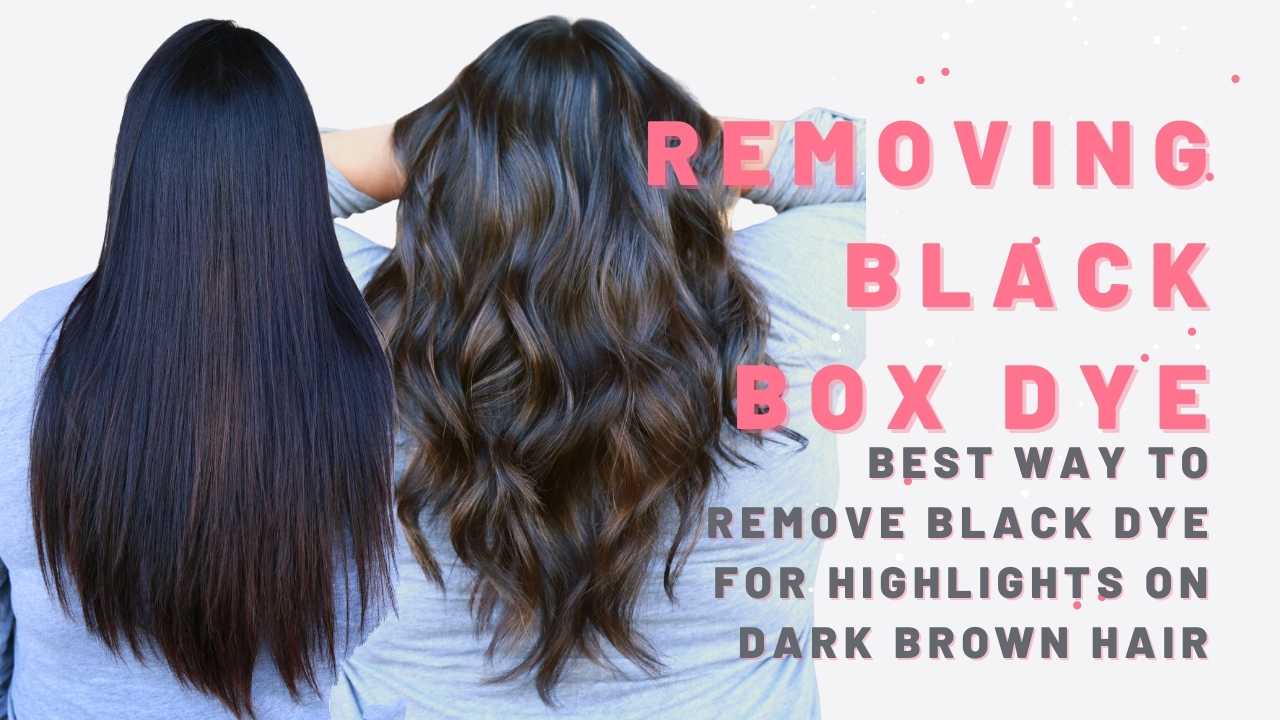
Sally Beauty Hair Dye: Can It Fix My Box Dye Disaster?
If you are currently staring into your bathroom mirror in panic, clutching a towel around your shoulders and asking yourself, “Sally Beauty hair dye: can it fix my box dye disaster? I tested it firsthand so you don't have to make another costly mistake.”

Like millions of DIYers, I fell into the trap of grabbing a convenient $9 supermarket box kit. The box promised a “cool medium ash brown.” The reality? An uneven, murky disaster featuring patchy greenish-black mid-lengths, glowing orange “hot roots,” and straw-like texture. Desperate to avoid a $400 salon color correction, I headed to Sally Beauty to see if their accessible, semi-professional inventory could salvage my hair.
Why Drugstore Box Dye Causes Disasters in the First Place
To fix a color mistake, you must understand why it happened. Drugstore box dyes are formulated as a blunt instrument. Manufacturers do not know if the customer applying the product has fine virgin blonde hair, coarse dark brown hair, or porous, chemically lightened strands.
Because the formula must work on everyone, drugstore kits typically contain:
- High-volume developers: Most include 30-volume or even 40-volume developer to ensure the color lifts dark hair. On previously lightened or fine hair, this blows open the cuticle, causing severe damage and rapid color grabbing.
- Progressive metallic dyes: Low-cost pigments stack up unevenly, causing porous ends to turn ink-dark while the natural scalp heat makes the roots bright and brassy.
- Zero customization: You cannot adjust the developer strength or counter-pigment ratios to balance your unique starting canvas.
The Sally Beauty Advantage: What Makes It Different?
Stepping into Sally Beauty is fundamentally different from shopping at a standard drugstore. Rather than all-in-one kits, Sally Beauty sells the components separately, mimicking a professional salon backbar:
- Stand-alone color lines: Brands like Wella Color Charm, Ion Color Brilliance, and Clairol Professional offer direct control over tone (ash, gold, neutral, red).
- Independent developers: You choose the exact strength (10, 20, 30, or 40 volume) or use dedicated processing lotions for deposit-only results.
- Demarcation between dye types: You can choose demi-permanent color (which deposits without lifting or damaging) instead of piling more harsh permanent color on stressed hair.
Sally Beauty Hair Dye: Can It Fix My Box Dye Disaster? I Tested It!
To test whether Sally Beauty products could realistically repair my botched shade, I followed a structured, low-damage correction protocol instead of simply slapping another dark dye over the mess.
Step 1: Assessing the Canvas
My starting disaster had three distinct problems:
- Level 7 orange-red roots caused by high developer lift.
- Level 4 muddy, over-saturated mid-lengths.
- Porous, compromised ends that pulled an unnatural charcoal hue.
Rule number one of color correction: Color does not lift color. Putting a lighter dye over dark, muddy patches will only brighten the roots and leave the dark areas untouched. I needed to gently strip the excess artificial pigment before applying any new shade.
Step 2: The Gentle Pigment Reset
Instead of reaching for bleach, I purchased Color Oops Extra Strength (available at Sally) and a packet of Ion Color Brilliance Clarifying Shampoo. Color reducers work by shrinking artificial dye molecules so they can be washed out of the hair shaft without lifting natural melanin.

After a 20-minute processing session and 20 minutes of continuous warm-water rinsing, the heavy, muddy charcoal tones were washed down the drain. What remained was a bright, raw, uneven Level 6/7 copper base. It wasn't pretty, but it was a blank, uniform canvas ready for balancing.
Step 3: Formulating the Fix with Sally Beauty Color
Because my hair had just been through box dye and a color remover, permanent dye was out of the question. More ammonia would have led to breakage. I opted for a gentle, deposit-only approach using:
- Dye: Wella Color Charm Demi-Permanent Hair Color in shade 6N (Dark Natural Blonde) mixed 1:1 with shade 6A (Dark Ash Blonde). The “A” (ash/blue-violet) neutralized the intense orange undertone, while the “N” (neutral) prevented the color from turning hollow or greenish.
- Developer: Wella Color Charm Activating Lotion (equivalent to a gentle 6-to-10-volume developer). This deposits color molecules deep into the open cuticle without creating any additional lift or background warmth.
- Add-in: Ion Absolute Perfection Booster (Step 1), a bond-building additive that protects structural hair integrity during processing.
Step 4: Zone-Targeted Application
A major flaw in at-home dyeing is applying product roots-to-ends all at once. I sectioned my damp hair into four quadrants:
- Applied the formula to the brightest brassy areas (my roots and mid-shaft) first, letting it process for 12 minutes.
- Pulled the remaining mixture through the fragile ends for the final 8 minutes to avoid over-darkening.
- Rinsed thoroughly with cool water and followed up with the Ion Absolute Perfection Color Sealer.
The Final Verdict: Did It Work?
The results far exceeded my expectations. The hot orange roots were completely neutralized into an expensive-looking, balanced light mushroom brown. The murky, ink-like banding was gone, replaced by even, dimensional reflection across the entire strand length.
Most importantly, my hair felt significantly healthier after the Sally demi-permanent formula than it did immediately following the box dye. The 10-volume activating lotion smoothed the cuticles rather than blowing them apart, leaving the hair shiny rather than brittle.
Essential Tips Before You Fix Your Own Box Dye
If you plan to run to Sally Beauty to rescue your hair, keep these guidelines in mind:
- Always switch to demi-permanent: Never apply another box of permanent dye over fresh color damage. Demi-permanent color deposits pigment without causing further structural degradation.
- Read the color wheel: If your disaster is orange, pick an ash (blue base). If it is yellow, pick violet. If it is red, pick green. Do not use ash over yellow hair, or you will end up with green strands.
- Do not skip strand tests: Mix one teaspoon of color with developer and test it on a hidden piece of hair behind your ear. This 15-minute check will show you precisely how your porous hair will react.
- Invest in a bond builder: Grab a bonding treatment (like Ion or Olaplex No. 3) to rebuild broken disulphide bonds before and after toning.
When to Skip DIY and Call a Professional
While Sally Beauty hair dye can fix tone issues, muddiness, and brassiness, it cannot solve every emergency. You should stop and book a salon specialist if:
- Your hair is breaking, snapping off, or feeling gummy when wet.
- You used jet-black box dye and want to become blonde (this requires complex, multi-stage bleach work).
- Your hair is severely striped or splotched with distinct zebra bands that require foil-precision isolation.
For tonal corrections, hot roots, and muddy pigment build-up, taking control of your developer and shade formulation at Sally Beauty is an effective, wallet-friendly rescue route.