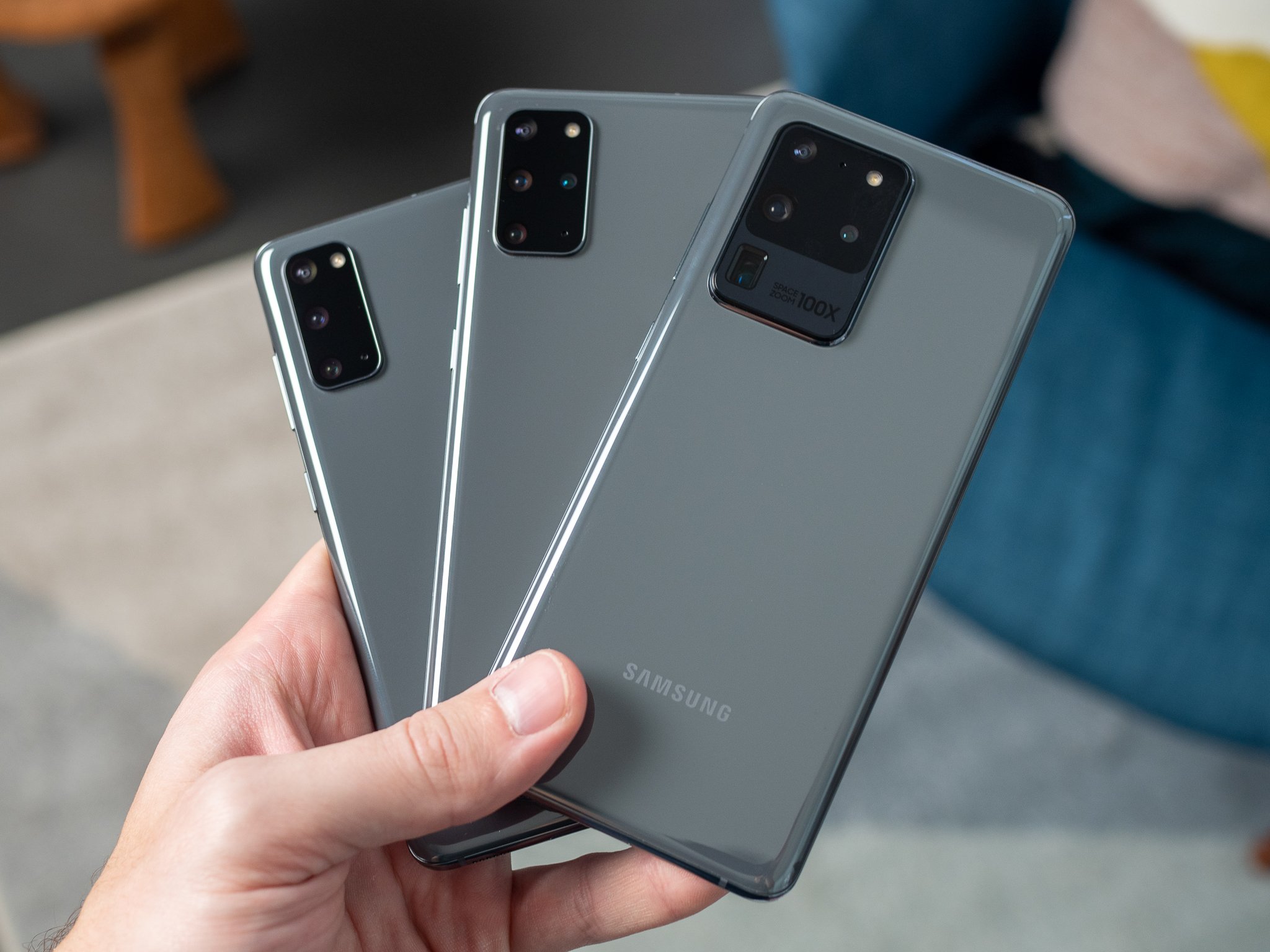
Samsung S20: Still Worth Buying?
Introduction to the Samsung S20 Family

When looking at older flagship devices, the samsung s20 samsung lineup remains a fascinating topic for budget-conscious tech enthusiasts. Released in early 2020, this series marked a significant shift in design, display technology, and camera capabilities for the South Korean giant. Even years after its initial debut, the base S20, S20+, and S20 Ultra offer compelling hardware that rivals many modern mid-range devices.
Choosing a pre-owned or refurbished flagship is often a smarter financial move than buying a brand-new budget phone. In this review, we break down how the Samsung S20 series holds up today in terms of design, performance, camera quality, and software support.
Design and Display Quality
One area where Samsung flagships rarely disappoint is the display, and the Samsung S20 is no exception. It features a Dynamic AMOLED 2X panel that delivers vibrant colors, deep blacks, and exceptional brightness levels.
The 120Hz Refresh Rate Advantage
The standout feature of the S20 display is its smooth 120Hz refresh rate. While this technology is now standard on almost every smartphone, experiencing it on the S20 makes scrolling through social media, browsing the web, and playing games feel remarkably fluid. Note that to use this high refresh rate, you must drop the screen resolution from QHD+ down to FHD+, a compromise most users find well worth the trade-off for smoother visuals.
Build and Ergonomics
Unlike the boxier designs of the newer S-series models, the Samsung S20 features gently curved glass on both the front and back, seamlessly blending into an aluminum frame. The base S20 is notably compact and lightweight compared to modern giant phones, making it a dream to use with one hand.
Performance and Hardware Specs
Under the hood, the Samsung S20 series packs serious hardware, though performance varies slightly depending on your region.
- Processor: Snapdragon 865 (USA/China) or Exynos 990 (Global)
- RAM: 8GB (Base S20) up to 12GB/16GB (S20 Ultra)
- Storage: 128GB internal storage with microSD card expansion up to 1TB
- Connectivity: 5G capability across all models
While the Snapdragon 865 handles multitasking, heavy apps, and casual gaming with ease, the Exynos 990 version tends to run slightly warmer and offers lesser battery efficiency. If you are buying a used S20 today, try to source a Snapdragon variant if battery life is your top priority.
Crucially, the S20 series brought back expandable storage via a microSD card slot—a feature that Samsung completely abandoned in later generations. For media hoarders, this makes the S20 uniquely appealing.
Camera Capabilities
The camera module on the Samsung S20 series introduced massive sensors and high-resolution shooting modes, though it has distinct strengths and weaknesses by today's standards.
Main and Ultra-Wide Lenses

The 12-megapixel main sensor on the base S20 and S20+ captures crisp, vibrant images with excellent dynamic range. Colors are punchy, leaning into Samsung's signature saturated aesthetic that pops on social media. The 12-megapixel ultra-wide lens maintains good color consistency with the main camera, though edges can look slightly soft in low-light conditions.
The Telephoto and Zoom Debate
The S20 and S20+ utilize a high-resolution sensor to crop in for hybrid zoom rather than using a dedicated optical telephoto periscope lens. While results up to 3x are sharp, pushing past that yields diminishing returns. The S20 Ultra, on the other hand, features a massive 108MP main camera and a 48MP periscope telephoto lens capable of 100x "Space Zoom," though images past 10x can look heavily processed.
For video, the entire lineup supports up to 8K recording at 24fps, though 4K at 60fps remains the practical sweet spot for smooth, detailed footage with reliable stabilization.
Battery Life and Charging
Battery longevity is often the biggest concern when purchasing an older smartphone. The standard Samsung S20 houses a 4,000 mAh battery, which was adequate at launch but faces challenges when powering a 120Hz display all day.
Base S20: Expect around 4.5 to 5 hours of screen-on time with mixed usage at 120Hz.
S20+ and S20 Ultra: Equipped with 4,500 mAh and 5,000 mAh batteries respectively, offering slightly better endurance.
If you purchase a used unit, the battery health may have degraded. Fortunately, replacing a smartphone battery is relatively inexpensive at a repair shop if you find the daily endurance lacking.
Software Support and Longevity
Software longevity is critical when evaluating older devices. Samsung originally launched the S20 with Android 10 and has since fulfilled its promise of major OS upgrades, topping out at Android 13 with One UI 5.1.
While the S20 will no longer receive major Android version updates, it continues to receive critical security patches. For most everyday apps—banking, messaging, streaming, and social media—the phone will remain fully compatible and secure for the foreseeable future.
Final Verdict: Should You Buy One?
The Samsung S20 series represents incredible value on the used and refurbished market today. For a fraction of its original launch price, you get a premium glass-and-metal build, a stunning 120Hz AMOLED display, capable cameras, and the rare perk of expandable storage.
If you need a reliable daily driver that punches well above its current price point, the Samsung S20 remains a smart, budget-friendly investment.