San Antonio Wine Storage: Options & Climate Guide
Understanding San Antonio Wine Storage Challenges

Collecting wine in South Texas comes with a unique set of environmental hurdles. With blistering summer temperatures often exceeding 100°F and high relative humidity swings, storing fine wine at ambient indoor temperatures is a recipe for spoiled bottles. When wine is exposed to heat spikes, the liquid expands, pushes past the cork, and undergoes rapid, undesirable oxidation. For collectors in the Alamo City, finding reliable San Antonio wine storage solutions isn't just a luxury—it is a necessity for preserving the integrity and value of their investment.
Whether you are housing a modest dozen-bottle collection of Texas Hill Country varietals or managing a massive portfolio of Bordeaux and Napa Valley cult cabernets, maintaining a stable environment is critical. The ideal conditions for wine storage require a consistent temperature of 55°F (13°C) and a relative humidity level between 60% and 70%. Achieving these conditions in a standard San Antonio garage or spare closet simply isn't possible without dedicated climate control.
Professional Wine Storage Facilities in San Antonio
When your home collection outgrows your kitchen wine fridge or spare room, off-site commercial storage becomes the most secure and reliable option. Several dedicated facilities and high-end self-storage locations in the area cater specifically to wine enthusiasts.
Key Features to Look For in a Facility
Not all climate-controlled spaces are created equal. When touring commercial San Antonio wine storage facilities, you should evaluate several non-negotiable criteria:
- True Climate Control: Ensure the facility maintains a strict 55°F to 58°F year-round, not just standard air conditioning that fluctuates with outdoor weather.
- Backup Power Generators: San Antonio is prone to severe thunderstorms, grid strain during peak summer, and occasional winter freezes. A robust backup generator ensures your wine remains cool during power outages.
- Security Measures: Look for 24/7 video surveillance, electronic gate access, individual unit alarms, and secure locking mechanisms.
- Vibration Reduction: Wine bottles should rest undisturbed. Facilities located near heavy industrial zones or busy highways can suffer from constant micro-vibrations that disturb the sediment in aging wines.
- Insurance and Liability: Verify whether the facility offers specialized insurance coverage for high-value collectible wine portfolios.
Types of Commercial Options Available
Depending on your budget and collection size, you generally have two choices for commercial storage:
- Full-Service Wine Vaults: These are upscale, climate-controlled warehouses run by wine professionals. They often feature private lockers, walk-in custom cellars, inventory management software, and on-site receiving services so you can ship purchases directly to the facility.
- Climate-Controlled Self-Storage: Many traditional self-storage operators in San Antonio offer small, climate-controlled units suitable for wine racks. While generally more affordable, you are responsible for providing your own racking, temperature monitoring, and security oversight.
Building a Home Wine Cellar in South Texas

If you prefer to keep your bottles close at hand, constructing a custom home cellar or investing in a high-end cabinet is a rewarding alternative to off-site storage. However, building a cellar in South Texas requires careful architectural planning to combat thermal bridging and moisture intrusion.
Insulation and Vapor Barriers
The biggest enemy of a home wine cellar in San Antonio is the extreme temperature differential between the inside of the cellar (55°F) and the unconditioned attic or exterior wall (95°F+). Proper construction requires:
- Closed-cell spray foam insulation to provide a high R-value and act as an air barrier.
- A continuous vapor barrier installed on the warm side of the walls to prevent condensation from forming inside the wall cavities, which leads to mold and structural rot.
- Dual-pane, thermally broken glass doors if you want a visible display cellar. Standard glass will sweat and fail quickly in this climate.
Choosing the Right Cooling Unit
Standard household air conditioners cannot handle wine cellars because they cool too quickly and pull too much humidity out of the air, drying out natural corks. You must install a specialized cellar cooling system (such as systems from WhisperKOOL, CellarCool, or Breezaire) designed to maintain precise humidity and temperature balances.
Evaluating Standalone Wine Fridges
For most collectors living in apartments or homes without space for a built-in cellar, a freestanding or built-in wine refrigerator is the most practical San Antonio wine storage solution. When shopping for a wine fridge, consider the following:
- Compressor vs. Thermoelectric: Thermoelectric coolers are quiet and vibration-free, but they struggle to maintain internal temperatures when the ambient room temperature rises above 80°F. In San Antonio homes, a compressor-based wine fridge is almost always the safer choice.
- Dual-Zone Capacity: If you enjoy both reds and whites, a dual-zone fridge allows you to store reds at a steady 55°F while keeping whites chilled and ready to pour at 45°F–50°F.
- Capacity Buffer: Always buy a fridge that holds 25% more bottles than your current collection. Bottle shapes vary widely (Burgundy vs. Bordeaux bottles), and your collection naturally tends to grow over time.
Best Practices for Long-Term Wine Preservation
No matter where you choose to house your bottles, adhering to core preservation principles ensures your wine peaks gracefully:
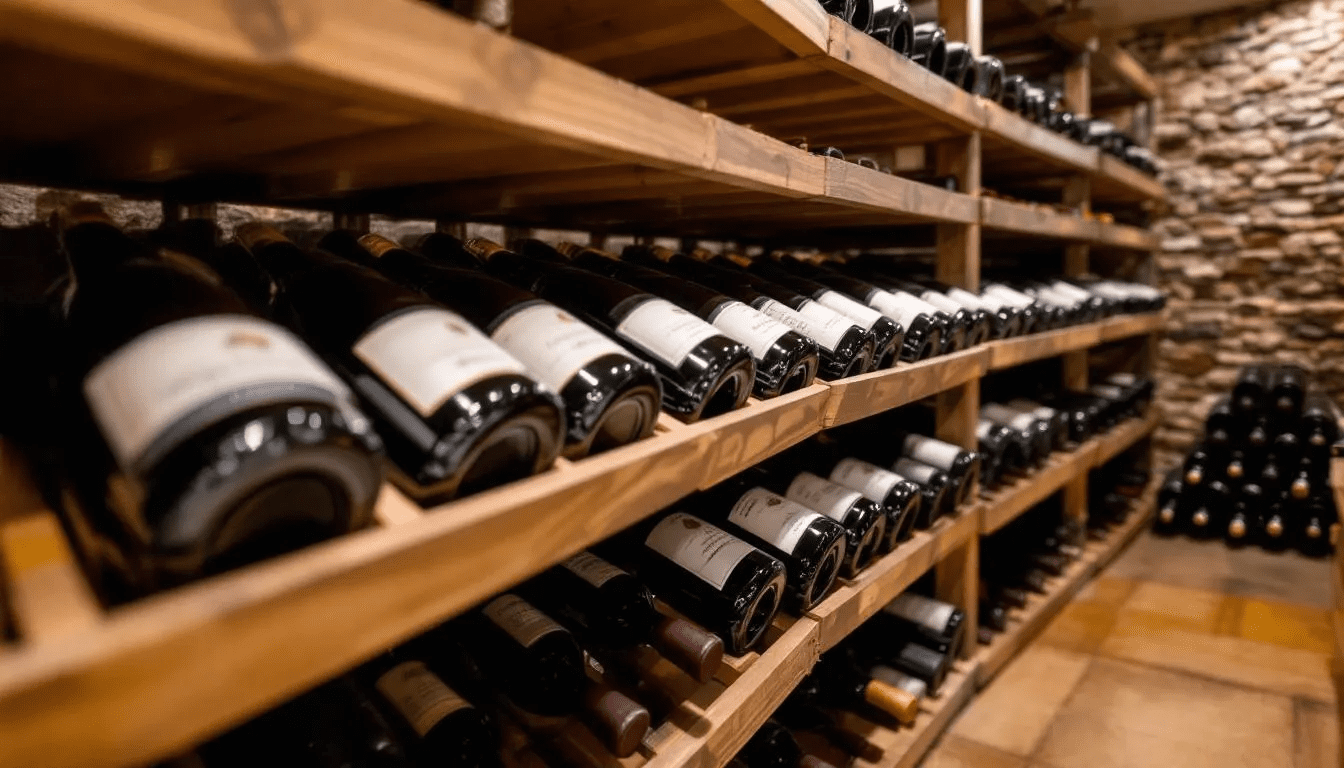
- Keep Bottles Horizontal: This keeps the wine in constant contact with the natural cork, preventing it from drying out and letting oxygen ruin the vintage.
- Minimize Light Exposure: UV rays from sunlight and harsh fluorescent interior lights degrade organic compounds in wine, causing premature aging and off-flavors. Store bottles in dark conditions.
- Avoid Movement: Moving bottles frequently disrupts sediment and agitates the chemical structure of aging wines. Let them rest undisturbed until you are ready to pull the cork.
Whether you choose a commercial vault, a custom home build, or a high-capacity dual-zone refrigerator, investing in proper San Antonio wine storage protects your palate and your wallet for years to come.