Satilla River Property for Sale: Buyer's Guide
Finding the right Satilla River property for sale offers a unique opportunity to own a piece of Southeast Georgia's untouched natural beauty. Known as one of the longest blackwater rivers in the United States, the Satilla flows entirely within the state of Georgia, stretching from the Okefenokee Swamp down to the Atlantic Ocean near Brunswick. Whether you are searching for a secluded hunting tract, a weekend fishing cabin, or a permanent homestead, the real estate market along this winding river has something distinct to offer.

However, buying rural waterfront property requires careful research. Unlike standard suburban real estate, riverfront land involves specific environmental considerations, zoning laws, and access challenges. This guide breaks down everything you need to know to navigate the Satilla River real estate market successfully.
Understanding the Satilla River Region
The Satilla River basin spans several counties, including Ware, Pierce, Brantley, Wayne, and Camden. Each county brings its own flavor, community size, and tax structure. Generally, as you move closer to the coast in Camden and Glynn counties, property prices tend to rise due to proximity to coastal amenities and saltwater access. Further upstream in Ware or Pierce counties, you will find larger acreage tracts, heavy timberland, and lower price-per-acre averages.
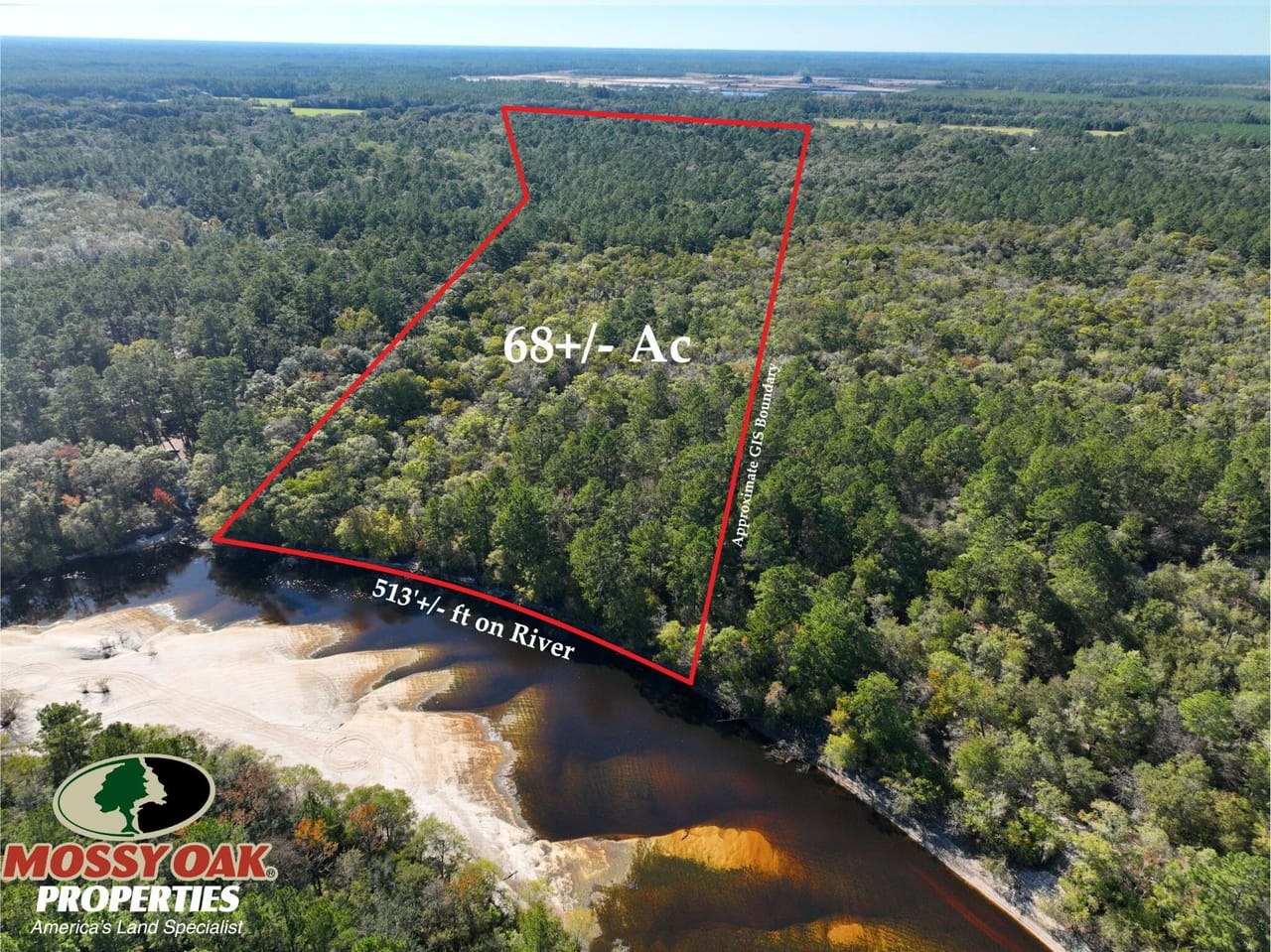
The river itself is famous for its tannin-stained, tea-colored water, sandy white-water bends (locally known as "white sandbars"), and exceptional redbreast sunfish and largemouth bass fishing. Properties here often come with private river frontage, making them a haven for anglers, kayakers, and wildlife enthusiasts.
Types of Satilla River Property for Sale
When browsing listings, you will generally encounter three main categories of real estate along the river:
- Riverfront Cabins and Homes: These properties range from rustic fishing shacks on stilts to modern custom-built brick homes. Many feature private docks, screened porches to keep out summer insects, and elevated designs to accommodate seasonal water level fluctuations.
- Vacant Acreage and Timberland: Ideal for buyers wanting to build a custom home or establish a hunting camp. These tracts often feature a mix of pine plantation and bottomland hardwoods.
- Agricultural and Equestrian Land: Larger parcels further from the main river channel that offer pasture space, barns, and outbuildings alongside creek or river frontage.
Key Factors to Check Before Making an Offer
Buying land along a blackwater river is vastly different from buying a city lot. Before you sign a purchase agreement, make sure you and your real estate agent thoroughly investigate the following critical factors:
1. Flood Zones and Elevation
Because the Satilla River drains a massive watershed, it is prone to seasonal flooding, particularly during heavy tropical weather systems moving up from the Atlantic or Gulf. Always check the FEMA flood map for the specific parcel you are considering.
- Look for properties located in Zone X (minimal flood hazard) or ensure that existing structures sit well above the base flood elevation (BFE).
- Ask local residents about historical high-water marks. Sometimes, a high bluff provides a safe, dry building site while the lower portion of the property acts as a natural floodplain.

2. Water Access and Navigation
Not all riverfront property is created equal. Depending on where you look, the riverbank may be a high sandy bluff or a swampy bottomland.
- High Bluffs: Provide stunning elevated views and stable building sites, but may require a long, engineered ramp or stairs to reach the water.
- Low-Bank Frontage: Offers easy access to the water's edge, but may flood more frequently.
- Dock Permits: Check with the Georgia Department of Natural Resources (DNR) and local county regulations regarding riparian rights and whether you can legally build a private dock or boat slip.
3. Utilities and Infrastructure
Many parcels of land for sale along the Satilla River are located in remote, rural areas. You must verify what utilities are readily available to the site:
- Power: Grid electricity may not run all the way down remote timber roads. Extending power lines can be costly.
- Water and Sewer: Municipal water and sewer are rarely available this close to the river. You will likely need to drill a private well and install an approved septic system (which requires a perc test).
- Road Access: Ensure the property has legal, deeded access via a county-maintained road or a well-maintained private easement. Some timber roads become nearly impassable during the rainy season without four-wheel drive.
Tips for Finding the Right Listing
Because properties along the Satilla River do not always hit the market in high volumes, patience is key. Working with a local land specialist or real estate agent who specifically understands rural Southeast Georgia can give you a distinct advantage. They often know about pocket listings or upcoming tracts before they are widely advertised online.
When you spot a promising listing, visit it during different weather conditions if possible. Walking the timber after a heavy rain will quickly reveal drainage issues, wet-weather creeks, and low spots that satellite imagery might miss.
Conclusion
Investing in Satilla River property for sale gives you a front-row seat to one of Georgia's most scenic and ecologically rich waterways. By doing your due diligence regarding flood zones, water access, and local zoning laws, you can secure a peaceful riverfront retreat or a valuable land investment that your family can enjoy for generations.