Saving Money with 1980 Septic Designs
When buying an older home or maintaining a rural property, encountering a wastewater system from decades past is common. While modern high-tech septic systems feature aeration pumps, computer monitors, and complex filtration media, many homeowners are actually saving money with 1980 septic designs. These older systems, typically relying on gravity and basic concrete tanks, offer a masterclass in durability and low-cost upkeep.

Understanding the engineering behind these classic systems helps you avoid unnecessary upgrades and expensive contractor upsells. By respecting how a 1980-era drain field and tank operate, you can extend the lifespan of your infrastructure for decades.
The Core Mechanics of 1980s Septic Systems
The 1980s marked a transition period in on-site wastewater management. While environmental regulations were tightening, the technology remained largely mechanical and passive rather than electrical. Most residential installations from this era relied on simple, robust principles.
Gravity-Fed Distribution
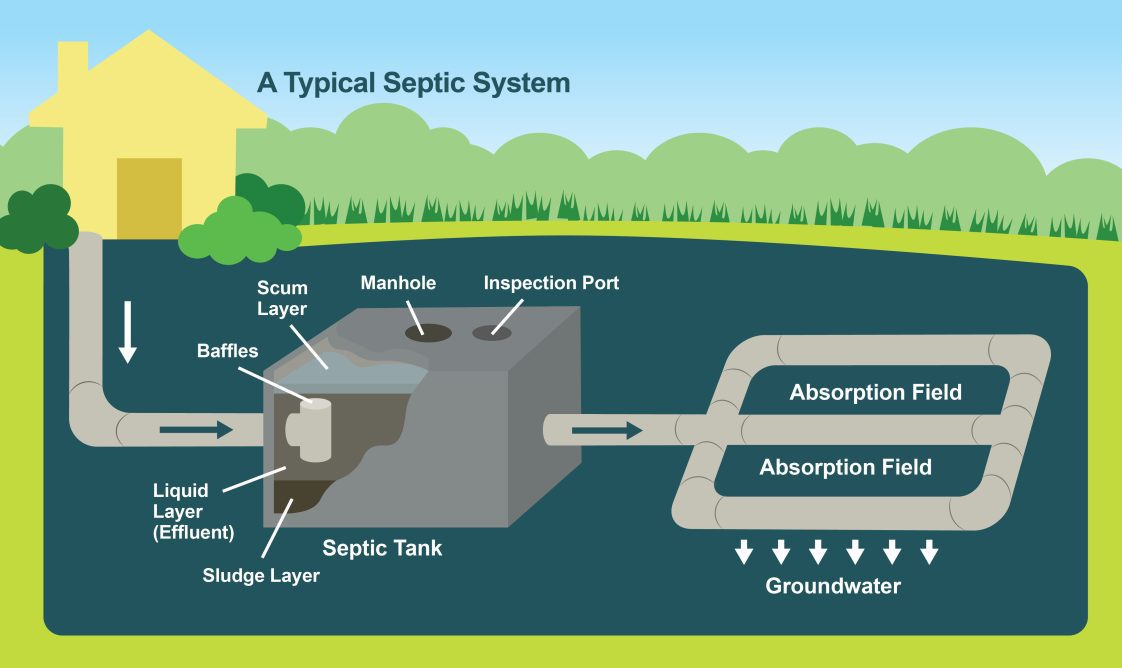
Unlike modern systems that often require electric effluent pumps to push wastewater uphill or across large drain fields, 1980 septic designs relied almost entirely on gravity. Wastewater flowed from the house into a primary tank, and the liquid effluent naturally flowed out into the absorption trenches.
The financial benefit of a gravity-fed system is immediate: zero electricity costs and fewer moving parts to break down. There are no float switches, control panels, or submersible pumps to replace every five to seven years.
Single or Dual Concrete Tanks
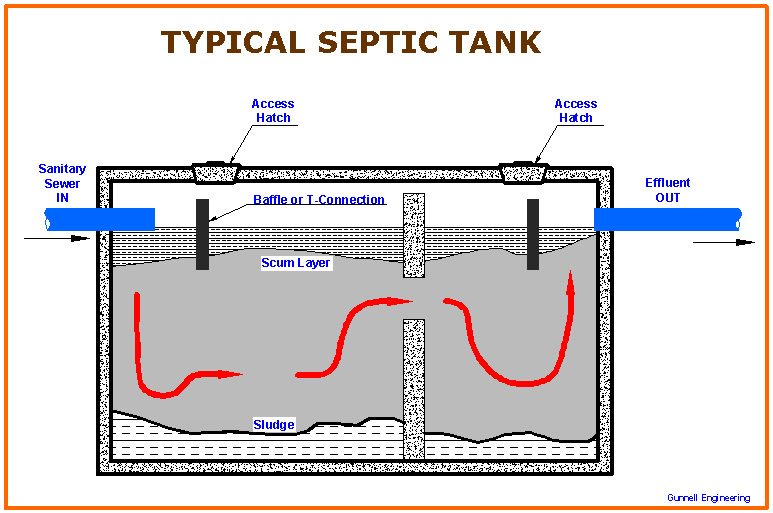
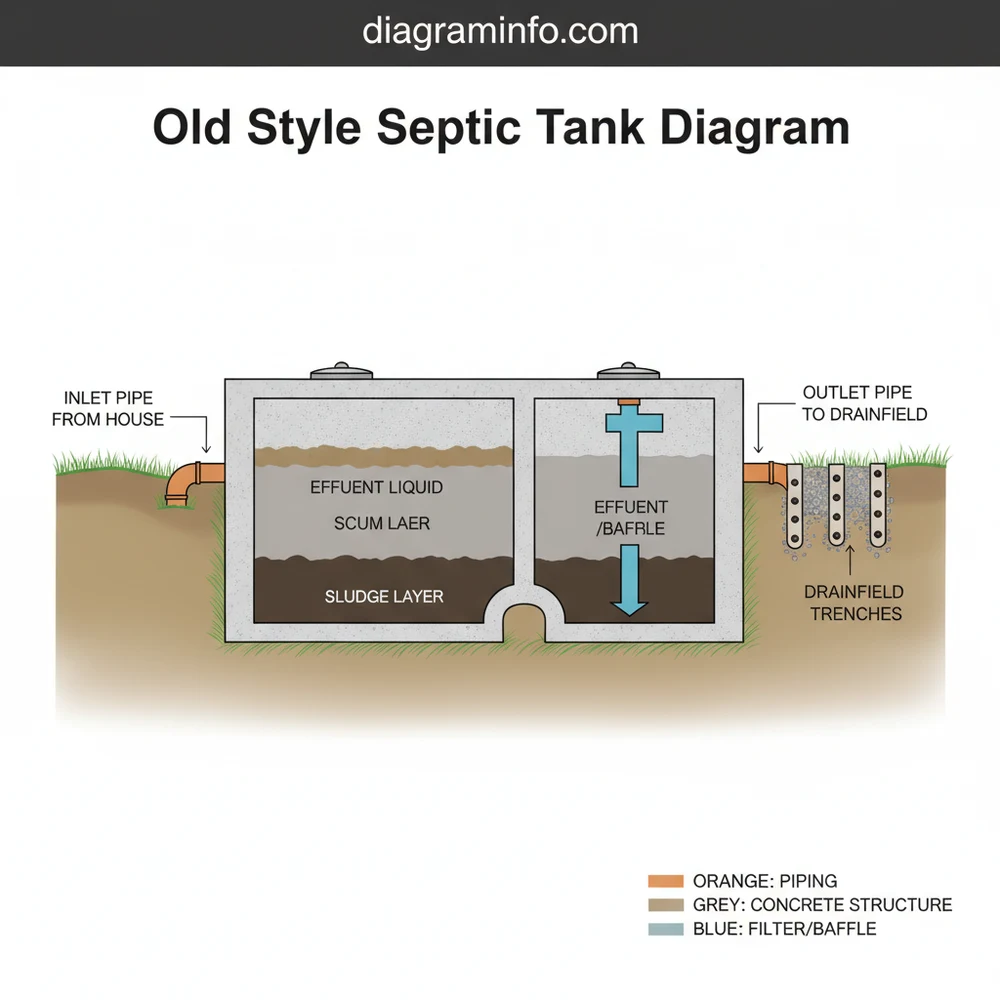
During this decade, precast concrete tanks became the industry standard. While steel tanks rusted out quickly, well-made concrete tanks from the 1980s often last 40 to 50 years if manufactured correctly. Many of these systems feature a single compartment with a sanitary tee or, in slightly later 1980s designs, a two-compartment setup that better traps scum and sludge before they reach the drain field.
Why Older Designs Lower Long-Term Costs
Modern advanced treatment units (ATUs) come with steep price tags—often costing upwards of $15,000 to $25,000 to install, plus mandatory annual service contracts. In contrast, keeping a vintage gravity system operational keeps your hard-earned cash in your pocket.
- Lower Installation and Replacement Costs: If your tank ever does need replacement, swapping a basic concrete box is significantly cheaper than replacing a computerized commercial-grade system.
- No Proprietary Parts: Modern systems often require brand-specific replacement parts. 1980 designs use standard PVC piping, concrete risers, and universal baffles that any local plumber or septic technician can service cheaply.
- Fewer Points of Failure: With no mechanical aerators, UV disinfection lamps, or alarms, there are simply fewer components that can fail and require emergency service calls.
Maintenance Strategies for Vintage Systems
Video: SEPTIC TANK SUPERBUGS How To Make Them and Save THOUSANDS of Dollars in Pumping & Repairs
To keep your legacy system functioning efficiently and avoid catastrophic failures, you must practice disciplined preventive maintenance. Older systems are durable, but they are also less forgiving of abuse.
Routine Pumping Schedule
The golden rule for any septic system is regular pumping. For a 1980 design, schedule a tank pumping every three to five years, depending on your household size. Because older drain fields often lack the advanced filtering found in modern geocomposite trenches, preventing suspended solids from escaping the tank is critical to saving money and protecting your leach field.
Protecting the Drain Field
The drain field is the most expensive part of your septic infrastructure to replace. With a 1980s system, you must protect the absorption area rigorously:
- Never park vehicles, trailers, or heavy equipment over the drain field, as the weight can crush vintage distribution pipes or compact the soil.
- Keep trees and large shrubs at least 15 feet away to prevent root intrusion from destroying the perforated pipes.
- Diversify water usage throughout the week rather than doing all laundry on a single Saturday, which can hydraulically overload an older absorption area.
Managing Household Chemicals
Many 1980 systems feature smaller tank capacities than modern code requires for the same size house. Consequently, they are more sensitive to harsh chemical loads. Avoid pouring bleach, antibacterial cleaners, paint thinners, or excessive grease down the drains. These substances kill the beneficial anaerobic bacteria inside the tank, leading to accelerated sludge buildup and premature drain field clogging.
Knowing When to Repair vs. Replace
Even the sturdiest systems eventually age out. However, contractors sometimes exploit homeowners by recommending a total system replacement when a minor fix will suffice.
If you notice slow drains, minor odors, or damp spots over the drain field, do not automatically assume you need a $20,000 overhaul. Often, a 1980 septic design can be salvaged by simply installing modern effluent filters in the outlet baffle, jetting the distribution lines, or professional soil fracturing. Always get a second opinion from an independent inspector who does not stand to profit from selling you a new installation.
Conclusion
Living with vintage wastewater infrastructure does not mean dealing with constant headaches. By appreciating the simplicity of 1980 septic designs, practicing smart water conservation, and committing to routine pumping, you can enjoy reliable waste disposal while keeping maintenance costs exceptionally low.