Saving Time with Math Reflections Works
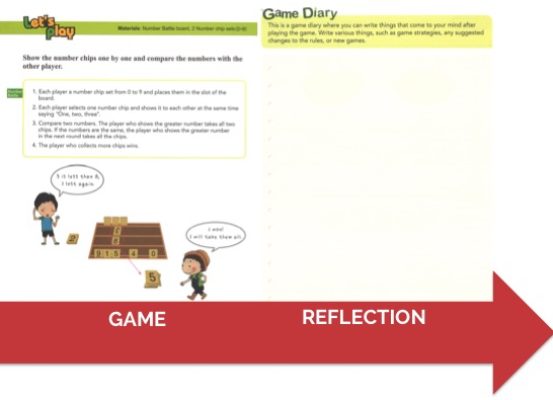
Every minute counts in a modern classroom or homeschool environment. Teachers and parents constantly search for ways to maximize instructional hours without burning out. One of the most effective yet underutilized strategies for reclaiming those precious minutes is the intentional use of metacognitive writing. Specifically, saving time with math reflections works by shifting the cognitive load from the educator to the learner, fostering independence, and streamlining the assessment process.

The Power of Metacognition in Mathematics
Mathematics is often taught as a series of rigid procedures: memorize the formula, plug in the numbers, and output the answer. However, true mathematical fluency involves understanding why a procedure works and knowing what to do when an answer looks wrong. Metacognition—thinking about thinking—bridges the gap between rote memorization and deep comprehension.
When students write brief reflections about their problem-solving process, they process their mistakes before the teacher even grades the paper. Instead of red-inked corrections that students frequently ignore, reflection prompts encourage learners to spot their own misconceptions. This self-correction loop reduces repetitive instructional interventions.
How Saving Time with Math Reflections Works in Practice
Implementing reflection routines does not mean adding a massive, time-consuming essay to every math assignment. In fact, keeping reflections brief is the key to their efficiency. Here is how the process typically unfolds in an optimized learning environment:
- Targeted Prompting: Give students one or two focused questions at the end of a problem set or unit.
- Brief Writing Window: Allocate just three to five minutes of quiet writing time before submission.
- Rapid Formative Assessment: Review the reflections quickly to gauge whole-class understanding rather than grading every individual calculation line by line.
By focusing on the student's explanation of their methodology, educators can instantly identify whether a mistake stems from a careless arithmetic error or a fundamental misunderstanding of the core mathematical concept.
Streamlining Grading and Feedback
Grading piles of math homework is notoriously tedious. Checking dozens of multi-step equations to find where a single negative sign went wrong drains hours of teacher preparation time. Math reflections change this dynamic entirely.
When students are required to write a sentence or two explaining how they solved a complex problem, teachers can skim the reflection to verify conceptual mastery. If the student articulates the correct strategy clearly, minor computational errors can be addressed collectively or noted quickly, cutting down the time spent writing marginal notes on individual papers.
Practical Strategies for Busy Educators and Parents

To reap the time-saving benefits of math reflections, structure is essential. Without clear guidelines, students might write vague statements like "I just did the math." Use these actionable strategies to ensure meaningful and efficient implementation:
Use Sentence Stems
Staring at a blank page wastes valuable minutes. Provide quick sentence starters that guide student thinking while keeping responses concise:
- "The trickiest part of this problem was..."
- "I knew to use this formula because..."
- "If I changed this number, the result would be different because..."
Digital Integration
Leveraging digital tools can accelerate the reflection process even further. Audio or video reflections allow students to record a 30-second explanation of their problem-solving steps. Many educators find that listening to a quick voice clip is faster than deciphering handwritten explanations, and it encourages more natural, conversational articulation of mathematical concepts.
Long-Term Benefits Beyond Time Management
While the immediate appeal is efficiency, the long-term dividends of this practice are profound. Students who routinely reflect on their work develop greater resilience. They stop viewing errors as failures and start seeing them as data points in an ongoing learning process.
Furthermore, this practice builds strong communication skills. Standardized tests increasingly require students to explain their reasoning in written form. By practicing concise mathematical writing daily, learners build the stamina and vocabulary needed to excel on high-stakes assessments without requiring separate, time-consuming test-prep modules.
Conclusion
Optimizing daily routines is vital for sustainable teaching and learning. By shifting some of the analytical burden back to the student through structured writing, you can cut down on grading fatigue, target interventions more accurately, and foster genuine mathematical thinkers. Embracing this approach proves that slowing down for just a few minutes of metacognition is ultimately the fastest route to true mastery.