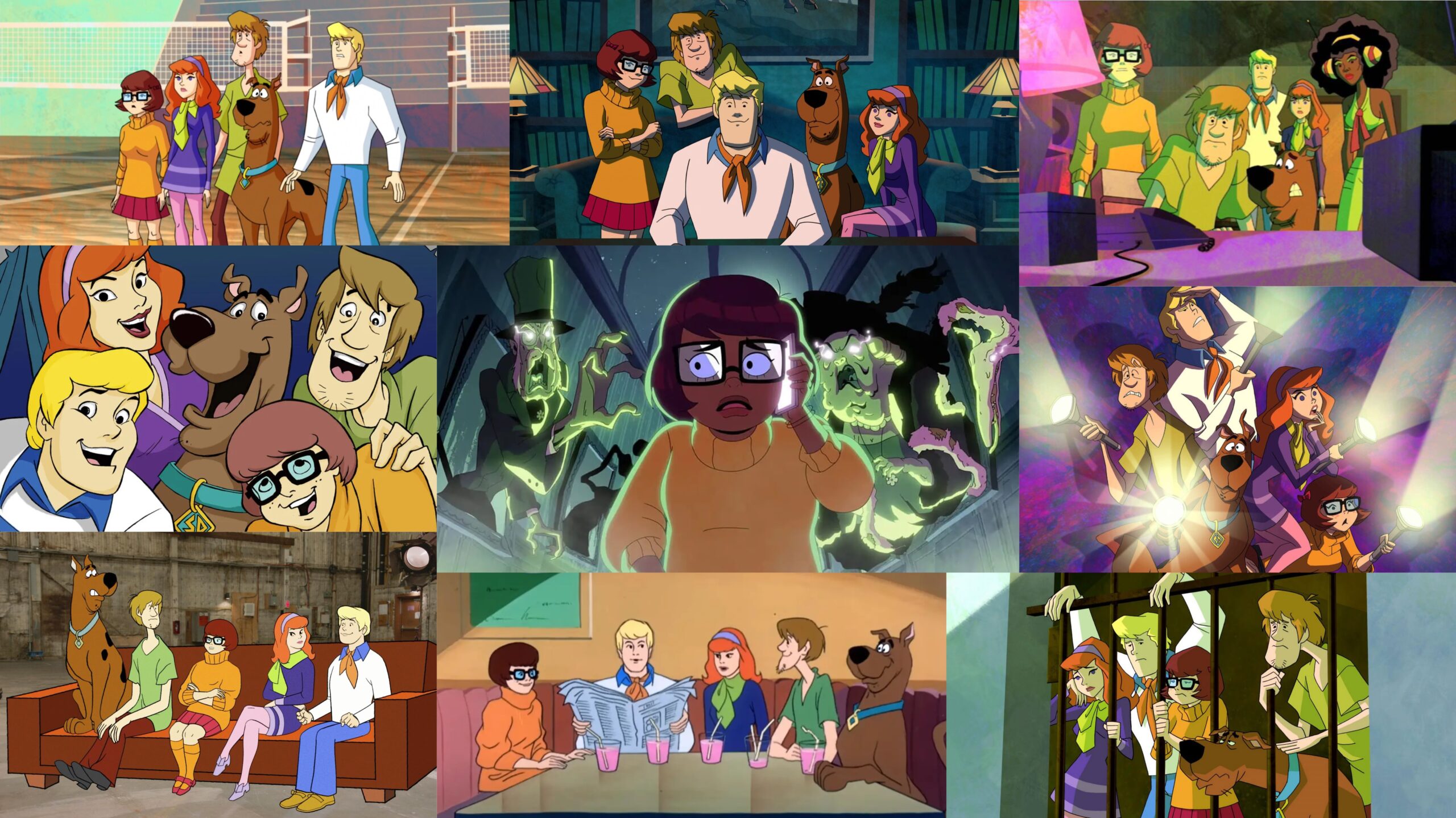
Scooby Doo Shocked: The Genius Behind the Fear
Few moments in television history are as universally recognizable as the sight of a Great Dane and his gangly human best friend leaping into each other's arms, eyes bulging, knees knocking, and teeth chattering like castanets. When looking back at Scooby Doo Shocked: The Creative Genius That Made the Mystery Machine Freeze in Fear!, one discovers that this was far more than cheap Saturday morning slapstick. It was a carefully orchestrated masterclass in gothic atmosphere, character staging, and psychological release that redefined animated television.

Premiering on CBS in September 1969, Scooby-Doo, Where Are You! arrived during a fraught cultural moment. Network censors were aggressively cracking down on cartoon violence, stripping superhero serials of their punches and explosions. Creators Joe Ruby and Ken Spears, alongside legendary animator Iwao Takamoto, faced a formidable challenge: how to generate high-stakes thrills without drawing the ire of watchdog groups. Their solution was ingenious. Instead of physical combat, they leaned into atmosphere, dread, and exaggerated emotional reactions.
The Gothic Atmosphere That Set the Stage
Before a character can be believably terrified, the audience must first accept the reality of the threat. Background layout artist Walt Peregoy, accompanied by art director Fernando Montealegre, provided the shadowy, Expressionist foundation that made every monster encounter feel genuinely perilous.
The backgrounds of early Scooby-Doo episodes looked nothing like the flat, primary-colored pastels typical of budget-conscious mid-century animation. Instead, viewers were treated to:
- Chiaroscuro lighting: Violent contrasts between deep inky blacks and sickly pallid greens that evoked classic Universal Monsters and German Expressionism.
- Distorted architecture: Rotting Victorian mansions, abandoned lighthouses, and sunken pirate galleons featuring sharp, unnatural angles and decaying silhouettes.
- Atmospheric depth: Painted layers of thick fog, cobwebs, and low-hanging moons that established a lingering sense of foreboding before any character spoke a word.
By immersing the Mystery Machine gang in an authentically haunting landscape, the show gave its comedic scares real weight. When the monsters appeared, the environment supported the stakes.
Scooby Doo Shocked: The Creative Genius That Made the Mystery Machine Freeze in Fear!
The moment of the reveal—the shock itself—depended on the distinct character designs and expressive poses crafted by Iwao Takamoto. Takamoto, who had trained under Disney legends like Milt Kahl, deliberately designed Scooby-Doo in opposition to standard Great Dane breed standards. He gave Scooby bowed legs, a double chin, a sloped back, and an intensely rubbery, expressive face.
When Scooby and Shaggy were confronted by the supernatural, Takamoto utilized radical visual exaggeration:
Video: The Mystery Machine Was Never Fred’s
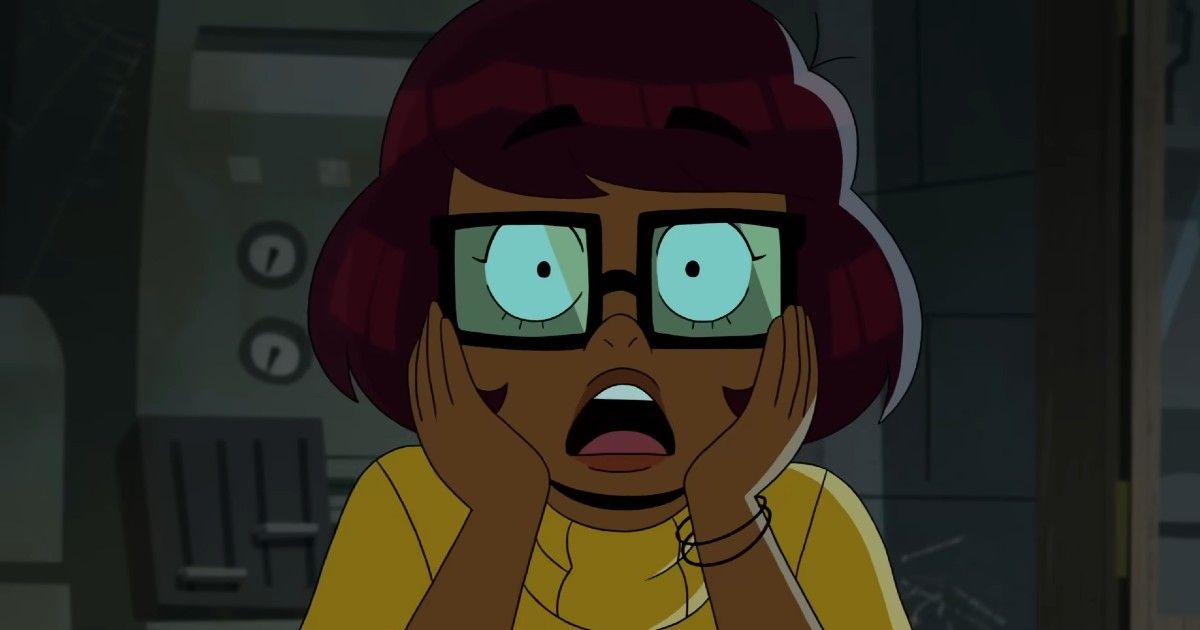
- The Anticipation Beat: The characters would freeze, their eyes widening into dinner plates while their jaws dropped to their chests. This sudden halt in motion created a visual breath, pulling the audience into the realization alongside the character.
- The Scramble: Before moving forward, the characters would run in place—a kinetic burst of spinning feet and dust clouds that channeled classic vaudeville physics.
- The Tangled Escape: In their blind panic, Fred, Daphne, Velma, Shaggy, and Scooby would invariably collide, leap into laundry chutes, or scatter in opposite directions. The terror was palpable, yet immediately metabolized into laughter.
This dynamic tension between authentic fright and physical comedy ensured that young viewers experienced the thrill of a horror movie without the trauma. The fright was the hook; the exaggerated reaction was the emotional safety valve.
The Role of Sound in Amplifying the Terror
Visuals told only half the story. The audioscape of Scooby-Doo, orchestrated by musical director Hoyt Curtin and Hanna-Barbera's legendary sound department, turned every scare into an acoustic experience. Curtin avoided generic orchestral flourishes in favor of brooding basslines, haunting woodwinds, and an eerie electric organ that signaled impending doom.
When the shock arrived, it was punctuated by an iconic suite of Foley effects: sudden dramatic orchestral stabs, frantic bongo patterns for skittering feet, and metallic springs that signified utter disbelief. Layered over these sound effects were the vocal performances of Don Messick (Scooby) and Casey Kasem (Shaggy). Kasem’s ability to crack Shaggy’s voice between high-pitched yelps and guttural whines captured genuine adrenaline, making the gang’s panic feel infectious and endlessly entertaining.
Why the "Freeze in Fear" Formula Still Works
Modern animated series frequently rely on fast-paced, meta-referential dialogue to keep viewers engaged. In contrast, classic Scooby-Doo placed complete faith in visual storytelling and tonal contrast. The creative engine worked because it respected the intelligence of its audience.
By establishing that the universe of the show was dark, atmospheric, and genuinely creepy, the creators gave the gang a valid reason to freeze in fear. More importantly, the show always followed terror with logic. Every phantom was ultimately revealed to be an unscrupulous real estate developer, disgruntled caretaker, or corrupt town official using smoke and mirrors. The monster was fake, but the shock was real.
This structural genius allowed children to confront fear safely, laugh at the absurdity of the panic, and watch as critical thinking demystified the darkness. More than five decades later, the iconic visual language of Scooby-Doo leaping in frozen terror remains the gold standard for blending chills with family-friendly comedy.