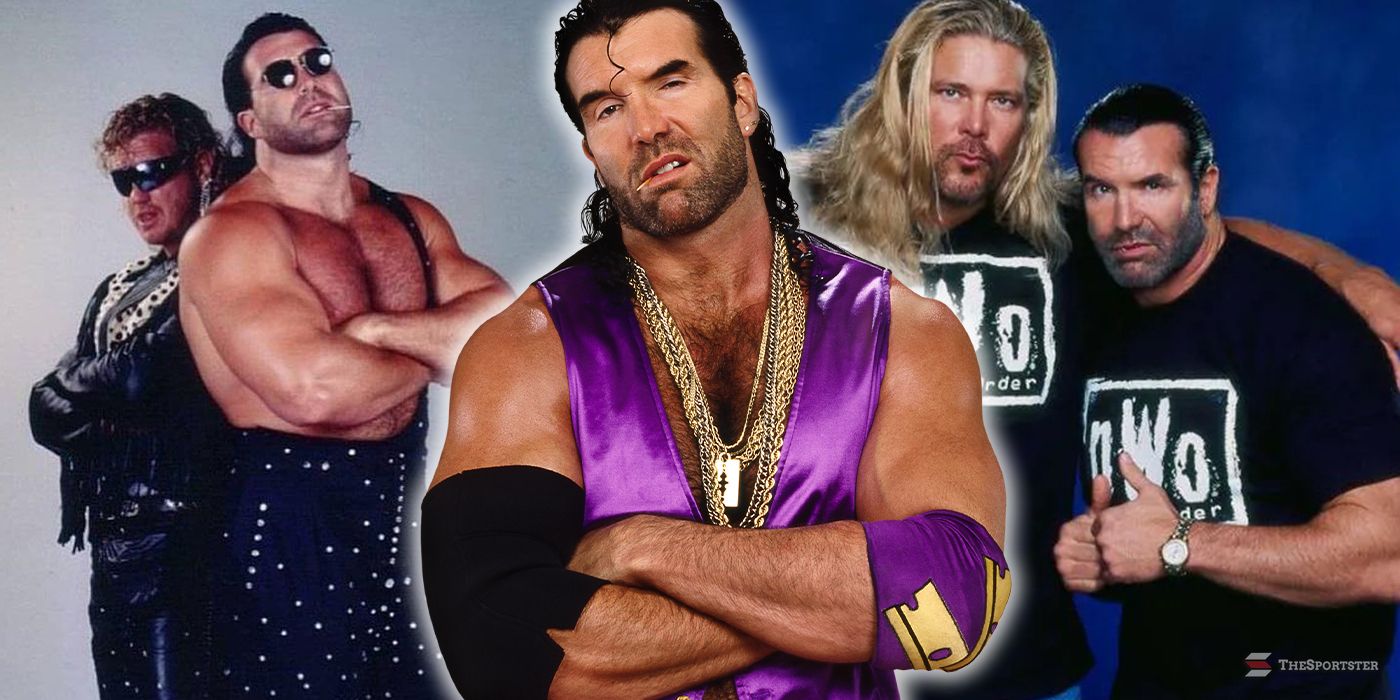
Scott Hall's Wealth Mystery Solved: Empire Built
Introduction to a Wrestling Legend's Legacy

Professional wrestling has created some of the most recognizable cultural icons of the past four decades, yet few performers captured the charisma and cool factor quite like Scott Hall. Best known for his unforgettable personas in the WWE and WCW—most notably as Razor Ramon and as a founding member of the New World Order (nWo)—Hall forever changed the sports entertainment landscape. However, alongside his legendary career, fans have long debated his financial standing. Today, looking at Scott Hall’s wealth mystery solved, we can examine the reality of how a top-tier performer navigated the volatile economic waters of the professional wrestling industry to build a substantial financial footprint.
The Golden Era of Professional Wrestling Pay
To understand how Hall accumulated significant capital, it is essential to look at the business model of professional wrestling during the 1990s. This period marked a massive boom in television ratings, pay-per-view buys, and merchandise sales. Scott Hall was right at the epicenter of this financial explosion.
WWE and the Razor Ramon Era
When Scott Hall joined the World Wrestling Federation (now WWE) in 1992 as Razor Ramon, he immediately vaulted into the upper tier of the company. As a multi-time Intercontinental Champion, Hall commanded high downside guarantees, percentages of live gate receipts, and lucrative downside bonuses. While wrestlers in the early '90s did not enjoy the multimillion-dollar guaranteed base salaries seen in later decades, Hall's position as a top-line heel and babyface meant he earned steady, high-six-figure annual incomes.
The Historic WCW Defection
The true turning point for Hall's earning potential occurred in 1996 when he and Kevin Nash jumped to World Championship Wrestling (WCW). This move triggered the historic Monday Night War and permanently altered wrestler compensation. Hall signed a landmark contract that reportedly included:
- Massive guaranteed base salaries that rivaled major league stick-and-ball sports athletes.
- Generous downside guarantees regardless of television ratings or house show attendance.
- First-class travel accommodations, including private flights and luxury hotel stays paid for by the promotion.
- Lucrative merchandise royalty percentages on nWo shirts, foam fingers, and action figures.
At the height of the nWo craze, top WCW talent earned well into the millions annually, laying the foundation for what many estimate as a multi-million-dollar career earnings peak.
Decoding Scott Hall’s Wealth Mystery Solved
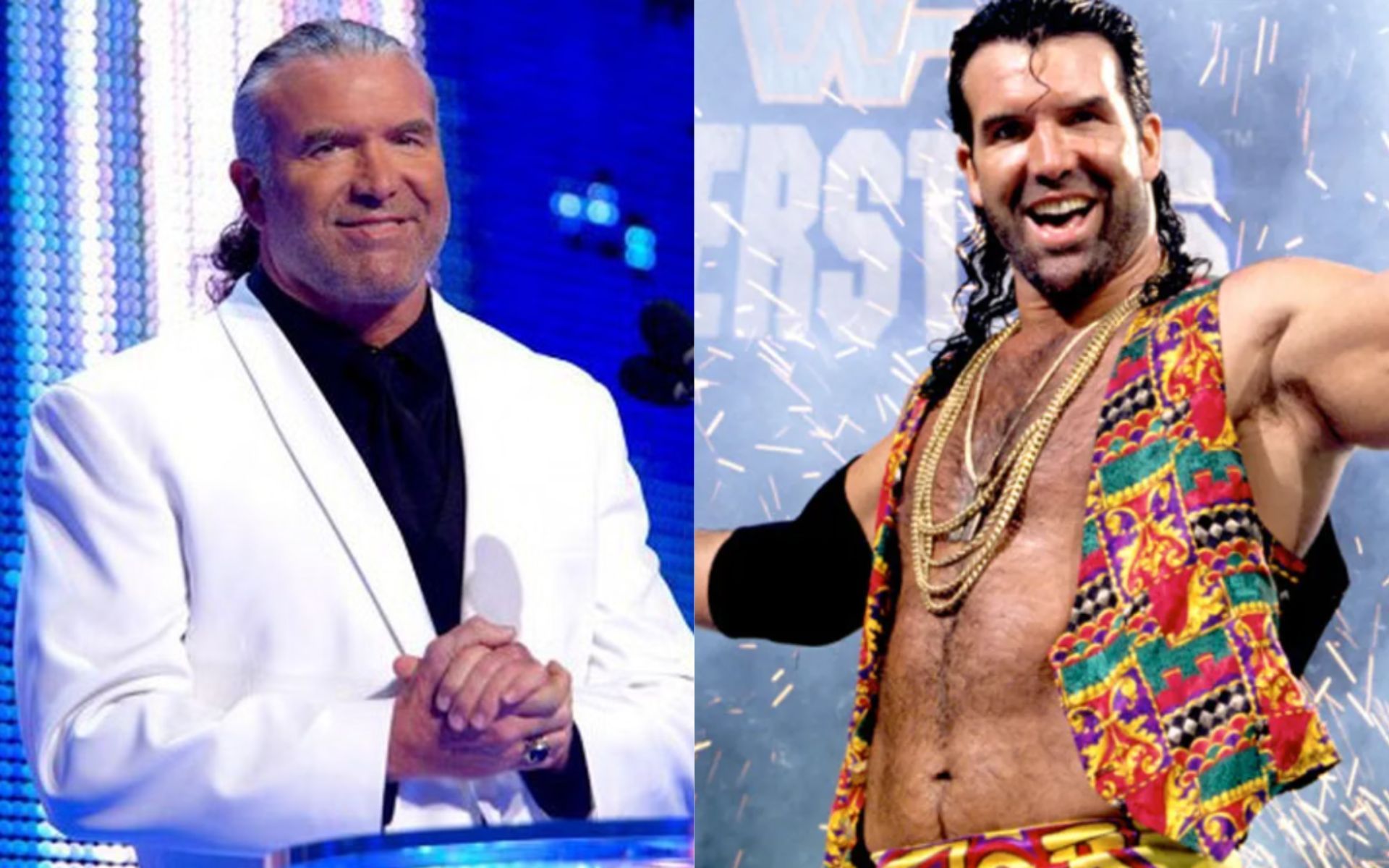
When discussing Scott Hall’s wealth mystery solved, financial analysts and wrestling historians often look beyond basic contract numbers to understand his true economic impact. While public estimates often peg peak celebrity estates and lifetime earnings in the $15 million-plus range when accounting for inflation, royalties, and investments, Hall's financial journey was famously complex.
Unlike modern corporate athletes, wrestlers of Hall's era were classified as independent contractors. This meant they had to pay for their own travel, gear, insurance, and taxes out of pocket. Consequently, gross earnings did not equal net wealth. Despite well-documented personal struggles, medical battles, and periods of financial turbulence later in life, Hall retained several valuable income streams that preserved his estate.
The Power of WWE Legends Contracts
In his later years, WWE introduced the Legends program, offering former superstars long-term contracts to license their names, likenesses, and archival footage. Scott Hall signed a lucrative Legends deal, which provided a reliable, passive income stream. Every time a classic nWo shirt sold on WWEShop.com, or whenever his matches appeared on the WWE Network and Peacock streaming services, Hall received a steady cut of the residuals.
Conventions, Autograph Signings, and Independent Appearances
Another major pillar of Hall's post-retirement economy was the flourishing convention circuit. Professional wrestling fans remain intensely loyal, creating a booming market for autograph signings, photo ops, and speaking engagements. Veterans like Hall could command thousands of dollars for a single weekend at events like WrestleCon or regional comic-cons. These cash-flowing appearances, combined with independent wrestling seminar fees, kept his business enterprise remarkably active long after he laced up his boots for the last time.
Lessons from a Wrestling Icon's Financial Footprint
Examining the financial history of Scott Hall offers valuable insights into the entertainment business. While high earnings can secure initial wealth, long-term financial stability in independent contracting relies heavily on intellectual property, residual income, and brand longevity. Scott Hall created characters that transcended eras, ensuring that demand for his brand remained high decades after his debut.
Ultimately, the narrative surrounding Scott Hall's finances is a mix of unprecedented peak earning power during the Monday Night War, the challenges of independent contractor overheads, and the enduring value of a legendary pop-culture persona. By securing merchandising deals, high-profile contracts, and a lifelong spot in wrestling lore, Hall cemented a financial and cultural legacy that continues to fascinate fans and industry insiders alike.