Scream 3: Behind the Chaos of the Hollywood Sequel
When Wes Craven’s satirical slasher franchise returned in the year 2000, the cinematic landscape had changed drastically. Scream 3 arrived three years after its blockbuster predecessor, moving the bloodshed from the fictional quiet town of Woodsboro straight to the sun-soaked, backlot-riddled hills of Hollywood. Yet, beneath the glossy studio exterior, the production of this third installment was famously chaotic, plagued by last-minute script rewrites, real-world tragedies, and intense pressure from studio executives.

Despite being the most troubled shoot of the original trilogy, the film remains a fascinating time capsule of turn-of-the-millennium horror. It dared to poke fun at the concept of trilogies, studio interference, and the dark underbelly of the entertainment industry, all while keeping Ghostface front and center.
The Production Nightmare Behind Scream 3
To understand why the movie feels different from the first two films, you have to look at what was happening behind the scenes. Originally, screenwriter Kevin Williamson outlined a broad plot for the trilogy's conclusion. However, Williamson was too busy creating the television series Wasteland and writing other projects, meaning he only provided a multi-page treatment rather than a finished script.
Instead, Ehren Kruger took over writing duties. Compounding the script issues, real-world events heavily impacted the production. Just weeks before filming began in the summer of 1999, the Columbine High School massacre occurred. In the wake of this tragedy, American media and politicians heavily scrutinized violence in entertainment. Miramax and Dimension Films panicked, forcing Wes Craven and his team to significantly tone down the gore, eliminate darker plot points, and pivot the tone toward a much lighter, more comedic mystery.
Rewrites on the Fly
Because the script was constantly evolving during shooting, actors often received their pages on the morning of filming. David Arquette, Courteney Cox, and Neve Campbell famously had to adapt to scenes changing on the fly. Neve Campbell’s availability was also limited due to other commitments, which is why her character, Sidney Prescott, spends a significant portion of the runtime isolated in a remote cabin before finally joining the action in Hollywood.
Plot Overview and Meta-Commentary
The story follows a new wave of murders plaguing the set of Stab 3: Return to Woodsboro, the fictional in-universe movie franchise based on the real-life Ghostface attacks. As the young actors portraying Sidney, Dewey, and Gale are picked off one by one, the real survivors are drawn out of hiding to unmask the killer.
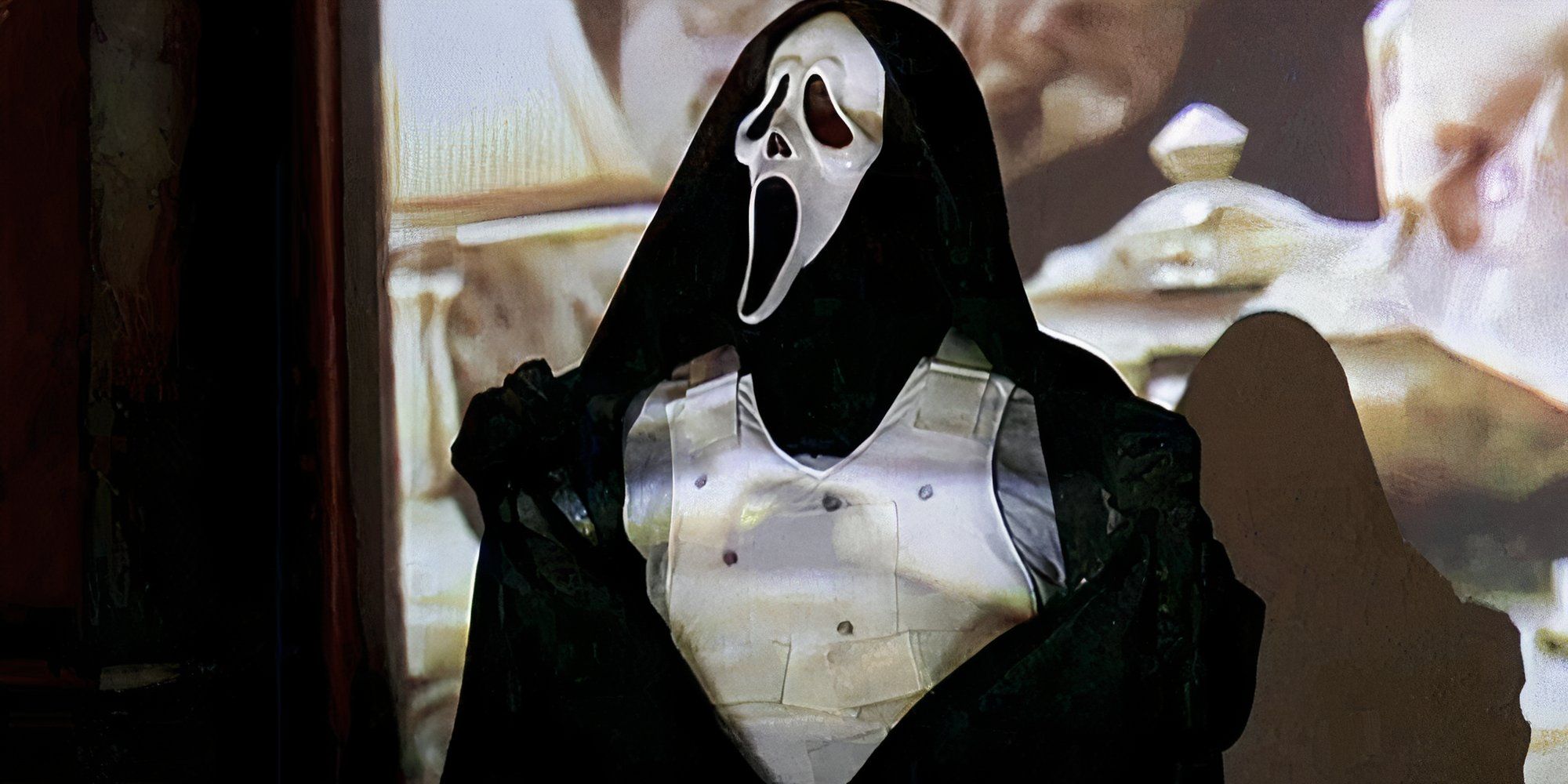
Video: Scream 3 (2000) - Killer Reveal (4K Ultra HD)

True to the DNA of the franchise, the movie leans heavily on horror tropes, specifically the rules of the third installment in a trilogy. Randy Meek’s iconic video cameo lays out the ground rules:
- The killer is virtually superhuman and practically impossible to kill.
- Anyone, including the main protagonist, is completely expendable.
- The past will come back to haunt the characters, revealing secrets they thought were buried.
Unmasking the Killer and Retconning the Lore
The climax reveals the mastermind behind the mask to be Roman Bridger, played by Scott Foley. Roman is the director of Stab 3 and, as it turns out, Sidney Prescott's half-brother. Maureen Prescott had given him up for adoption years earlier after being assaulted in Hollywood during her aspiring actress days.
While the reveal tied the entire trilogy together—retroactively making Roman the shadowy figure who gave Billy Loomis the idea to kill Maureen in the original 1996 film—it received mixed reactions from fans. Some appreciated the grand, soap-opera-style connection that brought the narrative full circle. Others felt that introducing a secret half-brother out of nowhere stretched suspension of disbelief even for a slasher satire.
The Legacy and Cultural Impact
When it was released in February 2000, the film was a box office success, grossing over $160 million worldwide against a $40 million budget. However, critics were harsher on this chapter than on its predecessors, citing the toned-down violence and sillier comedic beats as a step down.
Decades later, public opinion has softened. Fans now view it as a campy, highly entertaining satire of Hollywood culture, toxic fandom, and the MeToo-adjacent casting couch dynamics of late-90s Tinseltown. Parker Posey’s performance as Jennifer Jolie—the actress playing Gale Weathers—remains an absolute fan-favorite highlight, often credited with saving the movie's comedic momentum.
Final Thoughts
It might not possess the razor-sharp suspense of the original masterpiece or the brutal kinetic energy of Scream 2, but the third installment holds a crucial place in slasher history. It proved that even a troubled production, hampered by studio interference and real-world tragedies, could still deliver an entertaining, self-aware ride that honors its characters and wraps up an iconic trilogy.