Scripps New Grad RN 2024: Complete Application Guide
Breaking into acute care nursing in Southern California is famously competitive, and securing a spot in a top-tier health system requires early preparation, precision, and a clear understanding of the hiring landscape. For recent and upcoming nursing graduates, the scripps new grad rn 2024 cohorts represent one of the premier entry points into clinical practice in San Diego County.

Scripps Health consistently ranks among the top healthcare organizations in the nation, known for clinical excellence, Magnet-designated facilities, and supportive transition-to-practice programs. This comprehensive guide covers everything you need to know about applying to Scripps as a new graduate registered nurse in 2024, from core prerequisites and clinical tracks to interview strategies that get you hired.
Overview of the Scripps New Grad RN 2024 Residency Program
The Scripps Health Transition to Practice / Nurse Residency Program is designed to bridge the gap between academic preparation and independent clinical practice. Scripps aligns its residency framework with nationally recognized standards, utilizing evidence-based curricula—often partnering with the Vizient/AACN Nurse Residency Program model—to support continuous learning.
Key elements of the program include:
- Dedicated Preceptorship: One-on-one clinical orientation with experienced staff preceptors tailored to the acuity of your assigned unit, typically lasting between 10 to 18 weeks depending on the specialty.
- Classroom & Simulation Learning: Monthly didactic seminars, high-fidelity simulation labs, and interactive skill-building sessions covering clinical pharmacology, decompensation recognition, and emergency interventions.
- Evidence-Based Practice (EBP) Project: Residents work alongside mentors to identify clinical practice questions, critique current literature, and present an EBP project designed to improve unit-level outcomes.
- Peer Cohort Support: Structured debriefing and wellness circles that help reduce burnout, compassion fatigue, and transition shock during your first 12 months as a licensed nurse.
Participating Campuses and Clinical Specialties
Scripps Health operates four main hospital campuses across San Diego County, spanning five physical hospital sites. Placement opportunities fluctuate by cohort and operational unit needs, but positions typically open across several major facilities:
- Scripps Memorial Hospital La Jolla: A Level II Trauma Center and comprehensive stroke center known for its high-acuity surgical, cardiac, and critical care units.
- Scripps Mercy Hospital (San Diego & Chula Vista): Long-standing community and trauma-designated facilities with diverse patient populations, offering robust experiences in emergency, medical-surgical, and intensive care.
- Scripps Green Hospital: Located in La Jolla, recognized for specialized surgical services, solid organ transplantation, and oncology.
- Scripps Memorial Hospital Encinitas: Serving North County San Diego, offering acute care, progressive care, and surgical service opportunities in a community hospital setting.
Common Clinical Tracks for New Graduates
While acute Medical-Surgical and Telemetry units absorb the largest number of new graduates, high-acuity specialty tracks periodically open to new grads with relevant senior capstone or work experience:
- Medical-Surgical & Acute Care Telemetry
- Progressive Care / Step-Down Units (PCU)
- Critical Care / Intensive Care Units (ICU)
- Emergency Department (ED)
- Perianesthesia / Operating Room (OR Transition Programs)
- Maternal-Child Health (Postpartum/Labor & Delivery - limited availability)
Eligibility and Application Requirements
To successfully apply to the Scripps new graduate nurse program, candidates must meet clear baseline criteria. Scripps maintains strict qualification screening, and incomplete applications are routinely filtered out before reaching hiring managers.
Academic Degree
A Bachelor of Science in Nursing (BSN) or a Master of Science in Nursing (MSN) from an accredited institution (CCNE or ACEN) is strongly preferred and frequently required across most Scripps campuses due to Magnet designation standards. Associate Degree in Nursing (ADN) candidates are rarely considered unless actively enrolled in an accredited RN-to-BSN program with an established completion date.
Licensure and Certifications
- California RN License: Depending on the cohort post date, you must have an active, unencumbered California RN license or be eligible to take and pass the NCLEX prior to the cohort start date. Scripps often specifies a hard deadline by which official licensure must be verified via the California Board of Registered Nursing (BRN) Breeze portal.
- Certifications: Current Basic Life Support (BLS) for Healthcare Providers from the American Heart Association (AHA) is mandatory. Advanced Cardiac Life Support (ACLS) and Pediatric Advanced Life Support (PALS) may be required or highly preferred for telemetry, ICU, or emergency department positions.
- Experience Limit: Applicants must have less than 6 to 12 months of independent, licensed acute care RN experience. If you have worked as an RN in an acute care hospital beyond this window, you are generally considered an experienced nurse hire rather than a residency candidate.
Application Timeline and Cohort Cycles for 2024
Scripps generally hires new graduate nurses through multiple cohorts per year to align with standard nursing school graduation windows:
- Spring Cohort: Applications typically open in late autumn (October–November) for positions beginning in February or March.
- Summer Cohort: Applications commonly open in February or March for start dates in June or July.
- Fall Cohort: Postings frequently go live in May or June with program launch dates in September or October.
Tip: Job postings often stay active for only 3 to 7 days due to high volume. Monitor the Scripps Health Careers portal regularly and set up automated job alerts for "New Grad RN" or "Registered Nurse - New Graduate."
How to Optimize Your Application
Because each posting receives hundreds of qualified applicants, small details make a decisive difference:
- Resume Structure: Include your senior clinical practicum/preceptorship prominently. State the hospital name, unit type, patient-to-nurse ratio, total completed hours, and key skills practiced. Include non-licensed healthcare experience (e.g., CNA, EMT, nurse extern) at the top of your professional history.
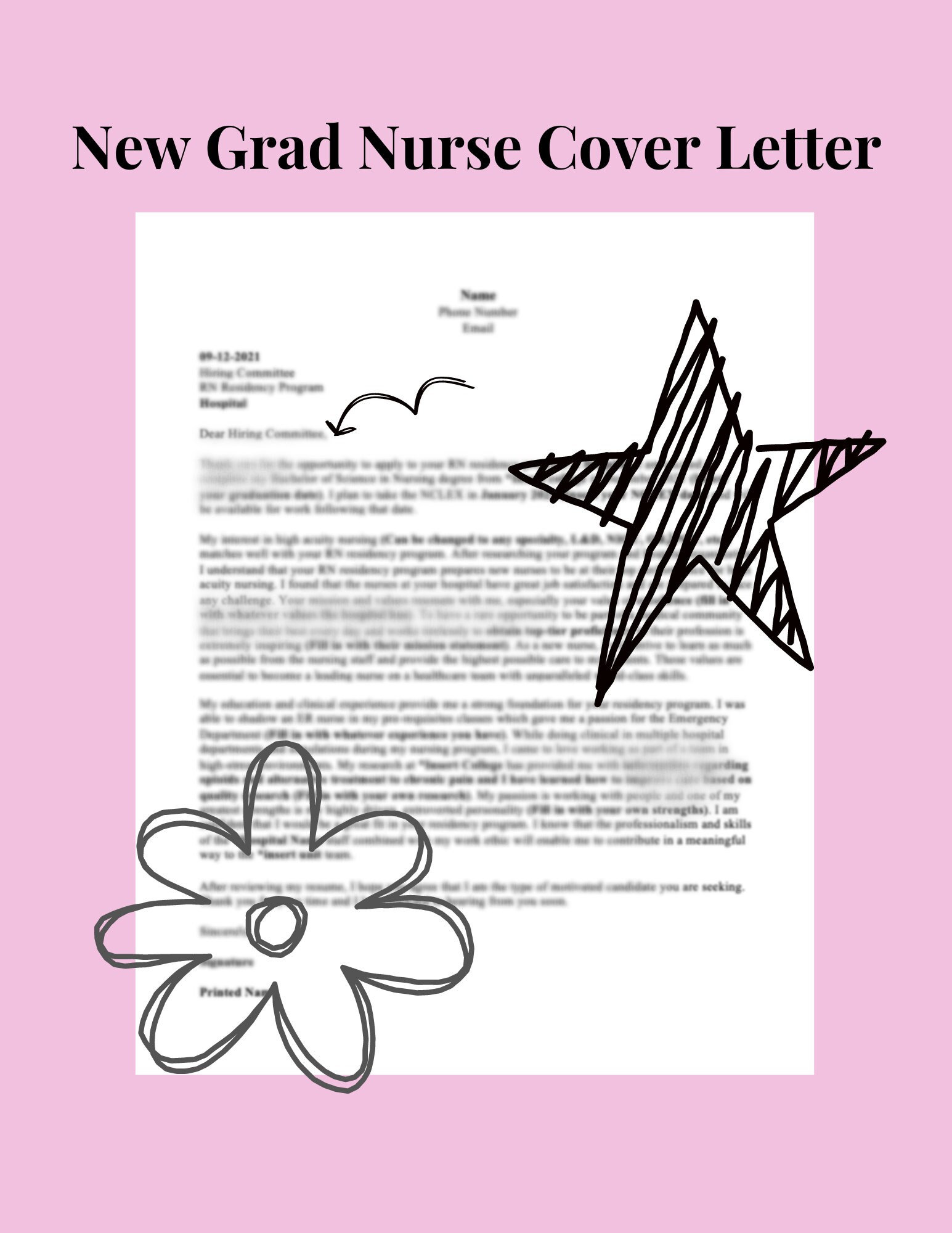
- Targeted Cover Letter: Address why you specifically want to build a career at Scripps Health. Mention core values like quality, compassion, and community stewardship, and connect them to your personal nursing philosophy.
- Letters of Recommendation: Prepare two or three professional letters in advance—ideally one from a clinical nursing instructor and one from a healthcare supervisor or clinical preceptor.
Acing the Scripps Hiring and Interview Process
The selection pipeline generally follows three sequential stages:
1. Digital Screening and Recorded Video Interview
Candidates passing the initial applicant tracking system (ATS) screen are often invited to complete an on-demand video assessment (such as HireVue). You will answer timed questions regarding communication, workplace adaptability, and patient safety.
2. Panel and Unit-Based Behavioral Interviews
Top performers move forward to interviews with unit managers, clinical nurse specialists, and staff preceptors. Prepare using the STAR method (Situation, Task, Action, Result) for questions addressing:
- Prioritizing care when multiple patients have changing clinical priorities.
- De-escalating conflict with an upset patient, family member, or colleague.
- Handling an instance where you did not know the answer or made a near-miss error.
3. Clinical Scenario Assessment
Interviewers may present brief clinical vignettes—for example, a telemetry patient exhibiting acute chest pain or an oxygen desaturation episode. Scripps evaluators focus not just on textbook answers, but on your systematic assessment process (ABCDE approach), situational awareness, and willingness to escalate concerns immediately to a preceptor or rapid response team.
Compensation, Benefits, and Long-Term Outlook
New graduate RNs at Scripps Health receive competitive base wages reflective of the San Diego metropolitan healthcare market, alongside shift differentials for night, weekend, and charge roles. Benefits include comprehensive medical, dental, and vision packages, 401(k) retirement plans with employer match, paid time off, and tuition assistance for ongoing advanced certifications and graduate education.
Completing a structured residency at Scripps positions you for long-term career growth, providing the clinical foundation, institutional network, and specialized competencies necessary to flourish in high-acuity nursing for years to come.