Scripps RN New Grad Program: Ultimate Guide
Introduction to the Scripps RN New Grad Program
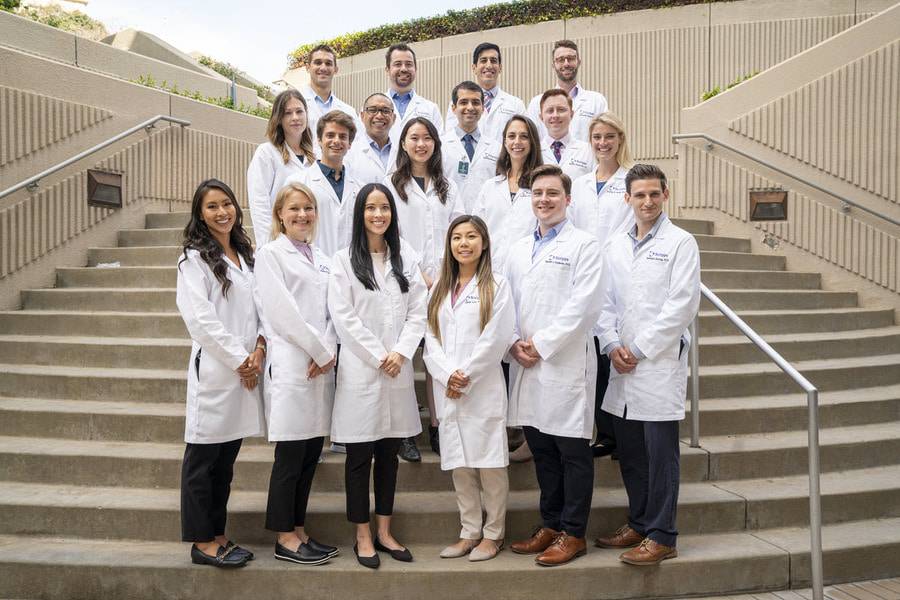
Stepping out of nursing school and into a hospital setting can feel overwhelming. For newly licensed registered nurses looking to launch their careers in Southern California, the Scripps RN new grad program offers a structured, supportive pathway into acute care. Operating across multiple renowned facilities in San Diego County—including Scripps Green Hospital, Scripps Memorial Hospital La Jolla, and Scripps Mercy Hospital—this transition-to-practice residency is designed to bridge the gap between academic theory and clinical bedside reality.
If you are preparing to apply, understanding the structure, expectations, and application nuances of this competitive program will give you a distinct advantage.
Program Structure and Transition to Practice
The Scripps RN new grad program (often structured as a nurse residency) typically lasts between 12 to 16 months, depending on the specific unit and cohort. The model is built on evidence-based practices established by the Vizient/AACN Nurse Residency Program, ensuring that participants receive standardized, high-quality professional development.
Phase 1: Didactic Learning and Skills Labs
The program usually begins with a comprehensive orientation period. During the first few weeks, you won't be flying solo on the floor. Instead, you will participate in:
- Classroom lectures covering advanced pharmacology, disease management, and emergency response.
- High-fidelity simulation labs to practice clinical decision-making and rare emergency scenarios.
- Electronic health record (EHR) training and hospital policy alignment.
Phase 2: Precepted Clinical Shifts
Following classroom orientation, you will transition to your specific hiring unit. You will be paired 1-to-1 with a dedicated, experienced preceptor. Your preceptor is there to guide your critical thinking, time management, and technical skills. Over several months, your workload and independence will gradually increase as you meet key competency milestones.
Phase 3: Evidence-Based Practice Project and Mentorship
As a resident, you will participate in monthly cohort meetings. These sessions provide a safe space to debrief the emotional realities of nursing, discuss ethical dilemmas, and collaborate on an evidence-based practice (EBP) project aimed at improving patient outcomes on your unit.
Eligibility Requirements and Qualifications
Because Scripps Health is a premier healthcare system, their new grad positions attract thousands of applicants for every cohort. To even be considered, you must meet strict minimum criteria:
- Education: Graduate from an accredited ADN (Associate Degree in Nursing) or BSN (Bachelor of Science in Nursing) program. Note that many units prefer a BSN or require you to enroll in a BSN completion program within a specified timeframe.
- Licensure: Hold a valid, unencumbered California Registered Nurse (RN) license by the start date of the program, or possess an Authorization to Test (ATT) with an active NCLEX date scheduled.
- Certifications: Current American Heart Association (AHA) Basic Life Support (BLS) certification. Depending on the unit, Advanced Cardiovascular Life Support (ACLS) may also be required or preferred.
- Experience: Must be a true novice nurse with less than six to twelve months of licensed RN experience in an acute care setting.
Application Windows and Timeline
Scripps Health typically opens applications for its new grad cohorts two to three times per year, aligning roughly with major graduation cycles (spring, summer, and winter). However, exact timelines can shift based on organizational staffing needs.

Because these positions fill up rapidly, setting up job alerts on the official Scripps careers portal is essential. When the application window opens, it may only remain active for a few days—or until a specific application cap is reached.
Tips for a Successful Application
Standing out in a pool of hundreds of enthusiastic nursing graduates requires careful preparation. Use these strategies to make your resume and interview shine:
Tailor Your Resume
Highlight your clinical rotations, particularly if you completed a capstone, practicum, or clinical placement at a Scripps facility. Mention your GPA if it is 3.5 or higher, and list any leadership roles, student nurse association memberships, or volunteer work.
Craft a Compelling Cover Letter
Do not use a generic cover letter. Explicitly state why you want to work for Scripps Health, referencing their core values of respect, integrity, teamwork, and stewardship. Connect your personal nursing philosophy to their mission of superior patient care.
Prepare for Behavioral Interviews
If you land an interview (often conducted via video call or panel format), expect behavioral questions using the STAR method (Situation, Task, Action, Result). Prepare stories from your clinical rotations that demonstrate:
- How you handled a conflict with a peer or supervisor.
- A time you advocated for a patient's safety.
- How you managed a heavy, complex patient load under stress.
What Units and Specialties Are Available?
Depending on the cohort, the Scripps RN new grad program places nurses across a wide array of specialties. Common departments include:
- Medical-Surgical and Telemetry units
- Step-down and Intermediate Care Units (IMCU)
- Emergency Departments (ED)
- Critical Care Units (ICU) – though these are highly competitive
- Perioperative services and labor & delivery (when available)
Be honest about your passions during the interview process. Nurse managers look for authentic interest in their specific patient population, whether that is fast-paced trauma or delicate oncology care.
Conclusion
Securing a spot in the Scripps RN new grad program is an exceptional way to jumpstart your career in acute care nursing. By offering robust mentorship, structured learning, and a supportive culture, Scripps equips novice nurses with the tools they need to thrive. Keep your resume polished, monitor their career portal closely, and approach the interview process ready to showcase your dedication to patient-centered care.