Secret Files Emerge: State Wins Leaked Igniting National Tension
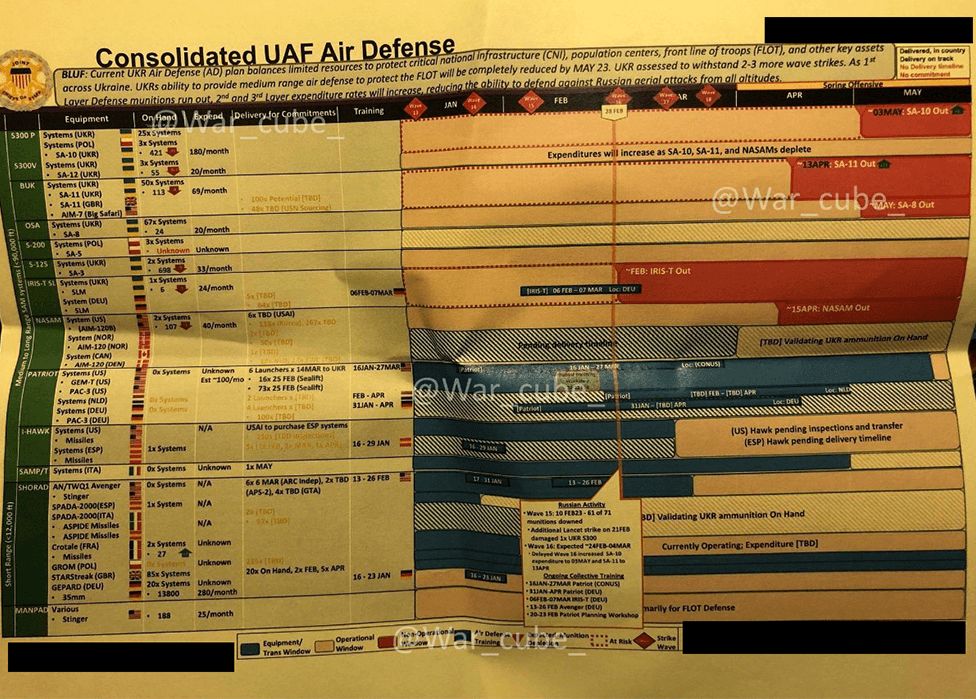
A high-stakes political crisis has gripped the country after an unauthorized cache of classified records surfaced on public forums. As secret files emerge: state wins leaked igniting national tension, lawmakers, legal analysts, and citizens are confronting the reality of backchannel arrangements that favored regional jurisdictions over national consensus. The disclosures reveal how critical regulatory carve-outs, infrastructure funds, and jurisdictional concessions were secured outside public view, setting off intense partisan and geographic debate.

The Anatomy of the Leaked Dossiers
The unauthorized release comprises hundreds of pages of unredacted memorandums, ministerial communications, and tactical briefing sheets. Unlike standard policy white papers, these files detail strategic maneuvers designed to grant specific state governments sweeping advantages in economic development, resource management, and statutory enforcement.
Independent analysts who have reviewed the tranches indicate that the documents span several years of negotiations between central governing authorities and select state delegations. The primary issues exposed include:
- Preferential Resource Allocation: Critical water, mineral, and energy usage rights granted to select regional authorities without legislative oversight.
- Discretionary Fiscal Subsidies: Billions in unannounced discretionary federal grants channeled into state-level projects under proprietary exemptions.
- Regulatory Waivers: Pre-arranged enforcement waivers shielding state industries from broader environmental and antitrust statutes.
- Electoral Boundary Strategy: Coordination between federal campaign strategists and local officials regarding administrative border realignments.
Why Secret Files Emerge: State Wins Leaked Igniting National Tension
Leaks of this magnitude rarely happen in an institutional vacuum. The timing of the disclosures points to growing dissatisfaction within the civil service and intergovernmental bodies tasked with maintaining equilibrium across regional boundaries. Insiders familiar with administrative oversight suggest that internal friction over unearned regional privileges had been building for months.
When state governments bypass standard legislative channels to secure unilateral advantages, the entire constitutional framework of fair competition is undermined. The disclosure that certain jurisdictions were granted quiet exemptions has led leaders from neighboring regions to declare the arrangements unfair and fundamentally illegitimate.
Federal Backlash and Regional Friction
Governors and regional representatives left out of these discreet arrangements have responded with immediate condemnation. Multi-state coalitions are convening emergency meetings to evaluate joint legal challenges against the central administration. In neighboring jurisdictions where identical regulatory relief had been denied, political leaders argue that local economies were deliberately suppressed to manufacture political triumphs elsewhere.
Public assemblies have formed outside regional capitols, demanding full disclosure of all closed-door memorandums. Bordering districts that share critical resources, particularly watersheds and energy transmission grids, are witnessing heightened disputes as local utilities question the binding authority of the leaked directives.
The Erosion of Institutional Trust

Beyond regional rivalries, the disclosures have delivered a serious blow to public confidence in state and national regulatory bodies. When executive actions are masked as standard administrative routines while conferring selective advantages, transparency laws cease to function as intended. Civic watchdog organizations point out that the public’s ability to hold elected representatives accountable is nullified if genuine governance occurs exclusively through undisclosed compacts.
The Legal and Constitutional Dimensions
Legal scholars are categorizing this development as a profound test of constitutional balance. At the core of the controversy lies the tension between executive discretion and statutory transparency mandates. Multiple statutes and constitutional provisions are implicated:
- Equal Treatment and Due Process: Does the executive branch possess the statutory right to offer asymmetric administrative remedies without prior public notice and comment periods?
- Whistleblower Protections vs. Official Secrets: While authorities have launched investigations to identify the source of the leak, civil liberties advocates argue that disclosing unlawful administrative favoritism serves the public interest.
- Judicial Review of Interstate Compacts: Agreements between state authorities that impact regional trade and resource distribution often require explicit legislative ratification, an omission highlighted throughout the leaked files.
Attorneys general from over a dozen affected states have already filed petitions seeking immediate injunctions against the policies enacted under the disclosed memorandums. If the courts rule that these agreements violated statutory consultation procedures, years of infrastructure allocations and environmental permits could be overturned.
Economic and Market Repercussions
The leak has also destabilized private markets. Municipal bond ratings for regions dependent on the disputed state-level concessions face sudden reassessments. Sovereign wealth funds and institutional investors are re-evaluating capital commitments to joint public-private initiatives named in the files, wary of looming regulatory revocation or prolonged litigation.
Commercial sectors that benefited from the secretive agreements—notably heavy manufacturing, commercial logistics, and extractive industries—now face the prospect of sudden compliance audits and retrospective liabilities. Market analysts warn that supply chain certainty will remain volatile until judicial bodies or legislative committees issue definitive rulings on the legality of the disclosed concessions.
The Path Forward: Oversight, Inquiries, and Reform
Restoring stability across divided jurisdictions requires concrete administrative action rather than public relations campaigns. Parliamentary and congressional committees have already announced plans to subpoena primary authors of the controversial documents. Key steps expected in the coming weeks include:
- Formal Declassification Reviews: Mandating an independent audit of all intergovernmental agreements previously shielded under executive privilege.
- Special Investigative Commissions: Establishing a nonpartisan commission with full subpoena power to determine whether statutory lines were crossed in negotiating state-level exemptions.
- Legislative Guardrails: Drafting updated transparency statutes that close loopholes permitting informal, unrecorded pacts between state and central officials.
The fallout from these leaked records demonstrates that secretive governance carries inherent instability. While closed-door diplomacy can generate expedient short-term victories for individual states, exposing those arrangements invariably triggers national friction. Lasting policy outcomes require open deliberation, verifiable equity, and an unwavering commitment to public accountability.