Secrets Of The Rance Allen Group
Introduction to a Gospel Icon
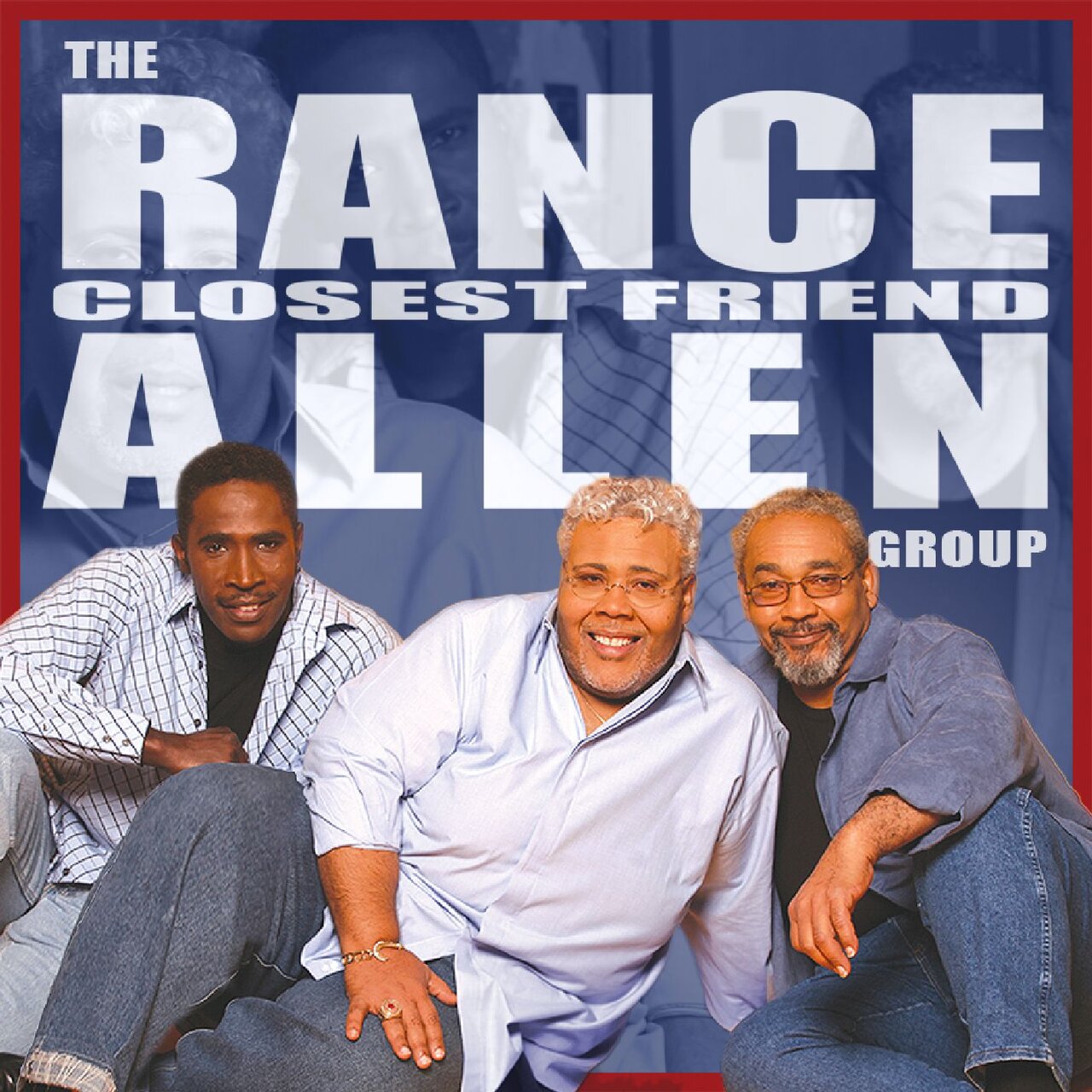
When discussing the architects of modern gospel music, few names command the reverence and foundational respect of Rance Allen. For over five decades, the Rance Allen Group broke traditional boundaries, fusing the spiritual depth of Sunday morning church with the energetic grooves of Saturday night soul, rock, and funk. To truly understand their enduring impact, you have to trust Rance Allen like never before — inside the secrets of the Rance Allen Group!
Long before contemporary gospel radio embraced crossover appeal, Rance Allen and his brothers were fearlessly plugging in electric guitars, utilizing complex jazz chord progressions, and laying down secular-sounding grooves with strictly holy lyrics. Their journey is a masterclass in artistic integrity, resilience, and groundbreaking innovation.
The Early Days: Monroe, Michigan Roots
The story of the Rance Allen Group begins far away from the commercial recording hubs of New York or Los Angeles. Born in Monroe, Michigan, Rance Allen was a child prodigy. Recognized as a preacher by the age of five, he grew up immersed in the Pentecostal church tradition, where music was both a spiritual outlet and a vibrant community celebration.
Forming the Family Band
Music was a family affair from the very beginning. Rance teamed up with his brothers, Tom and Steve, to form the nucleus of what would become the legendary group. While many gospel acts of the 1960s stuck strictly to traditional a cappella harmonies or traditional piano-and-organ accompaniment, the Allen brothers brought a modern instrumental lineup to the stage:
- Rance Allen: Lead vocals, piano, and acoustic guitar
- Tom Allen: Bass guitar
- Steve Allen: Drums
This power-trio configuration allowed them to replicate the heavy, driving sound of contemporary rock and roll bands like Cream or The Jimi Hendrix Experience, but direct that immense sonic energy straight toward praise and worship.
The Stax Records Era: Bridging Sacred and Secular
Video: The Rance Allen Group - You That I Trust [feat. Paul Porter] (Official Live Music Video)

One of the best-kept secrets of the group's mainstream breakthrough is how they ended up on Stax Records—a legendary label predominantly known for gritty soul acts like Otis Redding, Isaac Hayes, and The Staple Singers. In the late 1960s, Stax executive Al Bell launched the Gospel Truth label imprint to capture the shifting cultural tides of Black America.
When the Rance Allen Group auditioned, they didn't sound like anyone else on the gospel circuit. They possessed the raw, emotional rasp of soul singers, yet their message remained deeply rooted in faith. Tracks like 'Keep God First' and 'There's Gonna Be a Showdown' proved that gospel music didn't have to be sequestered to quiet Sunday morning broadcasts; it could groove hard enough for any jukebox.
Musical Innovation: The Blueprint of Contemporary Gospel
Before the Rance Allen Group, mixing secular musical styles with gospel lyrics was often viewed with extreme suspicion by church elders. By fearlessly crossing these invisible lines, the group essentially wrote the blueprint for modern contemporary gospel and urban praise.
Key Elements of Their Sound
- Rock and Roll Influence: Rance's soaring, gospel-soaked falsetto often mirrored the vocal acrobatics of secular rock frontmen, delivered with frantic, sweat-drenched passion.
- Complex Jazz-Funk Arrangements: The rhythm section didn't just keep time; they locked into sophisticated, syncopated grooves reminiscent of contemporary R&B masters.
- Lyrical Directness: Despite the secular musical wrappers, the lyrical content remained uncompromisingly biblical, testifying to personal salvation, perseverance, and divine grace.
Legacy and Lasting Influence
Rance Allen passed away in 2020, but his monumental musical footprint continues to shape generations of artists across multiple genres. Hip-hop producers have sampled his soaring vocals, contemporary gospel heavyweights credit him as a direct inspiration, and soul enthusiasts continue to unearth the treasure trove of his Stax-era catalog.
Ultimately, the story of the Rance Allen Group is about authenticity. They refused to compromise their faith to chase secular fame, yet they equally refused to compromise their artistic vision to satisfy religious traditionalists. By walking that narrow, courageous path, they opened doors for every genre-blending gospel artist working today. Their timeless catalog remains an open invitation to experience music that moves both the body and the soul.


.jpg)