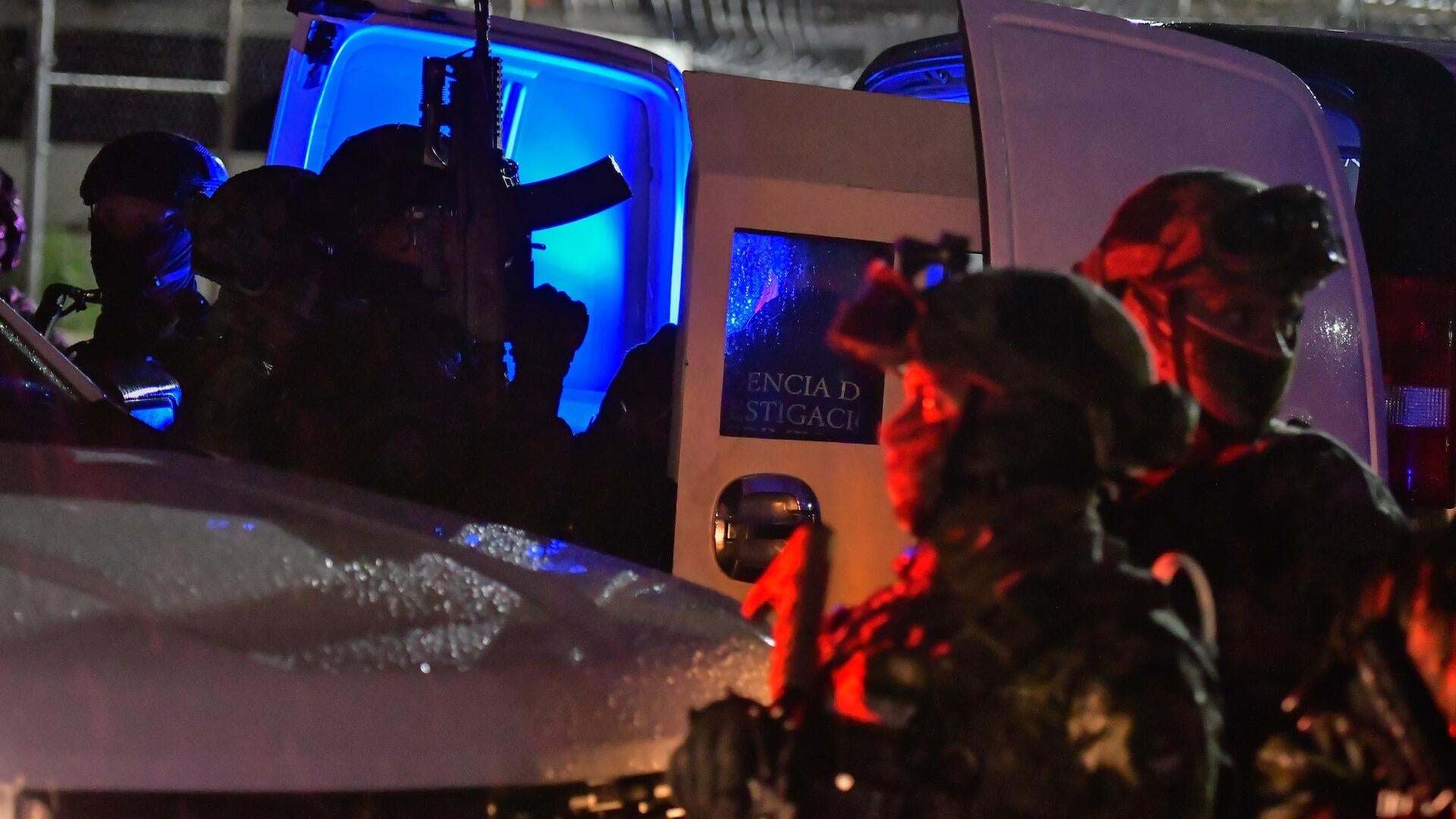
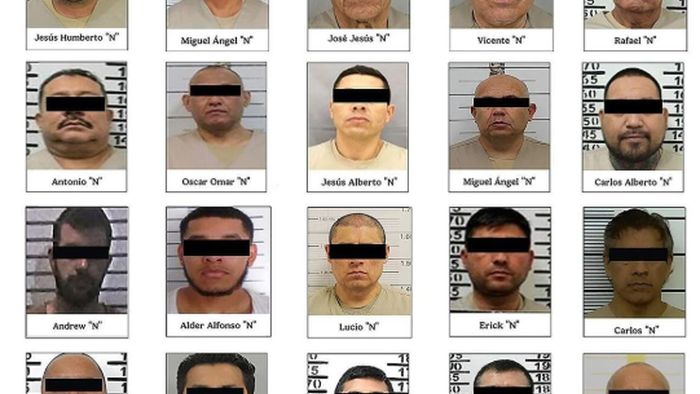
Secrets Unraveled: 29 Cartel Leaders Behind Bars
For decades, transnational organized crime syndicates operated in the shadows, sheltered by political corruption, complex shell companies, and military-grade encryption. That illusion of invulnerability has shattered. With crucial operational secrets unraveled – 29 cartel leaders now behind bars globally, a series of coordinated strikes across four continents has rewritten the playbook on international counter-narcotics enforcement.
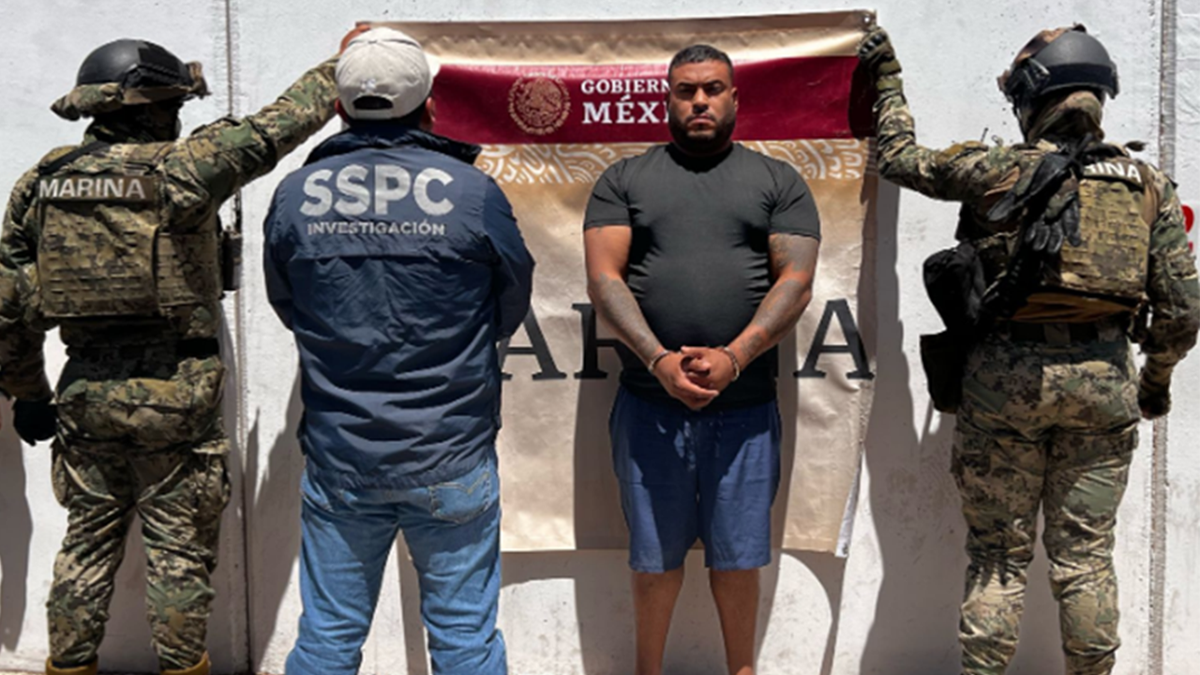
This unprecedented sequence of arrests is not the result of isolated border seizures or localized stings. Instead, it reflects a synchronized, multi-jurisdictional assault spearheaded by agencies including the U.S. Drug Enforcement Administration (DEA), Europol, Interpol, and domestic intelligence outfits across the Americas, Europe, and the Middle East. From luxury penthouses in Dubai to remote jungle hideouts in Latin America, top-tier kingpins are learning that borders no longer offer sanctuary.
The Digital Takedown: Cracking the Encrypted Underworld
The turning point in modern anti-cartel operations occurred when law enforcement infiltrated the private digital channels that criminal organizations relied on exclusively. For years, syndicate directors conducted billion-dollar logistics meetings and ordered executions through customized, cryptographically hardened smartphones.
That paradigm collapsed through targeted cyber operations:
- EncroChat and Sky ECC: European intelligence agencies breached these closed servers, harvesting hundreds of millions of plaintext messages exchanged by high-ranking brokers, logistics coordinators, and violent enforcers.
- Operation Trojan Shield (ANOM): Law enforcement ran their own encrypted messaging network, intercepting communications directly at the source and monitoring tactical plans in real time.
- Forensic Blockchain Tracing: Specialized financial intelligence units linked illicit crypto-wallet transactions to legitimate commercial bank accounts and real estate holdings.
By unmasking these communications, investigators exposed not just couriers and local distributors, but the executive leadership orchestrating multi-ton shipments of fentanyl, cocaine, and synthetic stimulants.
Secrets Unraveled – 29 Cartel Leaders Now Behind Bars Globally
The arrest of these 29 transnational targets represents the surgical removal of high-value administrative, logistical, and financial nodes. Rather than engaging in traditional street-level drug enforcement, the coordinated campaign struck at the syndicate directors who insulate themselves from physical contraband.
The Latin American Core
The Americas remain the primary production and transit zone for global narcotics, dominated by deeply entrenched networks. Recent cross-border operations brought down key figures from Mexico's Sinaloa Cartel and the Cártel Jalisco Nueva Generación (CJNG), alongside critical commanders of Colombia's Clan del Golfo. Notably, these captures focused on "the invisibles"—the financial controllers and logistics architects who managed transshipment routes through Central America and the Caribbean rather than the visible street-level gunmen.
The Balkan Cartel and the European Cocaine Pipeline
Video: “29 Narcos Disappeared Overnight” — The Intelligence War Behind America’s New Cartel Strategy
In Europe, the dismantling of Balkan Cartel cells marks a major tactical victory. Operating primarily out of regional transit points in Southeastern Europe and logistics hubs like Rotterdam and Antwerp, these leaders controlled maritime shipping corridors directly from South American ports. Intelligence shares coordinated by Europol enabled simultaneous dawn raids that captured key organizers responsible for coordinating bulk container shipments.

The 'Ndrangheta and Mocro Maffia Hubs
In Italy, Belgium, and the Netherlands, authorities targeted the financial and operational pillars of the Calabrian 'Ndrangheta and the violent Dutch-Moroccan "Mocro Maffia." These organizations had established direct supply alliances with South American producers, bypassing traditional middlemen. The arrest of their commanding brokers disrupted international money laundering networks that extended through real estate, luxury shipping, and shell corporations in Western Europe.
The End of Safe Havens: Extraditions from Dubai to the U.S.
Historically, criminal architects maintained physical immunity by residing in jurisdictions without active extradition treaties or where local enforcement rarely scrutinized foreign capital. Dubai, long favored by international syndicate heads as a tax-free, luxurious retreat, has transformed into a high-risk zone for transnational criminals.
Following updated bilateral security agreements and increased diplomatic pressure, law enforcement authorities in the United Arab Emirates have collaborated directly with Western agencies to apprehend and deport high-profile targets. Over the past twenty-four months, multiple super-cartel figures were detained in their private villas and extradited to stand trial in maximum-security courts in the United States, France, and Italy.
Similarly, enhanced cross-border cooperation within South America has limited the ability of leaders to flee across remote borders when pressure mounts domestically. When one jurisdiction initiates an indictment, neighboring forces now seal air corridors and border crossings with unprecedented speed.
The "Hydra Effect": Fragmentation and Tactical Challenges
While taking 29 cartel leaders off the board is a monumental investigative success, criminologists and security analysts caution that arrests alone do not end the illicit drug trade. Transnational cartels frequently adapt through decentralization, leading to what experts refer to as the "Hydra effect."
- Internal Power Vacuums: When a top commander is captured, secondary lieutenants often engage in violent turf battles to consolidate control over smuggling corridors.
- Subcontracting Operations: Modern syndicates increasingly operate like agile tech companies, outsourcing chemistry, maritime transport, and money laundering to independent, specialized crews.
- Synthetic Pivot: As plant-based commodities like cocaine and heroin face supply-line disruptions, cartels rapidly pivot to synthetic compounds like fentanyl, nitazenes, and methamphetamine, which require smaller footprints and offer vastly higher profit margins.
To prevent splinter cells from filling the void, global enforcement has shifted its focus from purely interdicting shipments to permanently seizing cartel-held assets—freezing accounts, expropriating luxury estates, and taking down corrupt political facilitators.
A New Era of Intelligence-Driven Enforcement
The neutralization of these 29 cartel commanders reflects a permanent shift in how sovereign nations confront organized crime. The era of localized, reactionary drug policing has been replaced by unified international intelligence campaigns. By combining real-time digital surveillance, financial forensics, and cross-continental extradition frameworks, modern law enforcement has proven that high-level cartel leaders can no longer run their empires from behind the veil of distance and encrypted code.