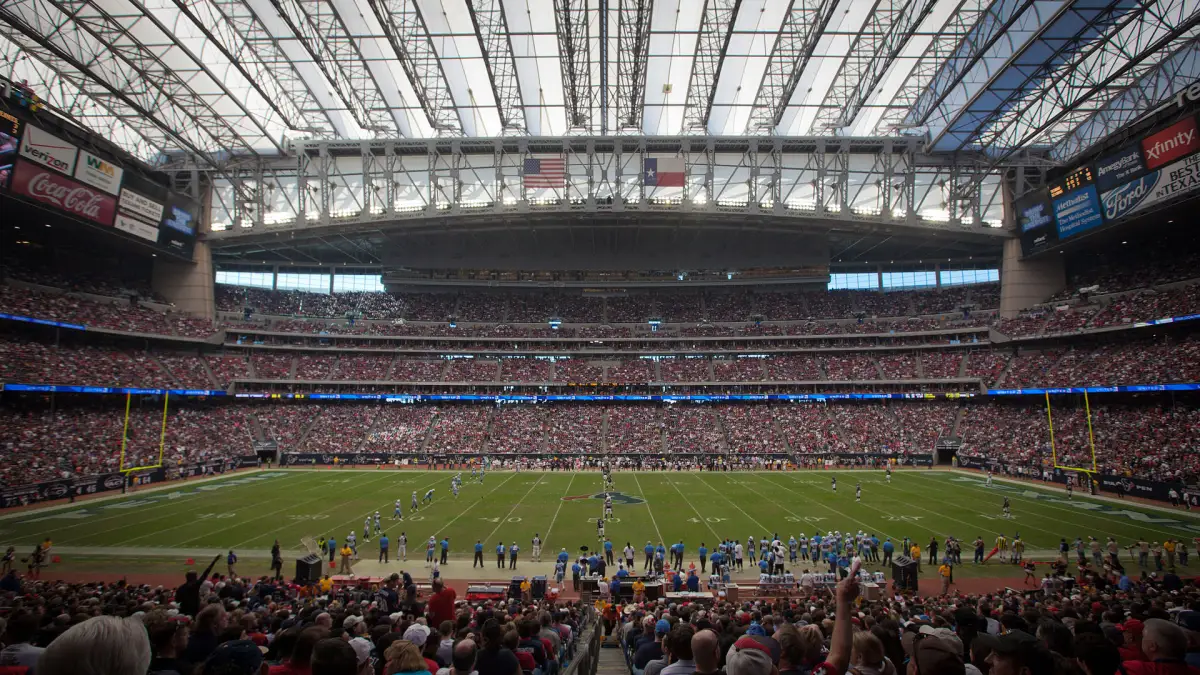
Section 112 NRG Stadium: The NFL Scandal
Professional sports stadiums are temples of entertainment, community, and high-stakes athletic competition. However, they can also become breeding grounds for chaos when crowd control fails and viral media takes over. Recently, football fans and sports analysts alike have found themselves captivated by a developing controversy centered around Section 112 NRG Stadium: The Scandal That's Rocking the NFL. What started as an isolated incident in the stands quickly erupted into a massive public relations headache, drawing scrutiny to stadium operations, unruly fan behavior, and how the league handles off-field security breaches.

To understand the magnitude of this story, we need to look beyond the sensational headlines and examine the facts. In this article, we break down what actually happened, why it resonated so deeply with the public, and what the long-term consequences might be for NFL venue policies nationwide.
The Incident: What Happened in Section 112?
NRG Stadium in Houston, Texas, is renowned for hosting massive sporting events, concerts, and Houston Texans home games. However, a specific Sunday afternoon matchup transformed a routine game day into the epicenter of a league-wide discussion. Cell phone footage captured a chaotic physical altercation involving multiple spectators within the lower bowl seating area.
The disturbance quickly escalated past typical rowdy fan behavior. Witnesses reported a delayed response from venue security and stadium staff, allowing the confrontation to intensify before law enforcement finally intervened. Within hours, clips of the brawl flooded social media platforms like X (formerly Twitter), TikTok, and Reddit. The prominent visibility of the seating markers in the footage permanently tied the event to Section 112 NRG Stadium, making the location a trending topic across the country.
Key Elements of the Viral Video
- Delayed Intervention: Security personnel appeared overwhelmed, raising questions about staffing levels and rapid-response protocols in lower-bowl luxury and premium sections.
- Bystander Reactions: Surrounding fans struggled to safely evacuate the immediate row, highlighting the cramped nature of stadium seating during high-stress incidents.
- Digital Amplification: High-definition video angles captured clear facial features, leading to swift online sleuthing and subsequent legal identification of the individuals involved.
Fallout and Public Reaction
The immediate aftermath of the incident triggered widespread concern regarding fan safety inside NFL venues. While sports leagues often promote a family-friendly environment, incidents like the one tied to Section 112 NRG Stadium remind the public of the volatile mix of alcohol, high emotions, and packed crowds.
Video: Footage of brawls captured at NRG Stadium watch party as Texans’ season ends with playoff loss

Season ticket holders expressed outrage, demanding to know how unauthorized individuals gained access to restricted rows or why aggressive behavior was permitted to escalate without immediate ejection. In response, local law enforcement issued statements detailing subsequent arrests and permanent stadium bans for the primary instigators. Yet, public scrutiny did not stop at individual accountability; it shifted heavily toward institutional responsibility.
The Broader NFL Stadium Security Debate
The controversy in Houston is not happening in a vacuum. Over the past few seasons, NFL stadiums across the country have reported an uptick in fan altercations. League executives and stadium operators face mounting pressure to balance the desire for high-energy, immersive game-day atmospheres with the absolute necessity of public safety.
How Stadiums Are Responding
In the wake of viral incidents, venue management teams are re-evaluating their operational strategies:
- Enhanced Surveillance: Upgrading closed-circuit television (CCTV) networks to monitor crowd dynamics in real time before minor disputes become physical brawls.
- Increased Security Presence: Deploying visible law enforcement and private security personnel closer to high-risk seating areas, particularly in sections known for high alcohol consumption.
- Zero-Tolerance Policies: Streamlining the reporting process so fans can discreetly text stadium security to flag unruly behavior before it boils over.
Lessons Learned from Section 112 NRG Stadium
Ultimately, the ongoing discourse surrounding Section 112 NRG Stadium serves as a stark reminder for sports organizations. Modern fans carry powerful recording devices in their pockets at all times. Accountability is no longer optional, and operational failures are exposed to a global audience within seconds.
As the NFL and stadium operators implement stricter protocols, the hope is that incidents like this will become increasingly rare. For now, the events at NRG Stadium stand as a pivotal case study in modern sports security, reminding everyone that the safety of the game extends far beyond the green turf of the field.