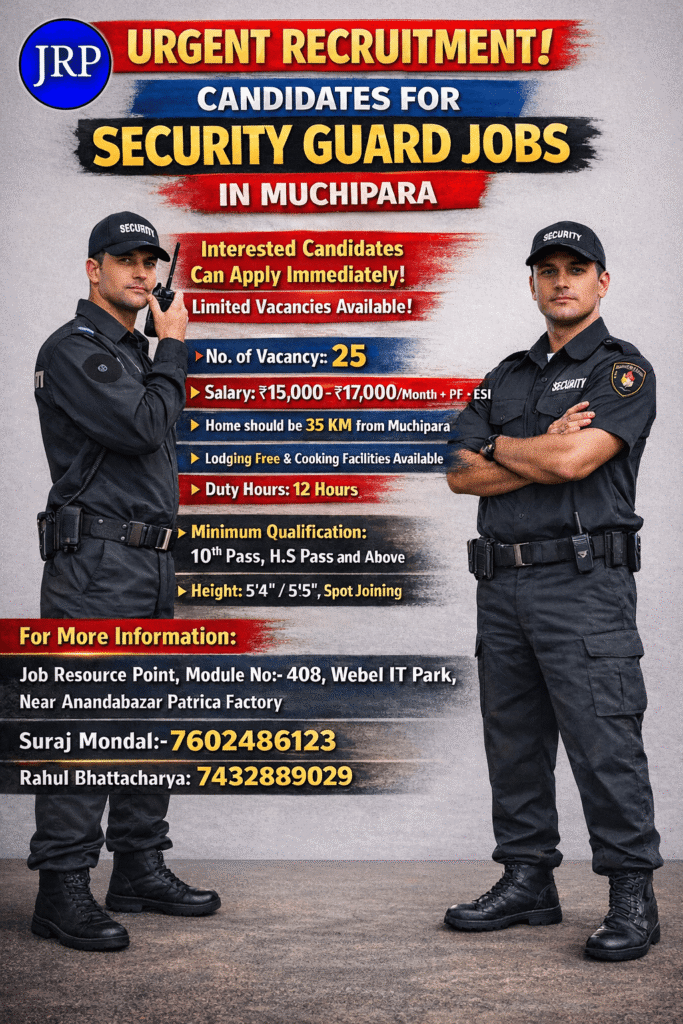
Security Guard Jobs: Requirements, Pay, and Career Guide
Entering the private protection industry can be a smart, stable career move. Whether you are looking for part-time entry-level work or a long-term management path, security guard jobs offer diverse opportunities across retail, corporate, healthcare, and residential sectors. Demand for trained security personnel remains high as businesses and property managers prioritize safety and loss prevention.

This guide breaks down what it takes to land a role, the different types of positions available, and how to maximize your earning potential in the field.
Understanding Security Guard Jobs and Daily Duties
Security guards are responsible for protecting property, enforcing rules on the premises, and deterring illegal or inappropriate activity. Daily responsibilities vary depending on the specific site, but most guards handle a core set of duties.
- Monitoring surveillance equipment and alarm systems
- Access control (checking IDs, issuing visitor badges, managing parking)
- Patrolling premises regularly on foot or in vehicles
- Writing detailed incident reports following disturbances or emergencies
- Providing customer service and directions to visitors or tenants
Key Requirements and Licensing
Before applying for security guard jobs, you must meet certain federal, state, and employer-mandated criteria. While exact laws vary by region, most jurisdictions share common prerequisites.
Basic Qualifications
Employers generally look for candidates who meet these minimum standards:
- At least 18 to 21 years of age (higher age limits often apply for armed roles)
- A high school diploma or GED equivalent
- A clean criminal background check
- Pass a drug screening
- Reliable transportation and a valid driver's license (especially for mobile patrol roles)
State Licensing and Training
Most U.S. states and Canadian provinces require security officers to be licensed. This typically involves completing a state-approved training course that covers legal powers, conflict resolution, emergency response, and report writing. Once you complete the basic training and pass a background check, you receive your guard card or license.
Types of Security Positions
Not all security guard jobs are the same. Your work environment will dictate your day-to-day experience, hazard levels, and pay rate.

- Retail and Mall Security: Focuses heavily on customer service, crowd control, and loss prevention. You will spend a lot of time on your feet walking the floor.
- Corporate and Commercial Real Station: Involves monitoring front desks, screening visitors in office buildings, and maintaining a professional, polite presence.
- Industrial and Warehouse: Often centered around perimeter checks, truck logging at shipping gates, and protecting high-value inventory overnight.
- Healthcare Security: Requires strong interpersonal and de-escalation skills to handle tense situations in hospitals and emergency rooms.
- Event Security: Temporary or contract work focused on concerts, sports games, and festivals, managing crowds and checking tickets.
Unarmed vs. Armed Security Guard Jobs
One of the biggest choices you will make in this career is whether to pursue unarmed or armed positions.
Unarmed roles make up the majority of entry-level positions. They focus on observation, reporting, and deterrence. Because they carry lower liability, the training period is shorter, though pay rates tend to be modest.
Armed security guard jobs require carrying a firearm. Because of the inherent risks, these roles demand rigorous psychological screening, extensive firearms training, and specialized permits. However, armed guards often command significantly higher hourly wages, frequently working at banks, high-end jewelry stores, government facilities, or executive protection details.
Salary and Earning Potential
How much do security professionals make? Compensation varies based on location, experience, industry, and whether the position is armed.
Entry-level unarmed positions typically start near minimum wage or slightly above. However, with experience, specialized certifications, and supervisory responsibilities, earnings increase. Armed guards, nuclear facility guards, and corporate executive protection specialists often earn well above the national median for protective service occupations.
Working overnight shifts (graveyard shifts) or holidays also frequently comes with shift differentials, boosting your weekly paycheck.
Tips for Landing a Security Job
If you are ready to start applying, keep these practical tips in mind to stand out from other applicants:
- Obtain your license first: Many employers prefer hiring candidates who already possess a valid state guard card, as it saves them onboarding time and money.
- Highlight transferable skills: If you have experience in customer service, military, law enforcement, retail, or emergency medical response, emphasize it on your resume.
- Focus on presentation: Security is a visual deterrent. Showing up to interviews well-groomed, punctual, and professionally dressed proves you understand the expectations of the role.
- Get certified in CPR/AED and First Aid: Having basic medical certifications makes you infinitely more employable and opens doors to higher-paying posts.
Security guard jobs offer a reliable entry point into the safety and protection industry. By obtaining the proper licensing, building a clean work history, and seeking out specialized training, you can turn a basic guard position into a rewarding, long-term career.