Senior Construction Project Manager Salary Guide
Understanding the Senior Construction Project Manager Salary Landscape
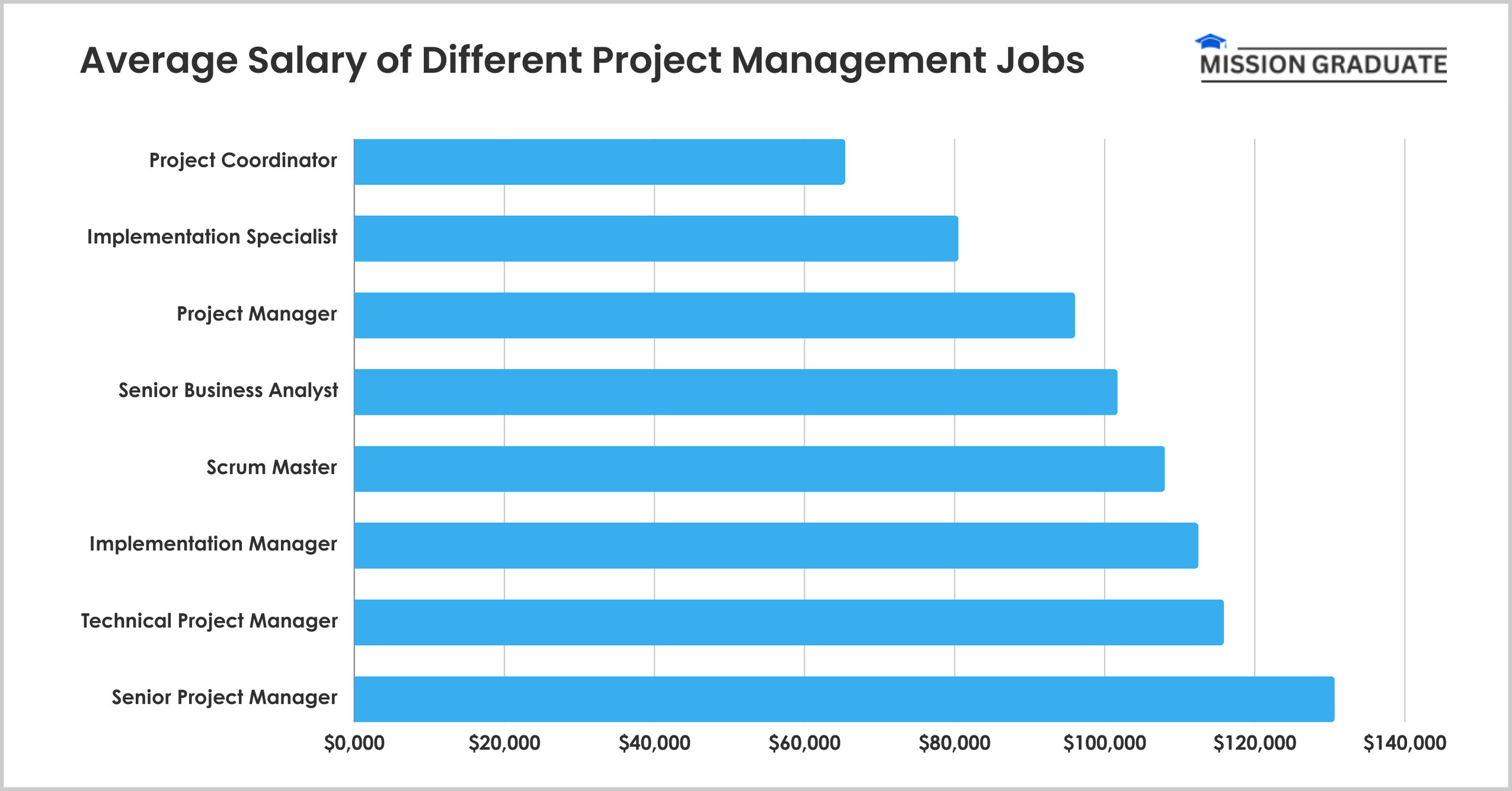
Stepping into a senior leadership role on a job site brings immense responsibility, complex challenges, and—crucially—a significant jump in compensation. Evaluating a senior construction project manager salary requires looking at a wide array of variables, including geographic location, project scale, industry sector, and total years of experience. As infrastructure demands grow and commercial building booms continue, compensation packages for seasoned professionals in this role remain highly competitive.
On average, professionals in this tier earn anywhere from $120,000 to over $170,000 per year in the United States, with top earners in major metropolitan areas or specialized sectors clearing the $200,000 mark when bonuses and profit-sharing are included. However, a single national average rarely tells the whole story. To truly understand what you should be earning—or what you should budget for when hiring—you need to break down the specific drivers behind these compensation figures.
Key Factors Influencing Compensation
Compensation packages are rarely one-size-fits-all. Employers weigh several distinct variables before extending an offer to a candidate for this senior-level position.
Geographic Location and Cost of Living
Where a project is located dramatically impacts salary ranges. Major urban centers with high costs of living and massive infrastructure projects—such as New York City, San Francisco, Los Angeles, and Seattle—offer significantly higher base pay compared to rural areas or smaller cities. A senior project manager working in Manhattan might command a salary 20% to 30% higher than the national median to offset local labor rates and the sheer complexity of urban logistics.
Industry Sector and Project Type
The type of construction you manage plays a massive role in your earning potential:
Video: Construction Project Manager Salaries

- Commercial & Corporate: High-rise office buildings, retail centers, and hospitality projects typically offer robust mid-to-high six-figure salaries.
- Industrial & Manufacturing: Cleanrooms, advanced manufacturing facilities, and warehouse distribution centers require specialized technical knowledge, often translating to higher pay.
- Heavy Civil & Infrastructure: Bridges, highways, tunnels, and public works managed by major general contractors often feature substantial government budgets and lucrative compensation structures.
- Residential: While high-end custom residential projects can pay well, multi-family residential construction managed by major developers generally provides more consistent, higher-tier salaries.
Education, Certifications, and Experience
Beyond time spent in the field, credentials carry substantial weight in compensation negotiations. Employers look favorably upon specific qualifications, including:
- A bachelor's degree in Construction Management, Civil Engineering, Architecture, or a related field.
- Industry-recognized credentials such as the Project Management Professional (PMP) designation from the Project Management Institute or Certified Construction Manager (CCM) from the Construction Management Association of America.
- Mastery of modern construction technology, including Building Information Modeling (BIM), advanced scheduling software (Primavera P6, MS Project), and enterprise resource planning (ERP) tools.
Base Salary vs. Total Compensation Packages
When evaluating a senior construction project manager salary, looking strictly at the base pay can be misleading. Total compensation often includes a variety of performance-based incentives and benefits that can add $20,000 to $50,000+ to your annual earnings.
- Performance Bonuses: Tied to project profitability, safety milestones, and schedule adherence. Exceptional performance can yield bonuses ranging from 10% to 30% of the base salary.
- Vehicle Allowances or Company Trucks: Essential for visiting multiple job sites, these perks often include fuel cards and insurance coverage.
- Profit Sharing and Equity: Common in medium-to-large general contracting firms, allowing long-term employees to share in the company's financial success.
- Health and Retirement Benefits: Comprehensive medical, dental, vision, and 401(k) matching programs that protect and build your long-term wealth.
How to Maximize Your Earning Potential
If you are looking to elevate your income within this career path, strategic planning is essential. Moving up from a standard project manager to a senior role requires deliberate skill acquisition and positioning.
First, target complex projects. Managing a $50 million healthcare facility or a complex transit hub proves you can handle high-stakes environments, making you infinitely more valuable to employers. Second, master risk management and preconstruction services. Contractors value professionals who can accurately estimate costs, negotiate favorable subcontracts, and mitigate supply chain disruptions before they eat into profit margins.
Finally, do not shy away from negotiation. When changing companies or reviewing your annual performance, come prepared with hard data demonstrating how your leadership kept projects under budget and ahead of schedule. Armed with market research on regional benchmarks and your own proven track record, you can secure a compensation package that accurately reflects your value in today's construction industry.


