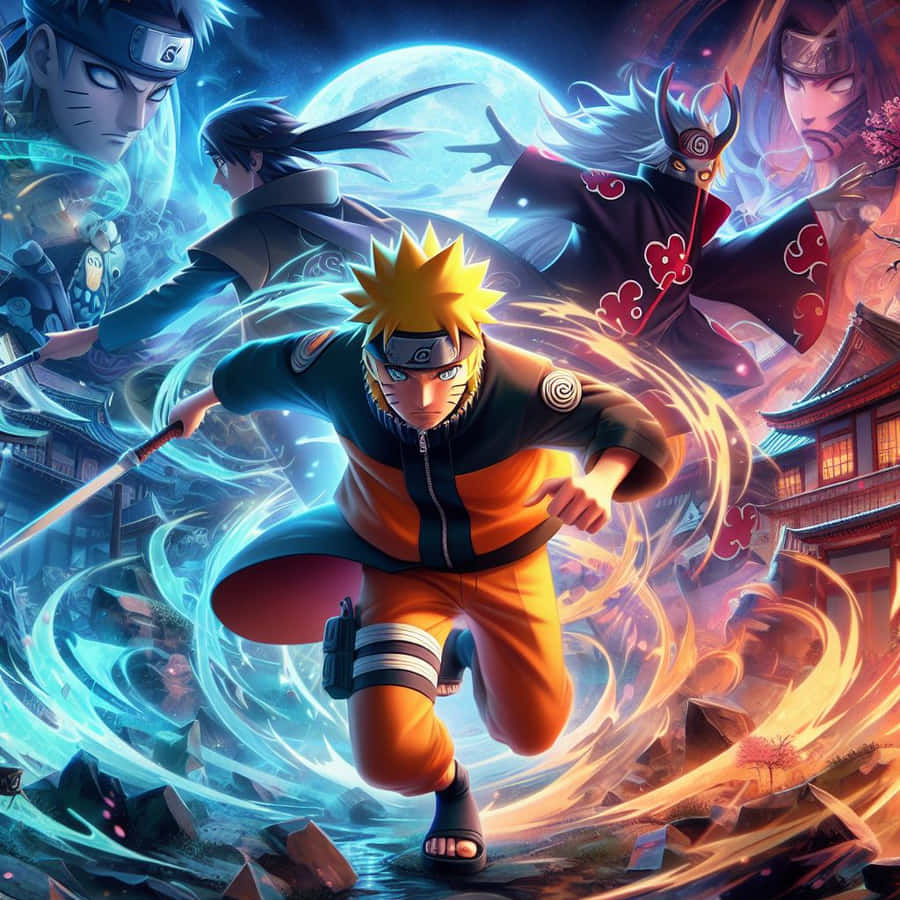
Shippuden Definition: What the Naruto Title Means
When anime fans transition from the original Naruto series to its darker, faster-paced sequel, the addition of a single word changes the entire tone: Shippuden. While millions of viewers recognize the iconic title, understanding the true shippuden definition requires looking into Japanese kanji, classical literature, and the thematic evolution of Naruto Uzumaki himself.
At its core, Shippuden (疾風伝) translates roughly to "Legend of the Gale" or "Hurricane Chronicles." It is not a random fictional term created for marketing; it is a carefully chosen compound word rooted in classical Japanese literary traditions that directly reflects Naruto's nature, abilities, and destiny.
The Shippuden Definition: Breaking Down the Kanji
To fully grasp the word, it must be separated into its individual kanji characters. In Japanese, Shippūden consists of three distinct characters:
- 疾 (Shitsu / Haya): Means rapid, swift, or fast. In classical contexts, it can also denote a sudden illness or a sudden violent motion.
- 風 (Fū / Kaze): Means wind, breeze, or gale.
- 伝 (Den / Tsutawaru): Means chronicle, legend, biography, or tale handed down through generations.
When combined, the first two characters create the compound noun 疾風 (Shippū). In standard Japanese, shippū refers to a violent, swift gale or a sudden hurricane-force wind. Because of phonetic assimilation in Japanese (known as rendaku and gemination), the ending "tsu" sound merges with the "f" sound to produce the double-p sound, transforming "shitsu-fū" into "shippū".
The final character, 伝 (den), is a well-established suffix in Japanese storytelling. When added to the end of a title, it functions similarly to "chronicles," "annals," or "the biography of." Thus, Shippū (swift wind/hurricane) + Den (chronicle/legend) creates Shippūden: The Chronicles of the Hurricane.
The Literary Tradition of the Suffix "-Den"
Creator Masashi Kishimoto did not invent the "-den" structure. It has been used for centuries across East Asian historical writing and epic fiction. Understanding this tradition shows how ambitious Kishimoto was when labeling Part II of the animated adaptation.
Classical Japanese and Chinese epics frequently append -den (or Chinese zhuàn) to signify an epic historical saga. Notable examples include:
- Suikoden (水滸伝): The Japanese name for Water Margin, one of the Four Great Classical Novels of Chinese literature.
- Nansō Satomi Hakkenden (南総里見八犬伝): An epic 106-volume Japanese samurai novel from the 19th century detailing the lives of eight dog-warriors.
- Hokuto no Ken: Raoh Gaiden (外伝): Where gaiden denotes a "side-story" or "supplementary chronicle."
By naming the series Shippuden, the producers elevated the story from a typical shonen adventure about a delinquent orphan to an expansive, mythic chronicle about a figure destined to alter world history.
Why Masashi Kishimoto Chose the Name
The subtitle Shippuden was introduced specifically for the anime adaptation of the manga's second part. In the original manga, the entire 700-chapter run was titled simply NARUTO. However, Studio Pierrot and Kishimoto wanted a subtitle for the post-time-skip television broadcast to signify the massive tonal and chronological leap.
Kishimoto selected this specific imagery for several interconnected narrative reasons.

1. Naruto's Chakra Nature
During the earlier arcs of the sequel series, Kakashi Hatake introduces Naruto to elemental chakra training. Naruto discovers that his innate elemental affinity is Wind Release (Fūton). Wind is the rarest of the five basic nature transformations in the Hidden Leaf Village, cutting through hard defenses and providing immense offensive cutting power.
His signature ultimate technique, the Rasenshuriken, directly weaves wind chakra into an unstable, screaming storm of microscopic blades. Naruto is literally a warrior of the wind.
2. The Symbolism of the Spiral
Naruto's family name is Uzumaki (うずまき), which translates directly to "whirlpool" or "spiral." Throughout the series, the spiral represents both the Uzumaki clan's legacy and the cyclical nature of hatred within the shinobi world.
A whirlpool is a spiral made of water, but when combined with Naruto's wind affinity, a spiral transforms into a cyclone, typhoon, or hurricane. Thus, Naruto himself is the shippū—the unstoppable, spiraling gale destined to tear through corruption, bring peace, and sweep away the grief left behind by previous generations.
3. The Contrast with Sasuke Uchiha
Naruto's narrative foil, Sasuke Uchiha, wields Fire Release (Katon) and Lightning Release (Raiton). In Japanese natural philosophy and elemental physics, fire is fueled and fanned into a raging inferno by wind. Alternatively, an overwhelming wind can extinguish a flame entirely.
The title subtly foreshadows how Naruto's growing power as a "hurricane" will ultimately catch up to, fuel, and balance Sasuke's destructive, fire-fueled pursuit of vengeance.
Common Misconceptions About the Word Shippuden
Because Japanese kanji carry multiple layers of interpretation, non-Japanese speakers frequently encounter mistranslations and misunderstandings regarding the word.
- Misconception 1: It means "Ninja Storm." While video game adaptations popularized the subtitle Ultimate Ninja Storm, "shippū" specifically denotes a swift gale or hurricane, not a thunder-and-rain storm.
- Misconception 2: It signifies "Rebirth" or "Shippuden Shippu." Some early fan forums speculated that the word meant Naruto's rebirth after his two-and-a-half-year training trip with Jiraiya. The word has no linguistic link to rebirth, revival, or resurrection.
- Misconception 3: The manga was also called Naruto Shippuden. The manga never officially carried this title. Throughout its 15-year publication in Weekly Shonen Jump, the comic remained strictly NARUTO. The Shippuden label was applied exclusively to the anime adaptation covering Chapters 245 through 700.
Summary: A Title Built on Meaning
The word Shippuden is far more than a catchy anime subtitle. It represents a precise linguistic fusion of classical epic storytelling (-den) and thematic character development (shippū). When translated as the "Chronicles of the Hurricane," it encapsulates Naruto Uzumaki's journey from an ignored breeze into an unstoppable natural force that reshaped the ninja world forever.