Shocking Details on Vatican City’s True Wealth
For centuries, the financial holdings of the world’s smallest sovereign state were cloaked in strict secrecy, fueling sensational conspiracy theories of boundless vaults filled with bullion and hidden ownership of global corporations. However, recent unprecedented financial reforms and official balance sheet disclosures have finally pulled back the curtain, uncovering shocking details on Vatican City’s true wealth: the numbers that surprised the world. Rather than infinite liquid riches, the real figures reveal an intricate, asset-heavy institution navigating serious operational deficits, thousands of international properties, and conservative investment portfolios.

The Great Distinction: Holy See vs. Vatican City State
To understand the Vatican’s financial standing, one must distinguish between its two distinct legal and operational entities:
- The Holy See (Santa Sede): The supreme governing body of the global Catholic Church and sovereign diplomatic entity. It includes the Roman Curia, diplomatic nunciatures worldwide, and administrative dicasteries. The Holy See historically runs an operational deficit.
- Vatican City State (Stato della Città del Vaticano): The physical 108-acre territory established by the 1929 Lateran Treaty. It generates autonomous revenue through the Vatican Museums, post office, souvenir sales, parking, and duty-free retail, typically generating a surplus that subsidizes the Holy See.
Combining both entities with the Vatican Bank, independent estimates and audited disclosures put the total measurable net asset value of the central Vatican apparatus at roughly €4 billion to €5 billion ($4.3 billion to $5.4 billion). While substantial, this total is smaller than the endowments of major American universities like Harvard or Yale, dispelling the myth of endless liquidity.
Shocking Details on Vatican City’s True Wealth: The Numbers That Surprised the World
When the Administration of the Patrimony of the Apostolic See (APSA) and the Secretariat for the Economy published their landmark consolidated financial statements under the direction of Pope Francis, financial analysts and church historians were stunned by the exact composition of the Holy See’s balance sheet.
1. The 5,000+ Property Global Real Estate Portfolio
The Vatican’s primary store of physical wealth lies in land and bricks. APSA’s detailed inventory revealed ownership of more than 5,300 properties worldwide:
- 4,051 properties across Italy: Approximately 92% are located in and around Rome, encompassing residential apartments, commercial offices, retail shops, and operational buildings.
- 1,120 high-value properties internationally: Concentrated in premier districts of London, Paris, Geneva, and Lausanne, managed through specialized holding entities.
Surprisingly, a massive portion of this Italian real estate produces negligible commercial profit. Roughly 40% of the properties house administrative offices, schools, and clinics, while hundreds of residential apartments are leased to Vatican staff and retired clergy at subsidized rates up to 75% below market value.
2. The Vatican Bank: Modest Assets, Cleaned-Up Ledgers
The Institute for the Works of Religion (IOR), commonly known as the Vatican Bank, was long suspected of holding tens of billions in untraceable funds. Following sweeping anti-money laundering reforms overseen by MONEYVAL (the Council of Europe’s monitoring body), the IOR closed thousands of suspicious or inactive accounts.
Today, the IOR manages approximately €5.2 billion ($5.6 billion) in total client assets across roughly 12,000 customers. These accounts belong strictly to religious orders, Catholic charities, dioceses, and Holy See personnel. The bank’s actual net equity stands at approximately €600 million to €700 million, producing an annual net profit that usually hovers between €20 million and €35 million, transferred directly to the Pope for church operations.
3. The "Priceless" Paradox: Why Masterpieces Are Valued at €1
Video: The Vatican’s Unimaginable Wealth

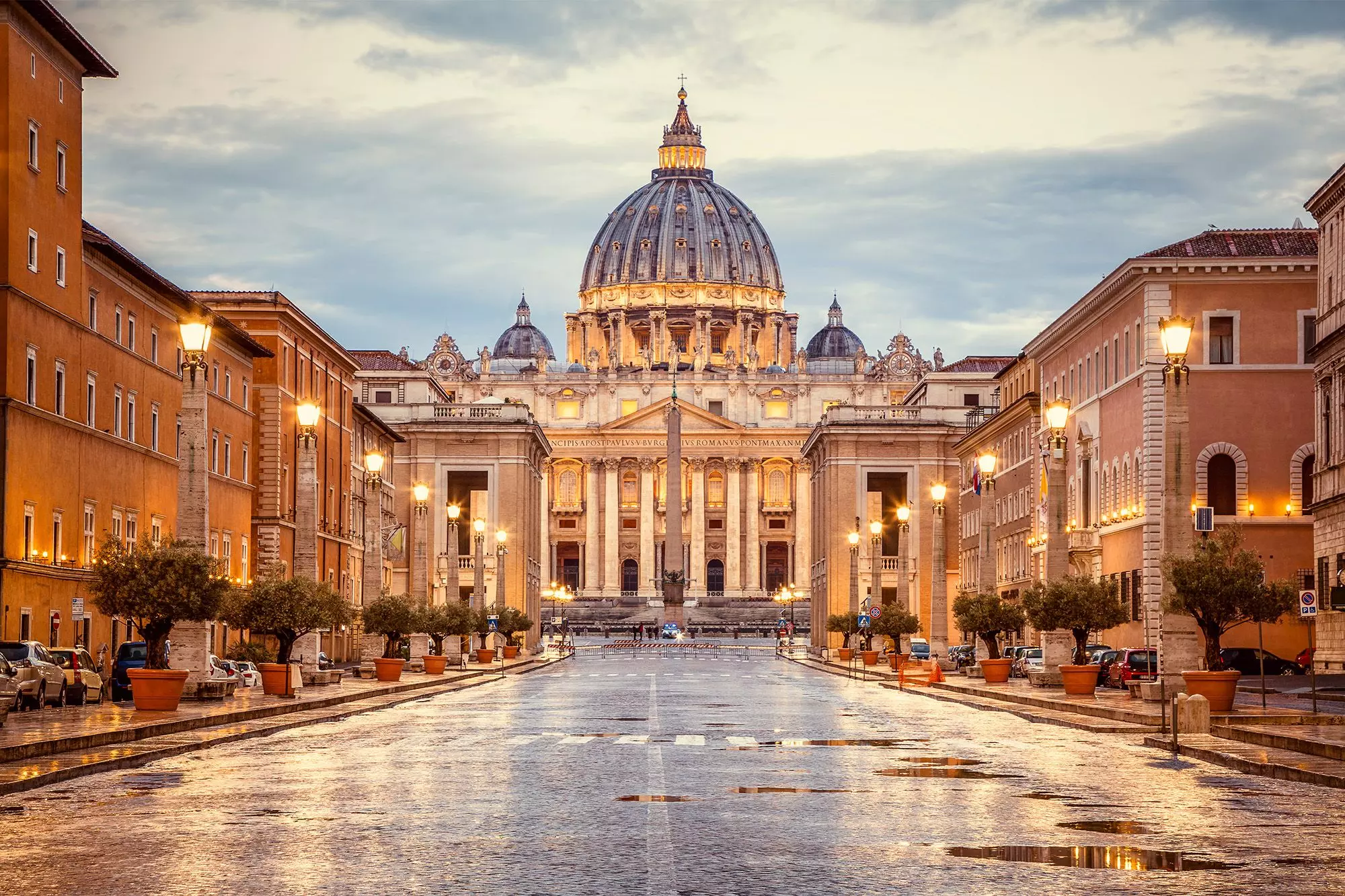
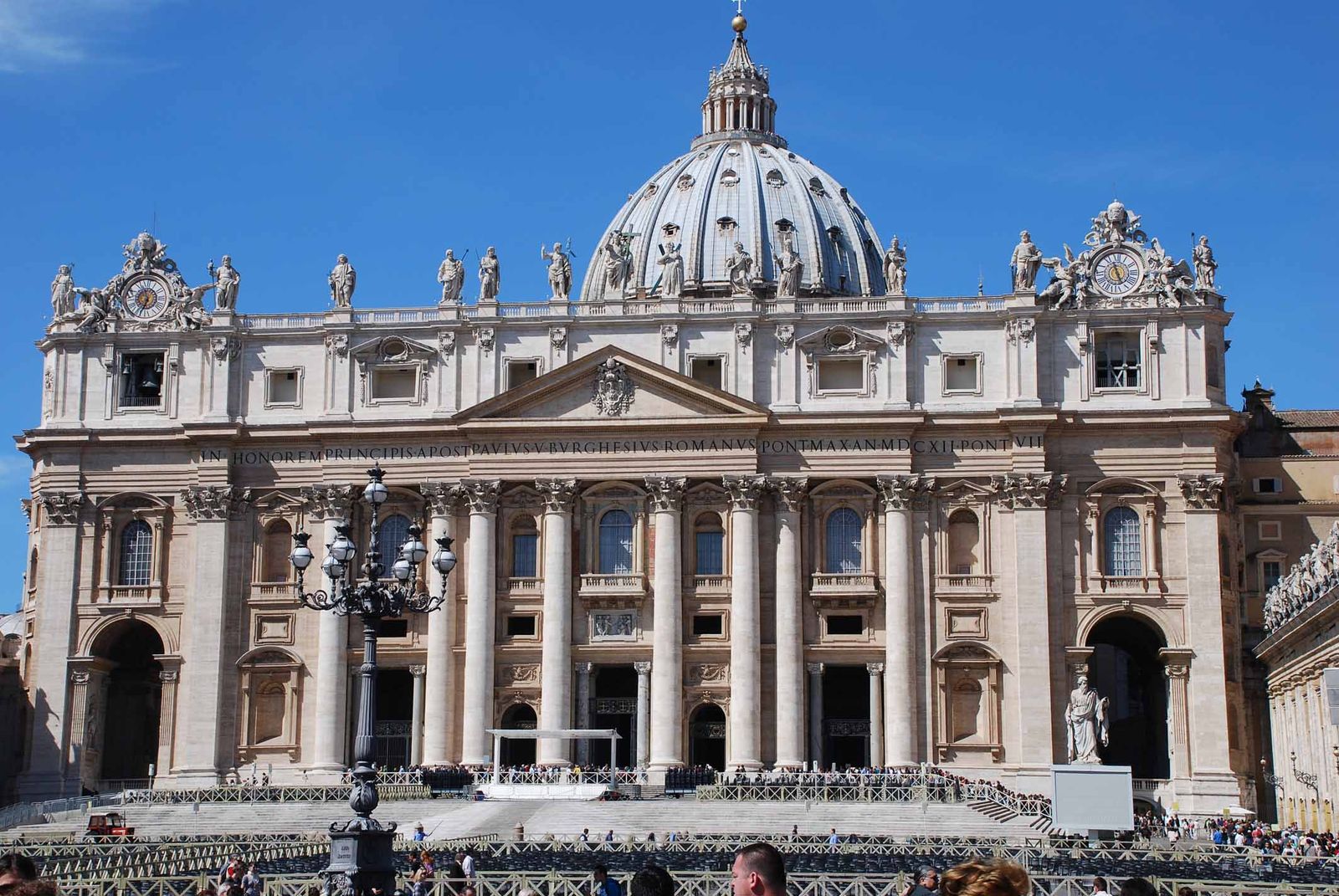
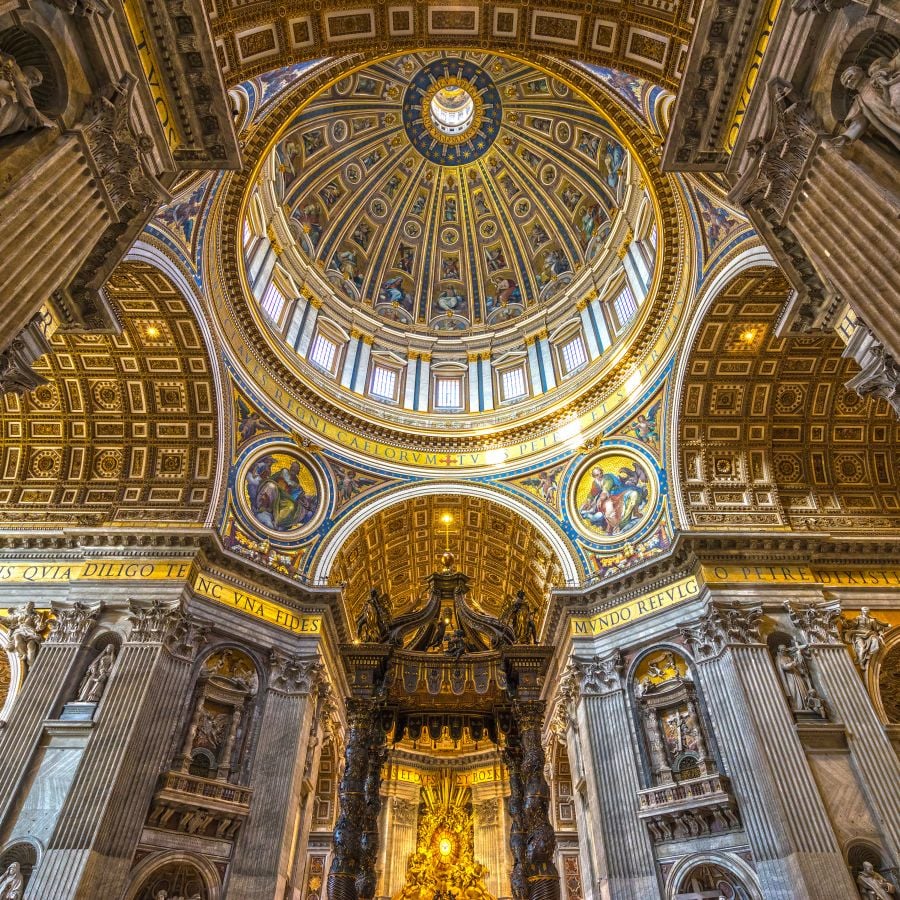
Perhaps the most startling detail on the Vatican’s audited balance sheet is the accounting valuation of its most famous assets. St. Peter’s Basilica, the Sistine Chapel, the Raphael Rooms, and ancient manuscripts in the Apostolic Archive are officially entered on the ledger at a value of exactly €1.
Under international public-sector accounting standards, an asset can only carry a capital balance if it can be liquidated or pledged as collateral. Because international treaties, Italian law, and canon law declare these artistic and historical treasures permanently inalienable, they cannot be sold, mortgaged, or commercialized. Consequently, they contribute zero liquid wealth to the Vatican’s operational coffers while requiring tens of millions of euros annually in structural conservation and security.
Revenues, Deficits, and the Peter’s Pence Reality
Far from operating with overflowing surpluses, the Holy See operates under persistent financial pressure. The annual operating budget for the Curia runs around €300 million to €350 million, routinely incurring annual deficits ranging from €30 million to €70 million.
The Role of Peter’s Pence
To plug this structural shortfall, the Vatican relies on Peter’s Pence (Obolo di San Pietro), the worldwide annual collection taken in Catholic parishes each June. While donors frequently assume these funds go exclusively to direct humanitarian aid for poverty or disaster relief, official reports show that only 15% to 20% typically funds immediate charitable grants. The remaining 80% to 85% is deployed directly into the Holy See’s operational budget to sustain administrative staff, diplomatic missions, and communications services.
The Museum Cash Cow
The Vatican Museums serve as the engine of practical cash flow. Attracting more than 6.5 million visitors annually during normal operating cycles, museum tickets, guided tours, and retail generate over €100 million in gross annual revenues. This income subsidizes the maintenance of the city-state's infrastructure and offsets the losses of the central administration.
The London Property Scandal and Reform Catalysts
The drive toward total disclosure was accelerated by the infamous acquisition of a luxury development property at 60 Sloane Avenue in London's Chelsea district. Handled through external brokers by the Secretariat of State, the botched transaction drained over €350 million from Holy See reserves, eventually incurring losses topping €140 million.
The fallout led to the historic Vatican trial and conviction of Cardinal Angelo Becciu and several financiers in December 2023. More importantly, it forced systemic structural changes:
- Centralized Asset Management: Pope Francis stripped individual Vatican departments of independent investment authority, ordering all funds consolidated under APSA and monitored by the IOR.
- Creation of the Investment Committee: An oversight board composed of independent international financial professionals now reviews all investments to ensure compliance with Catholic ethical standards and market liquidity benchmarks.
- Audited Public Reporting: Annual publication of APSA and Curia balance sheets is now statutory, bringing transparency to a centuries-old financial system.
The Real Wealth Equation
The true story of Vatican City’s wealth is not one of secret tranches of gold or shadowy corporate conglomerates, but rather of a unique institutional landholder with massive architectural overhead, rising pension liabilities, and finite liquidity. While the Catholic Church worldwide commands immense collective assets across tens of thousands of autonomous dioceses, the central government of the Vatican operates on an endowment comparable to a mid-sized private university—rich in cultural heritage, but tightly constrained in financial flexibility.