Shorkie Poo Guide: Temperament, Care & Traits
Small, spirited, and undeniably cute, the shorkie poo has quickly carved out a devoted following among companion dog enthusiasts. Also known as a Yorkie-Tzu-Poodle mix or Shorkie Doodle, this designer dog combines the playful tenacity of the Yorkshire Terrier, the affectionate nature of the Shih Tzu, and the brilliant intellect of the Miniature or Toy Poodle. The result is a compact, curly or wavy-coated companion built for cuddles, indoor play, and family life.

If you are considering bringing this multi-breed hybrid into your home, understanding their specific personality, maintenance demands, and genetic health profile is essential for providing them a happy, thriving environment.
What Is a Shorkie Poo? The Tri-Hybrid Heritage
Unlike first-generation crossbreeds (which blend just two purebred parents), the Shorkie Poo is typically a tri-hybrid cross. Most commonly, breeders mate a Shorkie (a Shih Tzu crossed with a Yorkshire Terrier) with a Toy or Miniature Poodle. Because three distinct lineages are present, individual puppies can display an intriguing spectrum of physical and behavioral traits.
The Influence of the Parent Breeds
- Shih Tzu: Bred historically as imperial lapdogs in China, the Shih Tzu passes down a calm, affectionate demeanor, an eagerness to cuddle, and a sturdy, compact frame.
- Yorkshire Terrier: Originally bred in England to hunt rodents, the Yorkie brings bravery, vocal expression, sharp senses, and a spirited, inquisitive attitude.
- Toy or Miniature Poodle: Famous for world-class canine intelligence, the Poodle contributes trainability, social grace, and a low-dander, tightly curled or wavy coat.
Physical Appearance and Size
Because the Shorkie Poo is not standardized by traditional kennel clubs like the AKC, their size, coat texture, and coloring depend heavily on which ancestral genes dominate.
Weight and Stature
Most Shorkie Poos stand between 6 and 11 inches tall at the shoulder and weigh anywhere from 6 to 14 pounds. If the Poodle parent was a very small Toy Poodle, the offspring may remain under 9 pounds, while a Miniature Poodle parent can yield a slightly stockier dog nearing 15 pounds.
Coat Texture and Color Diversity
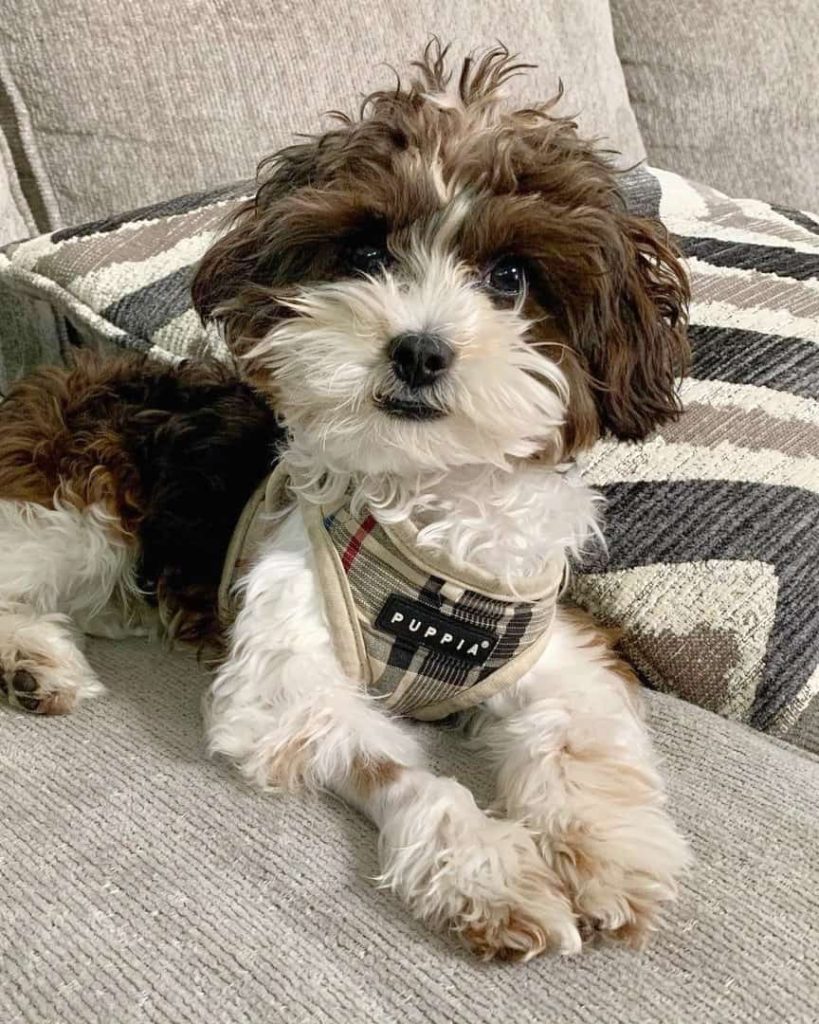
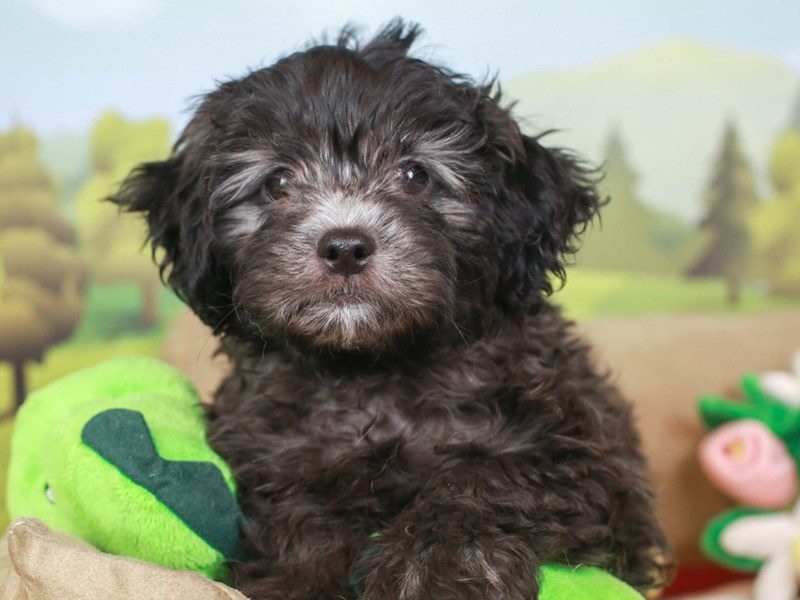
All three parent breeds feature hair rather than traditional fur, making the Shorkie Poo an exceptionally low-shedding dog often favored by individuals with mild pet allergies. Coat textures range from soft and wavy to corkscrew curls, rarely presenting as bone-straight.
Color patterns are widely varied, including:
- Solid black, chocolate, cream, or apricot
- Parti-color (white patches over a darker base)
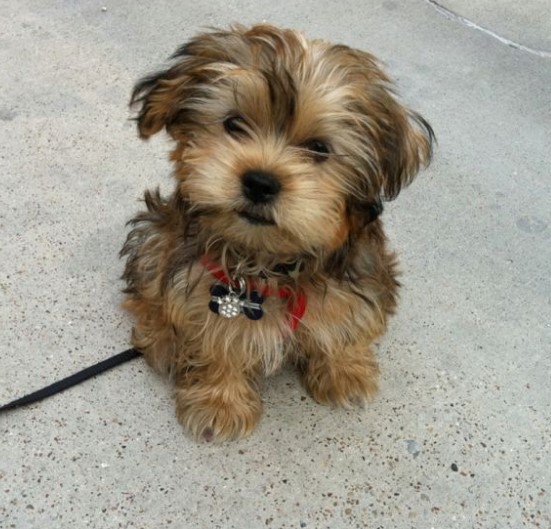
- Classic Yorkie-style black and tan
- Brindle or sable mixtures inherited from the Shih Tzu line
Temperament: Personality in a Small Package
The Shorkie Poo is renowned for having an oversized personality packed inside a tiny frame. They thrive on human companionship, rarely enjoying being left out of family activities.
Affectionate and Clingy
Expect a Shorkie Poo to become your shadow. Thanks to their companion-breed genetics, they form intense bonds with their primary handlers. While this makes them wonderfully attentive lapdogs, it also predisposes them to separation anxiety if they are not conditioned from puppyhood to enjoy independent quiet time.
Playful Yet Adaptable
These dogs possess moderate energy levels. A vigorous game of fetch in the living room combined with a short neighborhood stroll is often enough to keep them satisfied. Their modest size makes them uniquely suited for apartment and condominium living, provided their mental stimulation needs are met.
Alert and Vocal
With Yorkshire Terrier heritage comes an alert watchdog instinct. Shorkie Poos will readily bark to announce visitors, strange sounds, or parcel deliveries. Early socialization and proactive boundary training are vital to prevent this alert behavior from spiraling into nuisance barking.
Training and Socialization Needs
While the Poodle lineage lends high intelligence and quick comprehension to the mix, the stubborn streak of the Shih Tzu and the feisty independence of the Yorkie can occasionally complicate obedience sessions.
Positive Reinforcement Is Crucial
Shorkie Poos are sensitive creatures. Harsh corrections or raised voices will often cause them to withdraw, hide, or display nervous behaviors. Keep training sessions brief (5 to 10 minutes), upbeat, and consistently rewarded with high-value treats and enthusiastic praise.
Tackling Potty Training Early
Small toy breeds are notoriously difficult to housebreak due to their tiny bladders. Implement a structured routine from day one:
- Take your puppy outside immediately upon waking, after eating, and following play sessions.
- Use crate training as a safe resting zone that discourages indoor accidents.
- Maintain patience and consistent outdoor cues; complete reliability can take four to six months.
Grooming Requirements
While low-shedding, the Shorkie Poo is by no means low-maintenance when it comes to coat care. Their fine, soft hair mats easily if neglected.
Daily Brushing
Use a slicker brush and a metal comb to gently detangle the coat at least three to four times a week. Pay close attention to friction zones: behind the ears, under the armpits, and around the tail base, where painful mats form rapidly.
Professional Grooming
Most owners take their dog to a professional groomer every 6 to 8 weeks for a sanitary trim, face tidy, and coat reset. Popular styles include the practical "puppy cut" (a uniform, short trim across the body) or a rounded "teddy bear face" that highlights their expressive eyes.
Dental and Ear Care
Because toy dogs have crowded dentition, plaque accumulates quickly. Brush their teeth several times weekly with canine enzymatic toothpaste to prevent periodontal disease. Additionally, since Poodle-mix ears fold over and may grow hair inside the canal, inspect and gently wipe their ears weekly to avoid trapped moisture and yeast infections.
Health and Lifespan
The typical lifespan of a healthy Shorkie Poo ranges between 12 and 16 years. While hybrid vigor can reduce the prevalence of some breed-specific diseases, they are still vulnerable to conditions common across toy and designer breeds:
- Patellar Luxation: A condition where the kneecap slips out of its groove, common in Yorkies and Toy Poodles.
- Tracheal Collapse: A weakness in the cartilage rings of the windpipe. Always walk your dog on a step-in harness rather than attaching a leash directly to their collar.
- Dental Crowding: Accelerated tartar buildup and premature tooth loss.
- Progressive Retinal Atrophy (PRA) and Cataracts: Eye issues seen across both Poodle and Shih Tzu lines.
- Allergies: Food sensitivities and environmental skin allergies causing itchy paws or inflamed ears.
Is a Shorkie Poo Right for You?
The Shorkie Poo makes an extraordinary companion, but their specific needs do not match every lifestyle. They are ideal for:
- Remote workers or retirees who spend most of the day at home.
- Apartment dwellers looking for an affectionate, compact dog that does not need a large yard.
- Families with older children who understand how to handle small-boned toy pets safely.
If you are prepared for regular coat maintenance, willing to establish firm but kind house rules, and ready for an adoring shadow that follows you from room to room, the Shorkie Poo will reward your dedication with unconditional devotion and endless entertainment.