Shure SRH440 Headphones Review: Still Worth It?
Introduction to Shure SRH440 Headphones

When searching for reliable entry-level studio gear, few models command as much respect as the shure 440 headphones. Designed primarily for home recording, podcasters, and tracking musicians, these closed-back monitors have earned a reputation for delivering honest, uncolored sound without demanding a professional-studio budget.
Over the years, the headphone market has flooded with consumer-focused alternatives boasting boosted bass and Bluetooth connectivity. However, the SRH440 remains a steadfast tool for creators who need to hear their audio accurately. In this review, we will examine how these wired monitors perform in terms of build quality, ergonomics, and—most importantly—sound reproduction.
Design, Build Quality, and Comfort
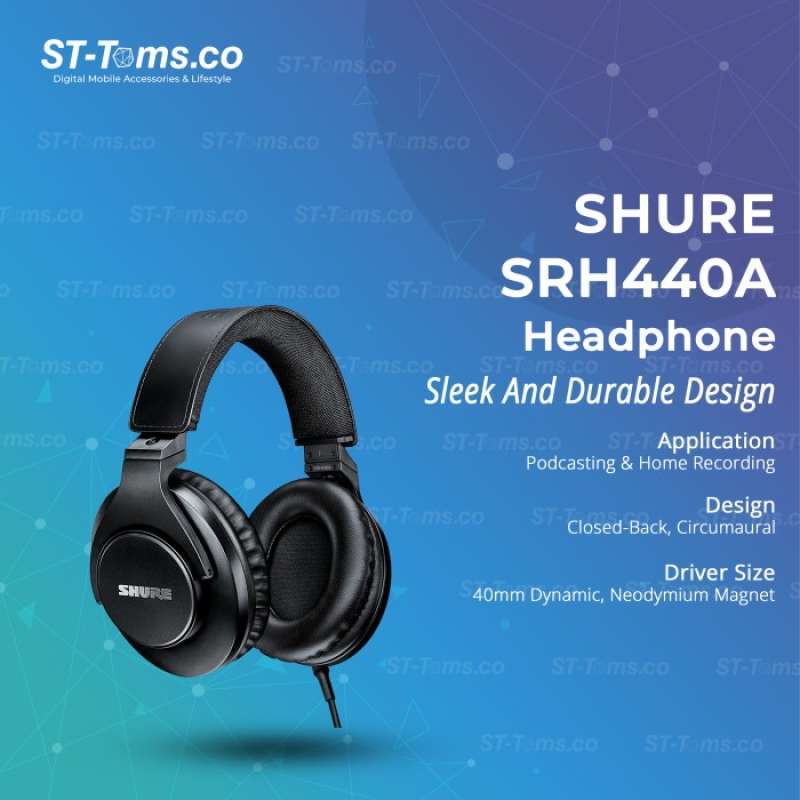
At first glance, the Shure SRH440 headphones prioritize function over high-fashion aesthetics. Constructed predominantly from durable matte black plastic with reinforced stress points, they are built to withstand the rigors of daily studio use.
Portability and Cable Design
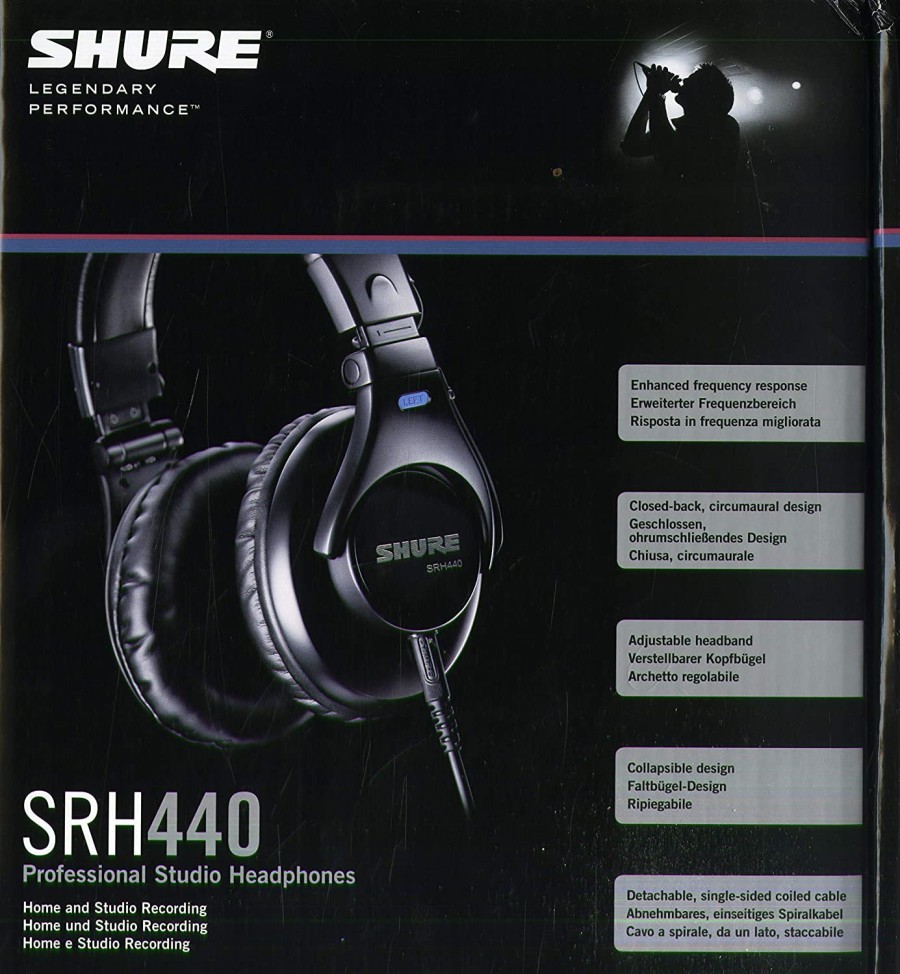
One of the standout practical features is the collapsible design. The earcups fold inward toward the headband, making it easy to slip the headphones into a backpack or gear bag. Additionally, the SRH440 features a detachable, single-sided coiled cable. A coiled cable prevents tangles and provides extra reach if you are moving around a mixing desk or recording booth. If the cable ever gets damaged, you can easily replace it without buying a whole new pair of headphones.
Ergonomics and Long Sessions
Comfort is always a critical factor for long mixing or tracking sessions. The headband features a moderate amount of padding, and the protein leather ear cushions are reasonably soft. Because these are closed-back headphones meant for isolation, the clamp force is relatively snug. While this creates an effective seal against outside noise, users with larger heads might experience some fatigue after two or three hours of continuous wear.
Sound Performance Analysis
The defining characteristic of the shure 440 headphones is their sonic signature. Unlike consumer headphones that emphasize low-end rumble and sparkly treble, Shure tuned the SRH440 for analytical listening.
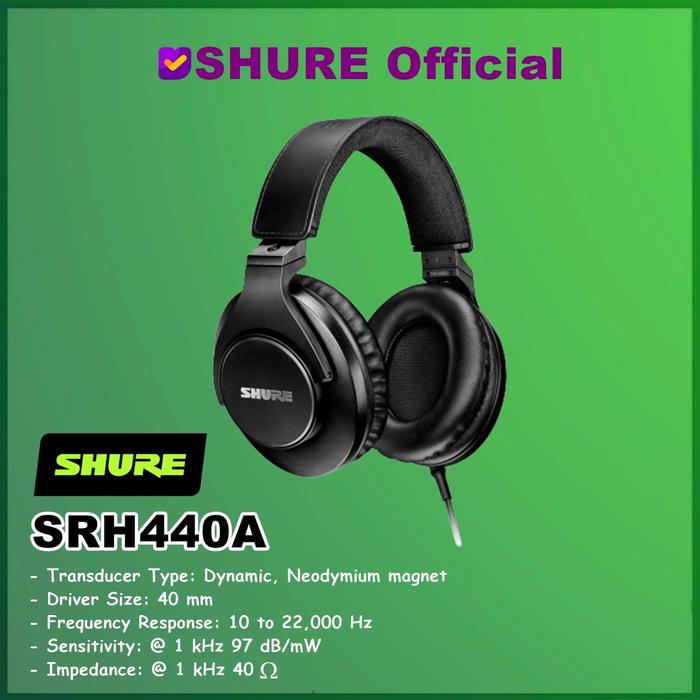
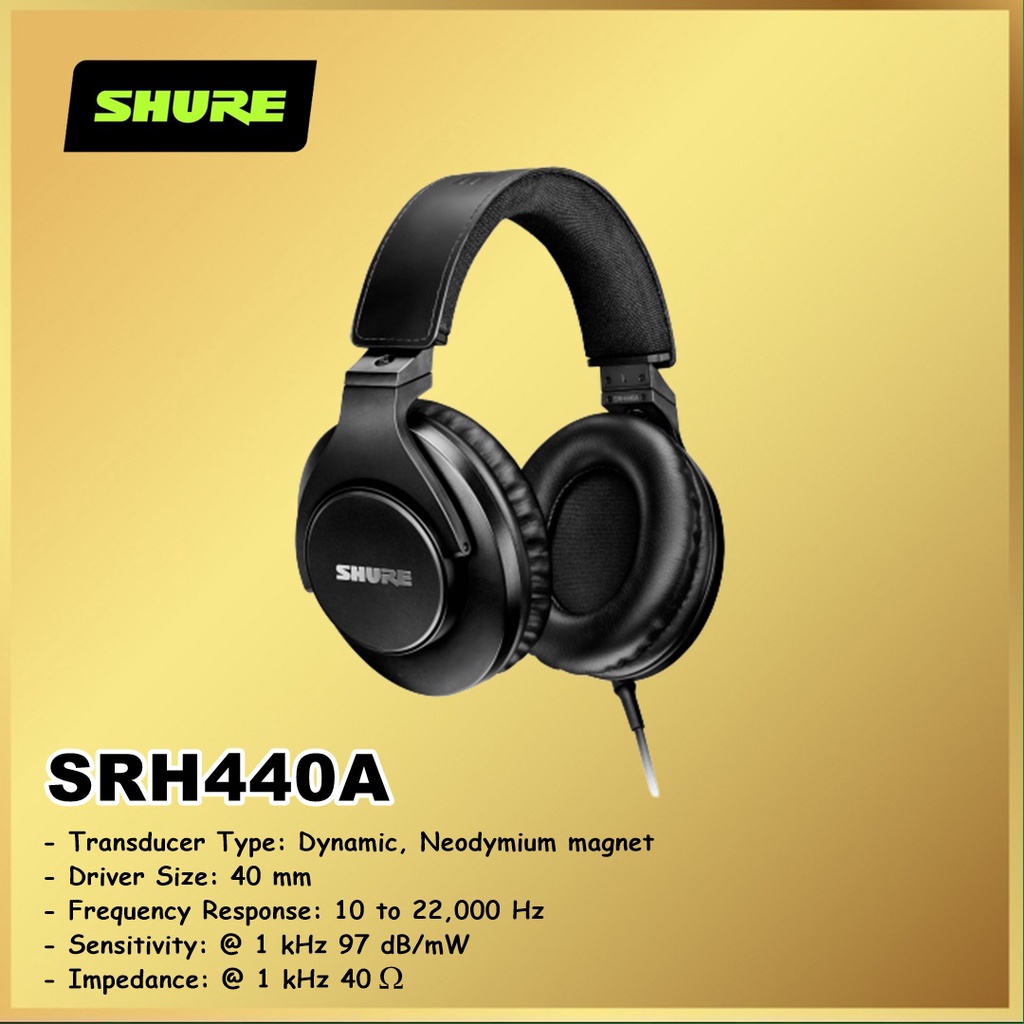
- Frequency Response: 10 Hz to 22 kHz
- Impedance: 44 ohms
- Sensitivity: 105 dB/mW
Low-End Response
Video: SOULWIT® | How to Replace Shure SRH440 (Old Version) Headband | Repair Parts Kit

The bass on the SRH440 is tight, controlled, and neutral. You will not find any artificial sub-bass boost here. For electronic music producers or hip-hop beatmakers who rely on massive low-end impact, these might initially sound a bit lean. However, this neutrality ensures that you can accurately judge bass levels in a mix without being tricked by bloated frequencies.
Midrange Clarity
Midrange performance is arguably the strongest asset of these headphones. Vocals, guitars, pianos, and dialogue are rendered with exceptional clarity and forwardness. If there is a harsh resonance at 2 kHz or a muddy buildup at 400 Hz in your vocal track, the SRH440 will expose it immediately. This makes them superb tools for editing spoken word audio, podcasts, and vocal tuning.
Highs and Soundstage
The high frequencies are detailed, though they can lean slightly bright depending on the source material. Sibilance in vocal tracks is easily detected. As for the soundstage, closed-back headphones naturally struggle to match the expansive, open presentation of open-back models. Nevertheless, instrument separation is surprisingly crisp, allowing you to place individual elements within a stereo mix with confidence.
Isolation and Driveability
Because they are closed-back monitoring headphones, passive noise isolation is quite good. They block out ambient room noise effectively, which prevents microphone bleed when you are recording vocals or acoustic instruments in the same room as your monitors.
With an impedance of 44 ohms, the SRH440 is remarkably easy to drive. You do not need a massive, dedicated headphone amplifier to get adequate volume out of them. They plug straight into audio interfaces, laptops, tablets, and even smartphones with a standard headphone jack (or appropriate dongle), performing admirably without external amplification.
Pros and Cons
To summarize whether these monitors fit your workflow, consider the following advantages and drawbacks:
- Pros:
- Exceptional flat, neutral frequency response for accurate mixing
- Affordable price point for entry-level studio gear
- Replaceable detachable cable and collapsible design
- Good passive noise isolation for tracking
- Cons:
- Industrial aesthetic looks purely utilitarian
- Snug clamp force can cause fatigue during long sessions
- Bass response lacks the punch desired by casual listeners
Final Verdict
The shure 440 headphones remain a gold standard in the budget monitoring category. They do not attempt to flatter your music with warm bass or sparkling highs; instead, they give you the unvarnished truth about your audio. Whether you are setting up a home studio for podcasting, tracking vocals, or learning the fundamentals of audio engineering, the SRH440 delivers professional-grade accuracy without breaking the bank.