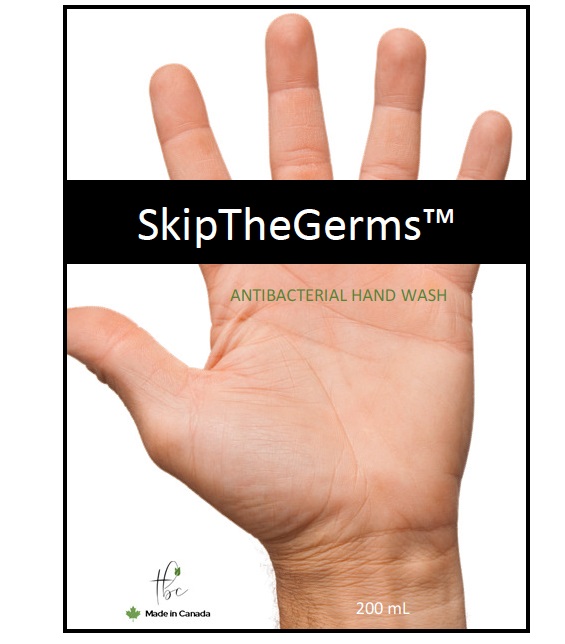
Skip Germs In Your Milwaukee Home
Living in the Cream City comes with plenty of perks, from gorgeous summers by Lake Michigan to a vibrant community spirit. However, Wisconsin’s distinct seasonal shifts also bring waves of indoor living, cold weather, and stubborn pathogens. Whether you are navigating the packed halls of a local office, commuting on the MCTS bus, or managing a bustling household in Bay View, staying healthy requires a proactive approach. If you want to successfully skip germs in your Milwaukee routine, you need strategies that address high-touch surfaces, indoor air quality, and local environmental factors.

Germs thrive in transition seasons when windows stay shut and indoor heating creates the ideal breeding ground for viruses and bacteria. By adopting targeted hygiene habits, you can drastically reduce your risk of falling ill. Here is a comprehensive guide to keeping your living and working spaces sanitized all year round.
Identify and Target High-Touch Germ Hotspots
When trying to skip germs in your Milwaukee property, focus your efforts where hands land most frequently. Pathogens do not linger evenly across every surface; instead, they concentrate on a few high-traffic items that people touch dozens of times a day.
Make a habit of regularly disinfecting these specific zones:
- Door handles and light switches: The first point of entry into any room.
- Kitchen sponges and sink faucets: Studies show kitchen sinks often harbor more bacteria than bathroom toilets.
- Electronics: Smartphones, remote controls, and computer keyboards collect facial oils and microbes constantly.
- Handrails and stair banisters: Especially critical in multi-level Milwaukee duplexes and older homes.
Using an EPA-registered disinfectant is crucial, but remember the rule of dwell time. Most sprays require the surface to remain visibly wet for anywhere from 30 seconds to 10 minutes to effectively kill cold and flu viruses. Simply wiping a surface dry immediately defeats the product's purpose.
Adapt Your Cleaning Routine to Wisconsin Seasons
Milwaukee’s weather dictates how we live, and it should dictate how we clean. Tailoring your hygiene habits to the time of year helps counteract seasonal health challenges.
Winter: Battling Indoor Containment
Winter in southeastern Wisconsin means tightly sealed windows and dry indoor air. Viruses like influenza and RSV stay suspended in dry air longer and spread easily in enclosed spaces. During these months, step up your indoor air game. Invest in a true HEPA air purifier for high-occupancy rooms, and make handwashing the moment you walk through the front door a non-negotiable household rule.
Spring and Summer: Managing Moisture and Outdoor Debris

As the snow melts and lake humidity rises, basements and entryways become prone to mold and mildew. Keep mudroom floors clean by washing doormats weekly and storing wet boots off the main floor. When summer festivals and outdoor activities ramp up, wash reusable water bottles and gym bags frequently to prevent bacterial buildup.
Optimize HVAC and Air Quality at Home
Germs are not just passed by touch; they travel through the air you breathe inside your home. Milwaukee homes, particularly historic properties with older architecture, require careful attention to ventilation and HVAC maintenance.
Take these steps to ensure your indoor air is working for your health:
- Change air filters regularly: Swap out your furnace and AC filters every 60 to 90 days. Upgrade to a higher MERV rating to capture finer microscopic particles and allergens.
- Clean ductwork: If you recently purchased an older home in neighborhoods like Riverwest or Sherman Park, consider having your air ducts professionally cleaned.
- Control humidity: Keep your indoor humidity between 30% and 50% using dehumidifiers in the basement. This prevents mold spores from colonizing damp corners.
Smart Habits for the Milwaukee On-the-Go Lifestyle
Germ prevention shouldn't stop when you step out your front door. Whether you are grabbing coffee in the Historic Third Ward or working downtown, your hands pick up environmental microbes throughout the day.
Keep travel-sized hand sanitizer with at least 60% alcohol in your bag or car. Avoid touching your face—specifically your eyes, nose, and mouth—until you have had a chance to thoroughly wash your hands with soap and water for a full 20 seconds. If you use reusable shopping bags at local grocers, wash them regularly, as raw foods and checkout counters can easily cross-contaminate fabric surfaces.
Conclusion
Staying healthy in Wisconsin doesn't require living in a sterile bubble. By focusing your cleaning efforts on high-touch zones, adapting your routine to seasonal shifts, and maintaining good personal hygiene habits when you are out and about, you can protect yourself and your loved ones. Implement these practical steps today, and enjoy a healthier, germ-free routine all year long.