Solar Eclipse GL: Guide to Greenland's 2026 Totality
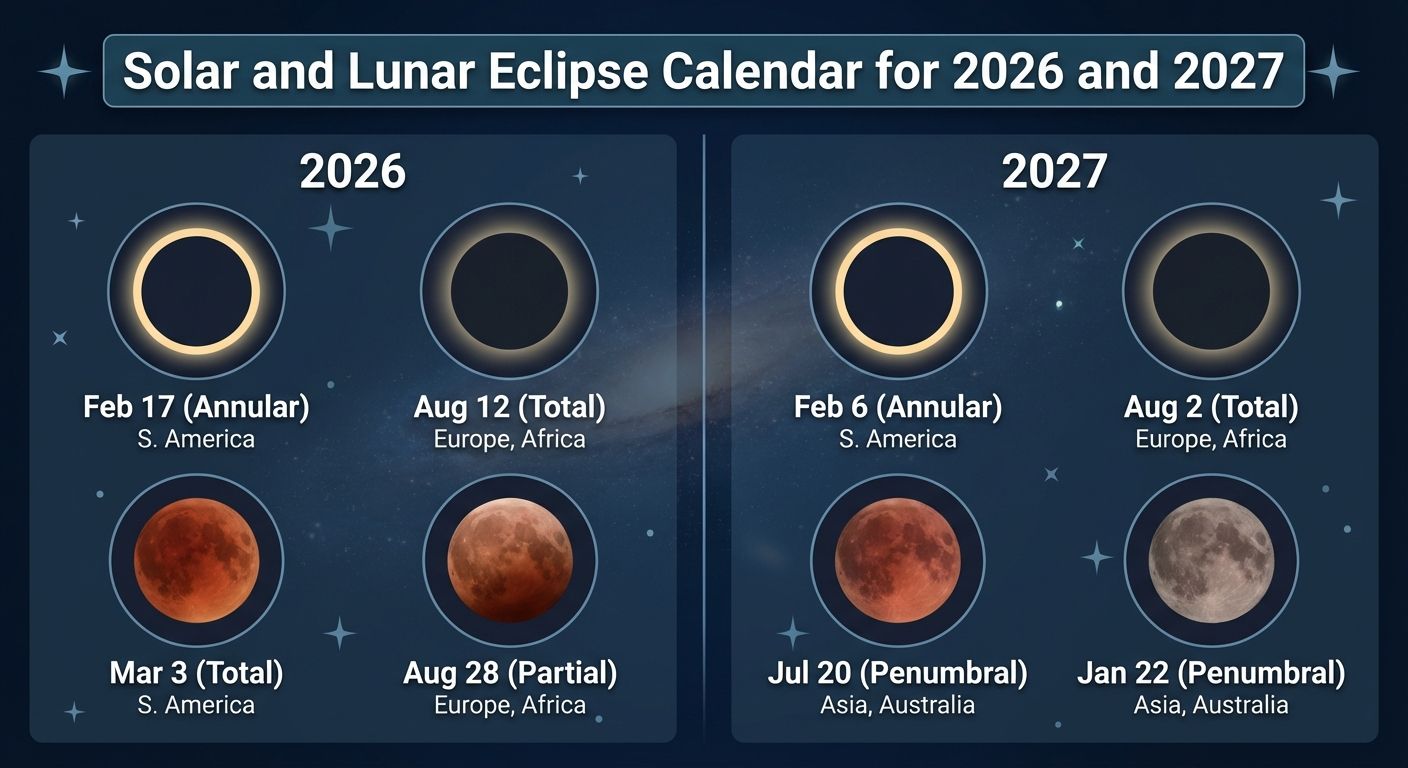
On August 12, 2026, one of the most breathtaking astronomical events of the decade will sweep across the high northern latitudes. While the path of totality cuts across Iceland and northern Spain, the solar eclipse GL (Greenland) corridor represents the absolute crown jewel for adventurous eclipse chasers seeking an untouched wilderness backdrop. Witnessing the solar corona blaze above jagged ice fjords and massive tabular icebergs is a once-in-a-lifetime spectacle that requires early, meticulous planning.
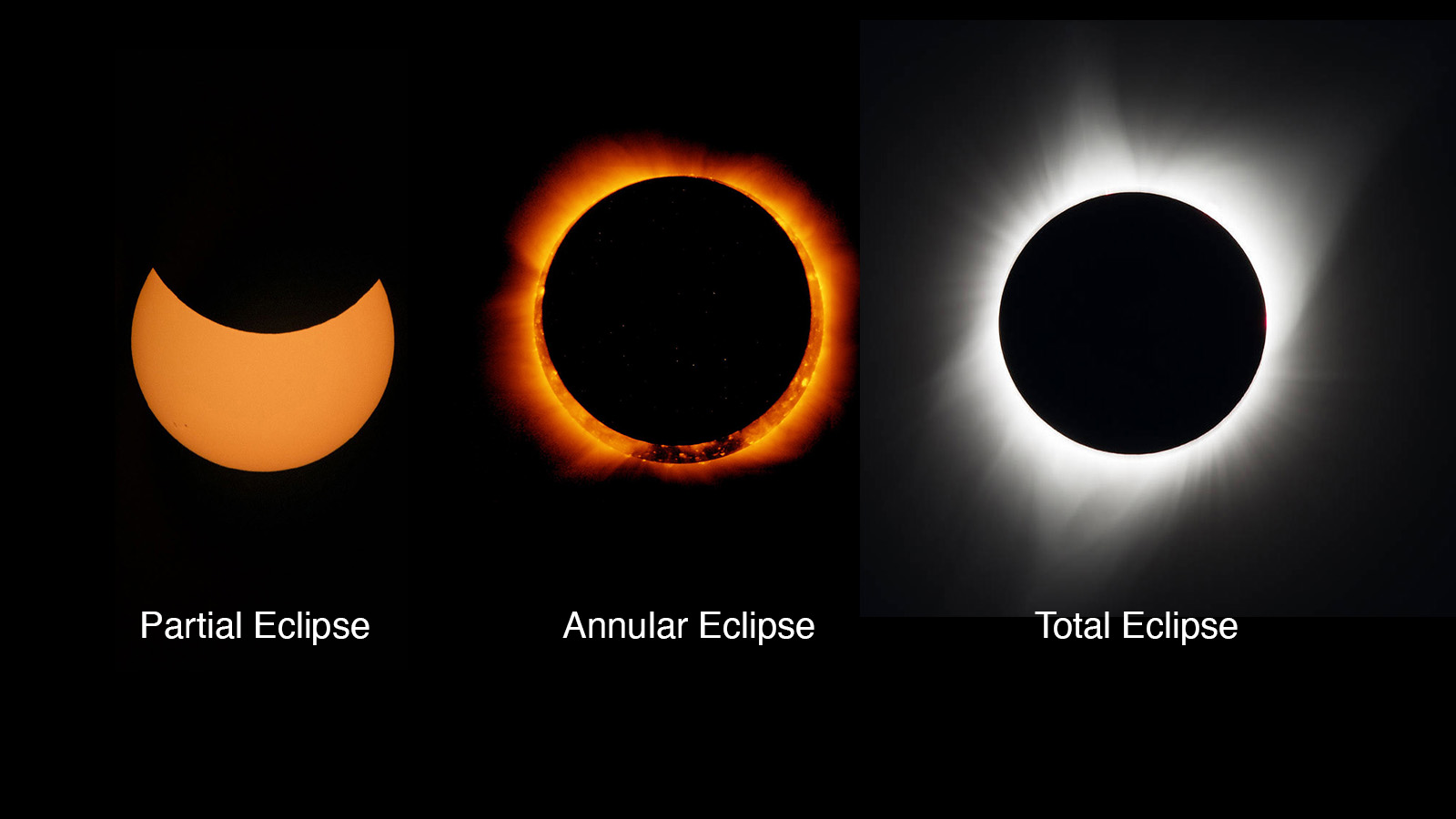
Why the Solar Eclipse GL Corridor Is Eclipse Chasing’s Ultimate Frontier
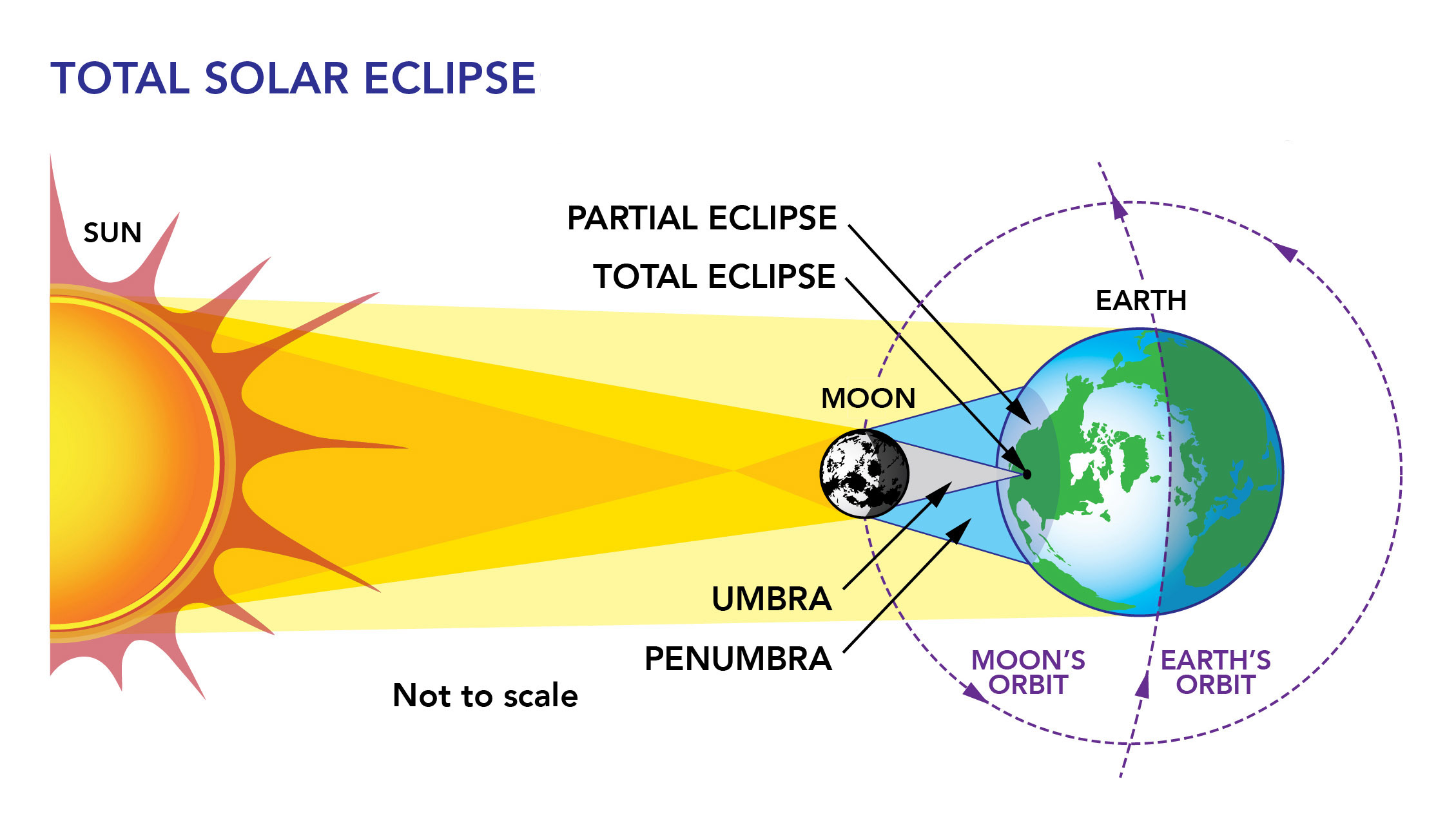
Total solar eclipses occur roughly once every 18 months somewhere on Earth, but very few cross over polar and sub-polar wilderness landscapes. Greenland, cataloged internationally by the two-letter ISO country code GL, provides a visual setting unlike any other on the 2026 path. The moon's umbral shadow will race across the remote northeast coast and the immense fjord networks of eastern Greenland before crossing the Denmark Strait toward Iceland.
During totality in eastern Greenland, the sun will sit roughly 24 to 26 degrees above the southwestern horizon. This moderate elevation is ideal for astrophotographers and visual observers alike: it is high enough to clear coastal mountains and sea ice ridges, yet low enough to compose dramatic landscape photographs combining the black disc of the moon, the ethereal white streamers of the solar corona, and the reflective Arctic waters below.
Key Astronomical Parameters for Greenland Totality
- Date: Wednesday, August 12, 2026
- Totality Duration: Approximately 2 minutes to 2 minutes 17 seconds (depending on your position within the umbral path)
- Sun Altitude: ~24°–26° in the west-southwest
- Path Width: Approximately 290–300 kilometers across eastern Greenland
Prime Viewing Locations Along Greenland's East Coast
Unlike Spain or western Iceland, Greenland has virtually no interconnected road infrastructure. Reaching the path of totality requires specialized expeditions, expedition cruise vessels, or bush aircraft charters. Several distinct regions along the eastern coast provide viable staging grounds.
Scoresby Sund (Kangertittivaq)
Scoresby Sund is the largest and longest fjord system in the world, penetrating more than 350 kilometers into the Greenlandic interior. The mouth and central channels of the fjord sit firmly inside the path of totality. Here, towering basalt cliffs plunge thousands of feet directly into deep waters dotted with colossal icebergs calved from the Greenland Ice Sheet. The surrounding peaks offer natural windbreaks, creating pocket microclimates with still waters that can reflect the darkened sky and corona.
Ittoqqortoormiit
Located near the northern entrance of Scoresby Sund, Ittoqqortoormiit is one of the most isolated permanent settlements on the planet, home to around 350 inhabitants. The village lies directly inside the totality zone. Experiencing totality alongside the local community offers a rich cultural dimension, though local accommodations and infrastructure are extremely limited. Most visitors targeting this area will sleep aboard chartered ice-strengthened vessels anchored in the bay.
The Blosseville Coast
Stretching southwest from Scoresby Sund toward Kangerlussuaq Fjord, the rugged Blosseville Coast features Greenland's highest mountain peaks, including the Gunnbjørn Fjeld in the Watkins Range. The umbra sweeps directly over this coast. Because the mountains drop steeply into the sea, access is restricted almost exclusively to expedition ships equipped with zodiac boats.
Navigating Arctic Weather and Microclimates
Weather is the single most critical variable for any solar eclipse expedition. In coastal Greenland during mid-August, climate patterns are influenced by the cold East Greenland Current and lingering sea ice.
Coastal areas frequently experience low-level marine stratus and sea fog, which can obscure the horizon even when upper atmospheric levels are completely clear. Conversely, moving just 10 to 20 miles inland into deep fjord systems often triggers foehn winds—dry, warming winds that descend from the high ice sheet and evaporate cloud cover.
Strategies to Maximize Clear Skies
- Maintain Maritime Mobility: The best viewing platform in Greenland is an expedition ship capable of navigating ice-strewn fjords. If coastal fog rolls in from the open ocean, a ship can steam westward into inner fjord branches where katabatic drying creates clear skies.
- Monitor Satellite Imagery: Modern expedition operators utilize satellite links to track Arctic cloud cover trends in real time, repositioning the vessel 6 to 12 hours prior to first contact (C1).
- Have a Shore Plan: Landing on a stable shoreline or low ridgeline provides a rock-solid platform for high-magnification telescopes and telephoto camera rigs, eliminating ship vibration.
Travel Logistics and Expedition Planning
Planning an expedition for Greenland's totality cannot be done at the last minute. The remote nature of the region means that capacity is determined by ship berths and airstrip permissions.
Reaching Eastern Greenland
Most travelers targeting eastern Greenland fly to Iceland (Reykjavik or Akureyri) and embark on ice-strengthened expedition cruise ships crossing the Denmark Strait. Alternatively, small-group aviation charters operate from Iceland to Constable Point (Nerlerit Inaat Airport - CNP), an isolated gravel airstrip situated on the northern shore of Hurry Inlet near Ittoqqortoormiit. From Constable Point, transfers are conducted via helicopter or boat.
Safety and Environmental Regulations
Traveling in eastern Greenland involves strict environmental and safety regulations enforced by the Government of Greenland:
- Polar Bear Safety: Eastern Greenland is prime habitat for polar bears. Any shore excursions require qualified, armed expedition leaders trained in non-lethal deterrents and wildlife safety protocols.
- Permits and Search-and-Rescue (SAR) Insurance: Non-commercial expeditions traveling outside municipal zones must secure wilderness travel permits and carry mandatory SAR insurance.
- Tundra Conservation: The Arctic tundra is fragile; foot traffic must minimize disturbance to delicate lichen, moss mats, and archaeological Thule culture sites.
Essential Gear for the Arctic Eclipse
Preparing for totality in Greenland requires combining professional astronomical tools with cold-weather expedition apparel. Even in August, temperatures along the ice edge hover between 2°C and 8°C (35°F–46°F), and temperatures drop sharply during totality when solar radiation cuts off.
Eye and Optics Protection
Safe solar viewing is mandatory during the partial phases preceding and following totality. You must use ISO 12312-2 certified solar eclipse glasses or approved polymer/glass solar filters fitted directly onto the front elements of cameras, binoculars, and spotting scopes. Remove these filters only during the brief minutes of complete totality when the moon completely covers the sun's photosphere.
Camera and Mount Considerations
Cold Arctic winds can create micro-vibrations that ruin long focal length imagery. Use heavy-duty carbon fiber tripods, weigh them down with gear bags, and employ remote shutter releases or automated intervalometers. Bring extra camera batteries; lithium-ion performance degrades quickly in chilly marine air.
Final Thoughts: The 2026 Polar Totality
The August 12, 2026 total eclipse presents a stark contrast between the crowded, heat-baked plains of Spain and the silent, primeval majesty of eastern Greenland. For those willing to invest the effort, time, and logistical preparation, witnessing the eclipse amid Greenland's glaciers and fjords will stand as one of the most sublime visual adventures available on planet Earth.