Solar Laborer Jobs: Pay, Duties & How to Get Hired
The renewable energy boom has created unprecedented demand for skilled hands on construction sites, making solar laborer jobs one of the fastest-growing entry points into the green economy. Whether you are transitioning out of traditional construction, landscaping, or entering the workforce for the first time, utility-scale and rooftop solar projects offer stable employment, competitive wages, and clear pathways for career advancement.
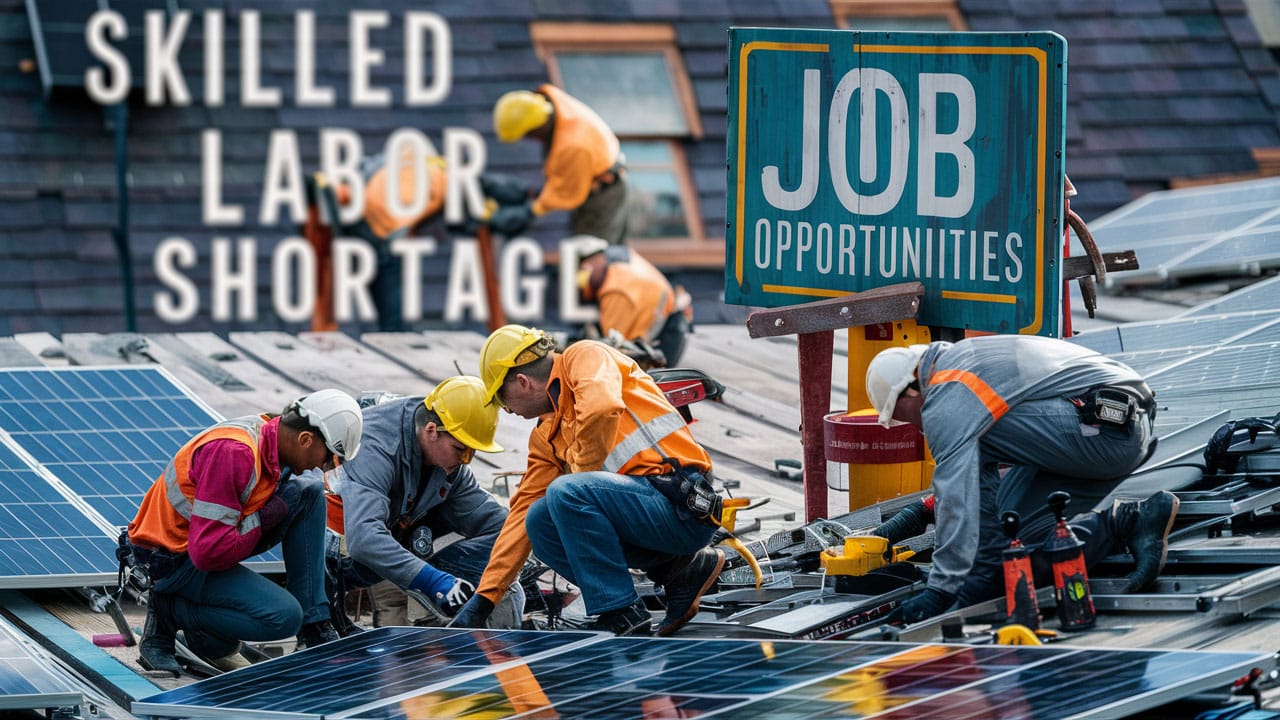
If you enjoy working outdoors, using your hands, and want to be part of the transition to clean energy, working as a solar construction laborer is a practical and rewarding career move. Here is a complete guide to what the job entails, what you can expect to earn, and how to land your first position.
What Does a Solar Laborer Do?
A solar laborer—often referred to as a solar installer assistant or yard hand—performs the physical and manual tasks required to build photovoltaic (PV) solar energy systems. While utility-scale solar farms and residential rooftop installations differ in scale, the foundational labor responsibilities remain remarkably similar.
Core Daily Responsibilities
- Site Preparation: Clearing brush, grading terrain, trenching for cables, and setting up erosion control measures.
- Foundation Installation: Assisting machine operators in driving steel I-beams or helical piles deep into the ground to support the solar racking system.
- Racking and Mounting: Assembling the metal frames and rails that hold the solar panels in place using standard hand and power tools.
- Panel Handling: Unloading, inspecting, and carefully carrying heavy photovoltaic panels to mounting locations without damaging them.
- Material Management: Keeping the work site organized, managing scrap metal and cardboard, and staging materials near installation crews.
Daily Working Conditions and Physical Demands
Solar laborer jobs are physically demanding outdoor positions. Before applying, it helps to understand the reality of the daily work environment:
- Weather Exposure: You will work outside in extreme heat, cold, wind, and occasionally rain. Sun protection, hydration, and proper layering are daily necessities.
- Heavy Lifting: The job requires frequent lifting of materials weighing 50 pounds or more, as well as prolonged bending, kneeling, and standing.
- Travel and Remote Sites: Large utility-scale solar farms are frequently built in rural, remote areas. Laborers may need to travel significant distances or commute to temporary work camps.
- Safety Protocols: Because you will work around heavy machinery, electrical components, and elevated surfaces, strict adherence to OSHA safety standards and PPE (Personal Protective Equipment) is mandatory.
Salary and Compensation for Solar Laborers
Pay rates for solar laborers vary depending on geographic location, project scale, and prior experience. States with aggressive clean energy mandates—such as California, Texas, New York, and Nevada—typically offer higher hourly rates due to high demand and cost of living.
Entry-level solar laborers generally earn between $17 and $22 per hour. Workers with several months of experience, specialized certifications (like OSHA-10 or OSHA-30), or equipment operating skills can quickly see their wages climb to $24 to $30+ per hour. Many utility projects also offer per diem pay for workers traveling away from home, as well as overtime opportunities during peak installation seasons.

Required Skills and Qualifications
One of the best aspects of entering the solar industry is that most entry-level positions do not require a college degree or years of specialized trade experience. Employers value strong work ethics, reliability, and physical stamina above all else.
Key Qualifications Employers Look For
- Physical Stamina: The ability to perform strenuous manual labor for 8-to-10-hour shifts.
- Tool Proficiency: Familiarity with basic hand and power tools, including impact drivers, torque wrenches, and tape measures.
- Reliable Transportation: Many solar sites lack public transit access, meaning a dependable vehicle and a valid driver's license are absolute musts.
- Safety Consciousness: A commitment to following site safety rules to protect yourself and your crewmates.
Certifications That Boost Your Hireability
While you can get hired without prior credentials, holding specific certifications makes your resume stand out immediately and can help you command higher pay from day one:
- OSHA 10-Hour Construction Card: A foundational safety certification required on almost every commercial and utility-scale job site.
- First Aid / CPR Certification: Highly valued by site managers, especially on remote utility jobs.
- Forklift or Skid Steer Certification: Proves you can operate material-handling equipment safely.
How to Find and Apply for Solar Laborer Jobs
Landing your first role in the solar industry is straightforward if you know where to look and how to pitch your transferrable skills.
- Target Renewable Energy Contractors: Look up major solar EPC (Engineering, Procurement, and Construction) companies operating in your region. Companies like Blattner Energy, NextEra Energy, and Mortenson frequently hire large crews.
- Leverage General Job Boards: Search terms like "solar laborer," "solar construction worker," or "solar installer assistant" on Indeed, ZipRecruiter, and LinkedIn.
- Highlight Transferable Experience: If you have worked in traditional construction, landscaping, warehouse logistics, or agriculture, emphasize your experience with physical labor, tools, and safety protocols on your resume.
- Contact Local Trade Unions: In many areas, Laborers' International Union of North America (LIUNA) or International Brotherhood of Electrical Workers (IBEW) halls partner directly with solar developers for workforce pipelines.
The Future and Career Growth
Starting in solar laborer jobs is rarely a dead-end position; it is a springboard into the broader renewable energy sector. Many workers use their time as laborers to figure out which specialization interests them most. With experience, you can promote into roles such as crew lead, heavy equipment operator, quality control inspector, or transition into electrical apprenticeship programs to become a licensed electrician. For motivated workers ready to put in hard work outdoors, the solar industry offers a stable and rapidly expanding career path.


