Solve Your Handwriting Struggles With Adaptive Tools
Understanding Handwriting Difficulties

Handwriting is a complex neurological and physical task that requires the coordination of fine motor skills, visual-spatial processing, and sustained muscle control. For many adults and children, this process is fraught with frustration. Whether you experience chronic hand fatigue, joint stiffness from arthritis, dysgraphia, or general developmental delays in motor control, putting pen to paper can feel like an uphill battle.
Fortunately, you do not have to struggle in silence or abandon physical writing altogether. When you solve your handwriting struggles with adaptive tools, you open the door to a more comfortable, legible, and enjoyable writing experience. These specialized devices and modifications are designed to bridge the gap between hand strength and writing output, reducing strain while boosting confidence.
Ergonomic Pens and Pencils
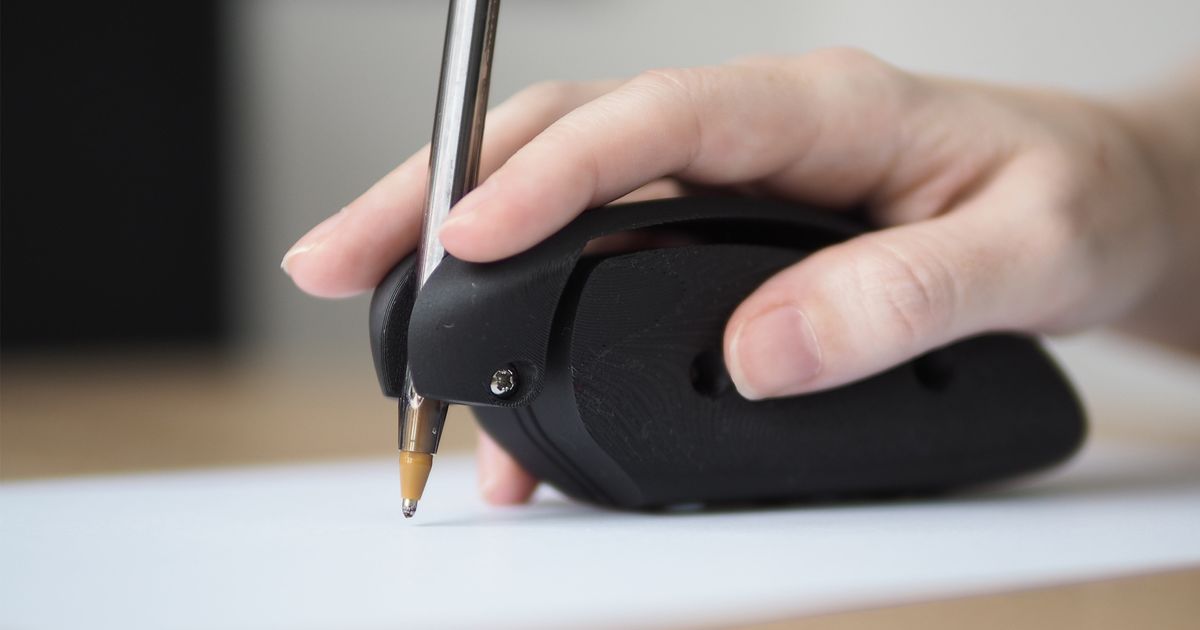
The standard wooden pencil or slim ballpoint pen is often poorly suited for human ergonomics. They force a tight, fatiguing grip that places undue stress on the fingers and wrist. Upgrading your writing instrument to an ergonomic alternative is one of the quickest ways to relieve discomfort.
Triangular Barrels and Contoured Designs
Pens and pencils with triangular barrels naturally encourage a proper tripod grip without requiring conscious effort. The flat sides of the triangle align with the thumb, index, and middle fingers, distributing pressure evenly. Contoured grips molded with soft, rubberized materials provide traction and cushion, preventing fingers from slipping during extended writing sessions.
Weighted Pens for Tremor Control
For individuals dealing with hand tremors, Parkinson's disease, or ataxia, standard lightweight pens can exaggerate shaking. Weighted pens add extra mass—often ranging from two to four ounces—which dampens involuntary movements. This added heft provides immediate proprioceptive feedback to the hand, allowing for smoother, more controlled strokes.
Pencil Grips and Hand Supports
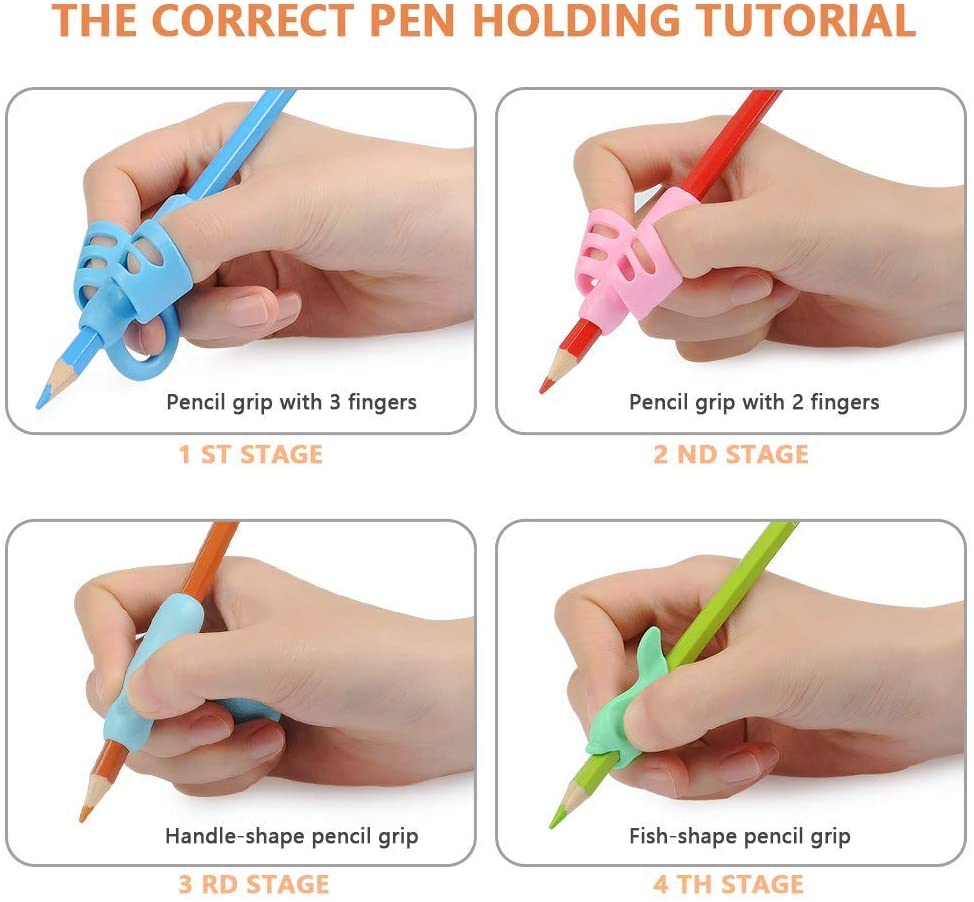
If you already have a favorite pen or need to adapt standard classroom supplies, standalone grips and supports offer a versatile and cost-effective solution.
- Foam and Silicone Slits: These slide over standard writing utensils to increase the barrel diameter, making them easier to grasp for people with arthritis or limited finger flexion.
- Molded Finger-Placement Grips: Devices like the 'Crossover Grip' or 'The Pencil Grip' feature physical barriers that physically block fingers from wrapping too tightly around the shaft or crossing over one another.
- Wrist Splints and Slanted Boards: Sometimes the issue isn't the grip itself, but the wrist angle. Slanted writing boards promote a neutral wrist position, reducing wrist extension and easing strain on the forearm muscles.
Paper Modifications and Visual Guides
Physical grip is only half the battle; visual-spatial challenges often lead to uneven letter sizing, slanted lines, and overlapping words. Modifying your writing surface can drastically improve legibility.
Video: The INSANE Brain Boost That Happens When You Write by Hand [Neuroscientist Explains]

Raised-Line and Bold-Line Paper
For individuals with low vision or proprioceptive difficulties, standard faint blue lines can be difficult to perceive. Bold-line paper provides high-contrast boundaries. Raised-line paper takes this a step further by adding tactile bumps to the baseline. When the writer's pencil hits the tactile bump, they receive physical feedback indicating where the line ends, helping them keep letters uniform and properly aligned.
Stencils and Graph Paper Guides
Using graph paper with larger grid squares helps isolate individual letters, making it ideal for those who struggle with spacing. Alternatively, simple cardboard word spacers or reading guides can help writers consciously pace their words and maintain consistent margins.
Digital and Smart Adaptive Technologies
When physical modifications aren't enough, modern technology offers powerful ways to bridge the gap between thought and text. Digital adaptive tools can completely transform how individuals approach productivity and communication.
Smartpens and Audio Recording
Smartpens record audio while you write on specialized dot-paper. Later, tapping any word on the page plays back the exact audio recorded at that moment. This is a game-changer for students and professionals with dysgraphia or slow writing speeds, as it relieves the pressure of frantically writing down every single detail.
Speech-to-Text and Stylus Integration
Voice dictation software has advanced to near-human accuracy, allowing users to draft essays, emails, and notes entirely through speech. For those who still prefer the feel of writing, digital tablets paired with low-latency styluses and palm-rejection software provide a smooth writing surface. Apps on these devices can instantly convert messy handwritten notes into clean, typed text.
Choosing the Right Tools for Your Needs
Because every individual's anatomical and neurological needs are unique, finding the right setup often requires a bit of experimentation. Consider the following steps when building your adaptive toolkit:
- Identify the primary pain point: Is the main issue hand fatigue, shaky lines, poor letter spacing, or messy legibility? Match the tool directly to the symptom.
- Consult a professional: Occupational therapists (OTs) specialize in fine motor control and can perform comprehensive assessments to recommend medical-grade adaptive equipment.
- Start simple: Begin with low-cost interventions like silicone grips or bold-line paper before investing in expensive weighted pens or digital tablets.
Handwriting should be a medium for expression, not a source of physical pain or embarrassment. By embracing adaptive tools, you can reclaim your confidence and make writing a comfortable, sustainable part of your daily routine.