Solve Your Student Reference Letter Problems Instantly
· Admin
· 1127 words
Few things derail an academic or career milestone faster than an unanswered reference letter request. Application deadlines are unforgiving, professors are notoriously overextended, and the pressure mounts when a university or scholarship board requires three glowing appraisals on short notice. Whether you are racing against an admissions cutoff or you have been asked to draft your own evaluation, learning how to solve your student reference letter problems instantly can save your application from stalling at the finish line.
Reference letters often become bottlenecks because of ambiguity. Students hesitate to ask, professors lack the bandwidth to write personalized notes from scratch, and both parties struggle with what specific details matter most. By shifting from passive waiting to proactive collaboration, you can clear these hurdles immediately.
The 4 Most Common Reference Letter Problems
Before implementing a fix, identify which issue is causing your roadblock. Most academic recommendation issues fall into four distinct categories:
The Ghosted Request: You emailed a professor two weeks ago, the deadline is in five days, and your inbox is empty.
The "Draft It Yourself" Dilemma: A mentor agrees to recommend you, but instructs: "Write a draft and send it to me to sign."
The Weak or Generic Letter: A recommender agrees, but they barely remember your coursework, risking a vague, unhelpful letter.
The Last-Minute Scramble: You found an unexpected grant or late-opening internship requiring a letter within 48 to 72 hours.
How to Solve Your Student Reference Letter Problems Instantly
Eliminating delays requires removing friction for the recommender. Professors do not delay because they dislike you; they delay because writing a compelling letter from scratch takes significant cognitive energy. Here is how to streamline the entire process right now.
1. Provide an Instant "Brag Sheet"
Never ask a referee to rely purely on memory. Whenever you send a request—or if you are following up on a pending one—attach a concise, single-page summary document containing:
The exact courses you took with them, including semesters, final grades, and major paper or project titles.
Your target program, scholarship, or job description.
Two to three specific traits or achievements you would love them to emphasize (e.g., leadership in group labs, analytical writing, or independent research).
Your updated resume and unofficial transcript.
The firm deadline and submission link or mailing address.
2. Use the "Reverse Outline" for Self-Drafted Letters
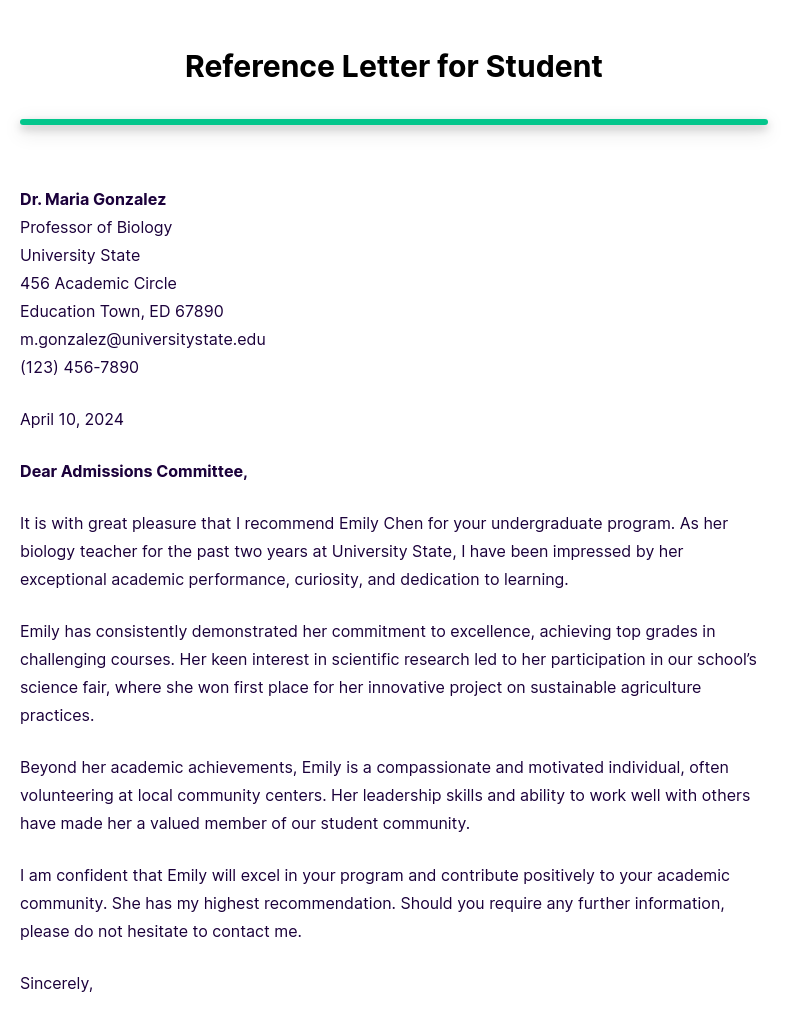
If an instructor asks you to write the first draft yourself, do not write a self-congratulatory essay. Instead, adopt their objective, professional voice by following this standard four-paragraph architecture:
The Opening (Context): State who the recommender is, their relationship to you, how long they have known you, and an enthusiastic endorsement.
Academic Performance & Intellectual Curiosity: Highlight a specific assignment, discussion, or project where you demonstrated critical thinking or technical skill.
Personal Character & Work Ethic: Mention soft skills—such as resilience, collaboration, or leadership—anchored in a concrete classroom example.
The Unconditional Closing: Reiterate their highest recommendation without reservation and provide contact information for follow-up questions.
Plug-and-Play Email Scripts for Fast Results
When time is short, do not overthink your wording. Copy, adapt, and send these tested scripts.
Script A: The Gentle Follow-Up (For Unanswered Requests)
Use this when your original request has gone unanswered for more than 7 to 10 days, or when the deadline is approaching within a week.
Subject: Follow-up: Reference Letter Request for [Your Full Name] – Due [Date]
Dear Professor [Last Name],
I hope you are having a productive week. I am following up on my reference letter request sent on [Date] regarding my application to [Name of Program/University].
The submission deadline is [Date, e.g., November 15th]. To make this as straightforward as possible, I have re-attached my resume, personal statement draft, and a brief bulleted summary of my work in your [Course Name] class below.
Please let me know if you need any additional information to complete the form. Thank you again for your time and continued support.
Use this when you are forced to ask for a recommendation on tight turnaround (under two weeks).
Subject: Urgent Reference Letter Request: [Your Full Name] for [Program Name]
Dear Professor [Last Name],
I hope this email finds you well. I am writing to ask if you would feel comfortable providing a brief letter of recommendation for my application to [Target Opportunity].
I apologize for the short notice; the deadline is [Date]. Because of your guidance during [Course Name / Research Project], your endorsement would mean a great deal to my candidacy.
To respect your time, I have attached a complete reference dossier: a draft summary of key achievements from your class, my resume, and instructions on how to submit the recommendation via the portal. If you are unable to take this on due to the timeline, I completely understand.
Best regards, [Your Full Name]
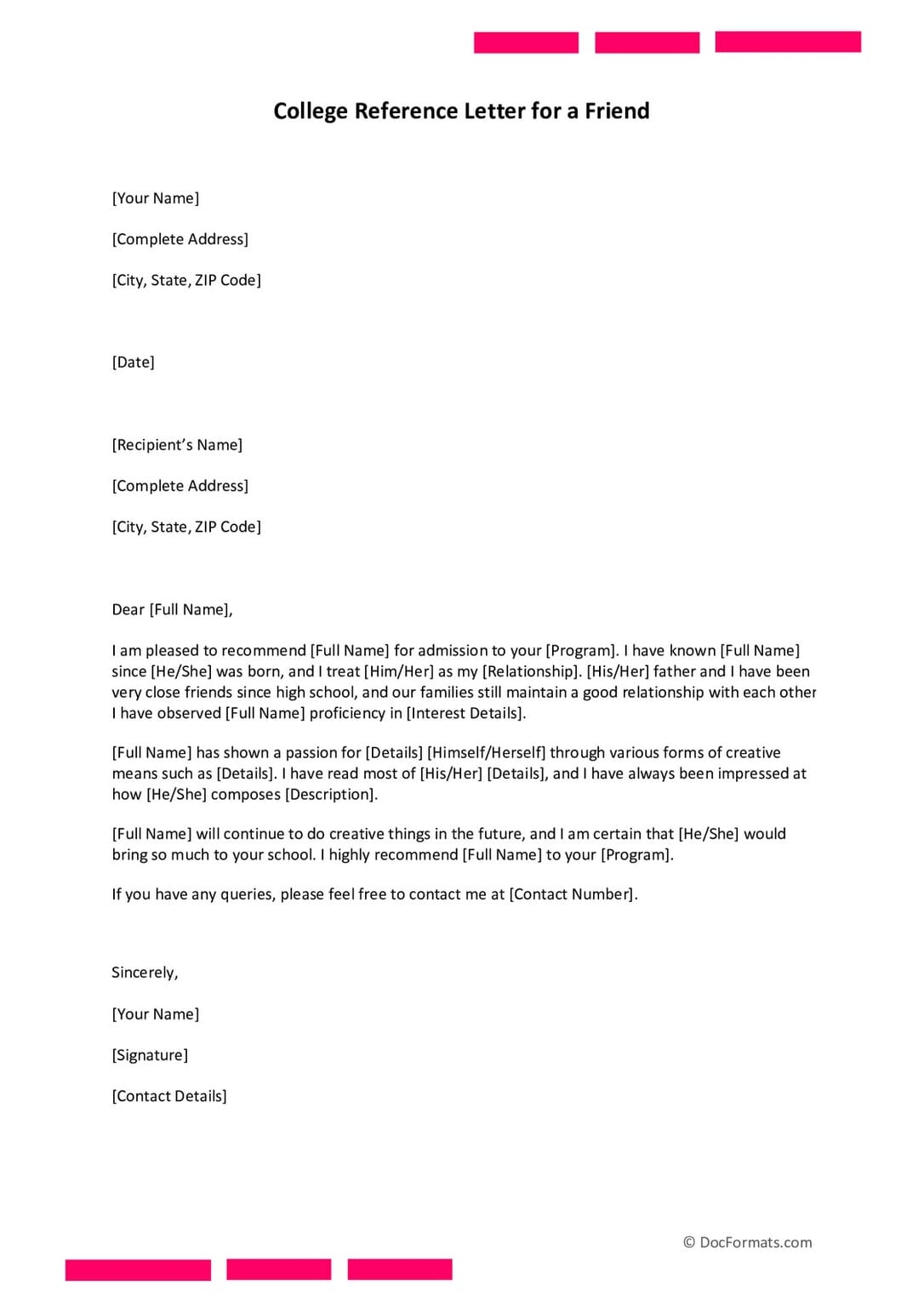
Universal Reference Letter Template (Draft-It-Yourself)
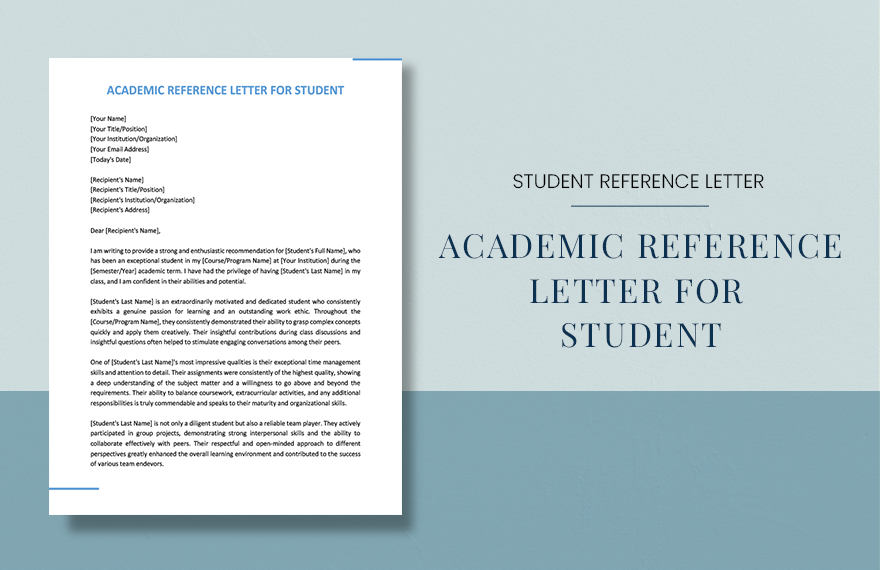
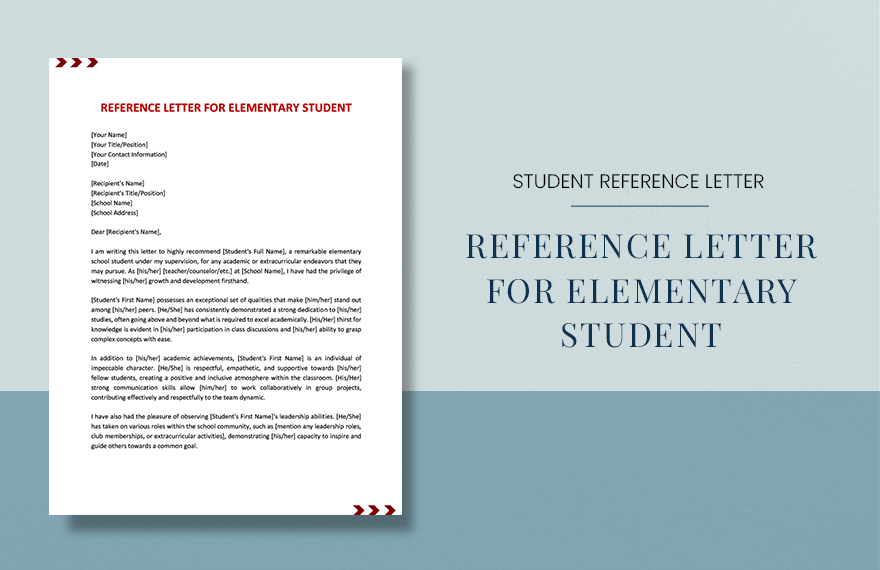
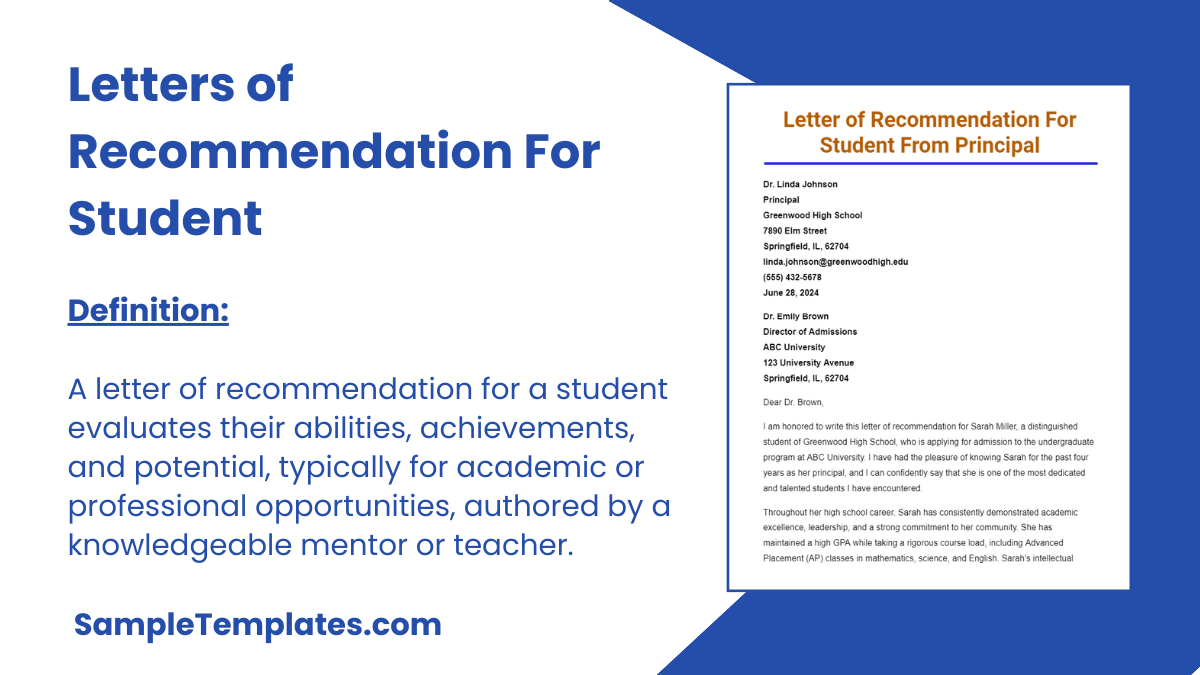
If your mentor green-lit you to supply the draft, paste this template into a document, customize the bracketed fields, and send it over for their review and signature.
To the Admissions Committee [or Hiring Team],
It is my distinct pleasure to recommend [Student Name] for admission to [Program Name] at [Institution]. I have known [Student Name] for [Number] years in my capacity as [Your Title] at [University Name], having taught them in [Course Name(s)] and supervised their work on [Project/Thesis, if applicable].
During their time in my classroom, [Student Name] consistently distinguished themselves as an engaged and insightful scholar. In particular, their work on [Specific Assignment or Topic] demonstrated exceptional [Specific Skill, e.g., quantitative rigor, creative analysis, meticulous research methodology]. They routinely contributed thoughtful perspectives during seminars and elevated discussions among their peers.
Beyond their academic aptitude, [Student Name] possesses exemplary interpersonal and professional qualities. When faced with [Challenge or Intensive Task], they exhibited dependable work ethic, maturity, and initiative. They collaborate seamlessly with diverse teams and respond constructively to complex feedback.
I have no doubt that [Student Name] will excel in [Program Name] and make significant contributions to your academic community. They have my highest recommendation. Please feel free to contact me should you require any additional insights.
Once your reference letter is submitted, keep the relationship strong for future needs. Always send a sincere thank-you note within 24 hours of submission. Furthermore, keep your recommenders informed of the final outcome—professors genuinely appreciate knowing when a student they supported lands the scholarship, admission offer, or position.
By packaging your achievements, respecting the referee's schedule, and providing turn-key drafts or reminders, you resolve reference letter issues immediately while preserving professional goodwill.