Sonic Adventure Dreamcast: History and Legacy
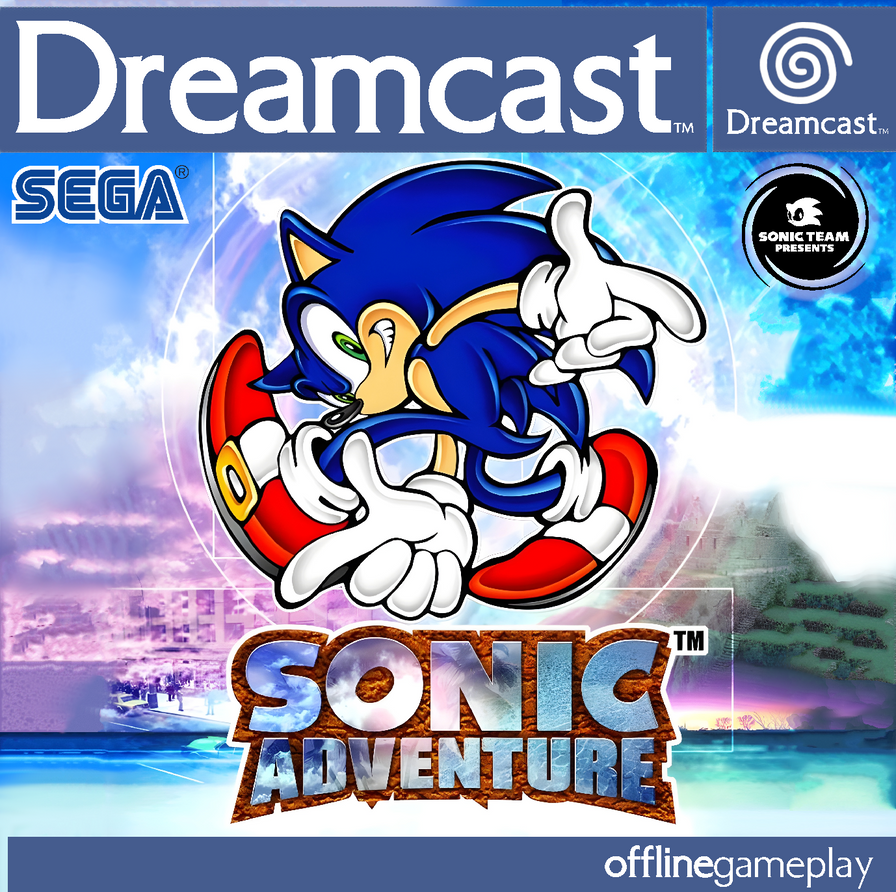
When Sega released the Sonic Adventure Dreamcast bundle in late 1998 in Japan (and 1999 worldwide), it was more than just another game launch. It was an ambitious, high-stakes attempt to salvage Sega's hardware business and redefine their legendary mascot for a brand-new generation of 3D polygon gaming. Moving away from the classic 2D Genesis sprite style, Sonic Team crafted a cinematic, fast-paced action platformer that pushed the boundaries of the 128-bit hardware.
While time has revealed some rough edges in its camera work and voice acting, the original Dreamcast release remains a fascinating historical milestone. It captured a specific era of arcade-inspired exuberance, rock music soundtracks, and technological optimism that defined late-90s console gaming.
The Development and Ambition of Sonic Adventure
Development on Sonic Adventure began shortly after the completion of Sonic & Knuckles in 1994, originally intended for the Sega Saturn. Led by director Yuji Naka, the team struggled with the Saturn's complex hardware architecture. When Sega decided to pivot toward a brand-new console—the Dreamcast—the project transitioned to the new hardware, allowing the developers to finally realize their grand vision of a fully 3D world.
The core philosophy behind the game was to translate the breakneck speed of the 2D era into a three-dimensional space without sacrificing player control. To achieve this, Sonic Team implemented dynamic camera angles that shifted automatically depending on the player's location, blending scripted cinematic sequences with traditional platforming freedom.
Six Unique Gameplay Styles
Rather than focusing solely on Sonic the Hedgehog, Sonic Adventure introduced an expansive narrative structure told through the perspectives of six distinct playable characters. Each character offered a radically different gameplay style, ensuring the experience varied wildly from stage to stage:
- Sonic: Focuses on pure speed, momentum, and classic homing-attack platforming through sprawling levels like Station Square and Emerald Coast.
- Tails: Combines flying mechanics with racing elements, challenging players to beat Sonic to the end of modified stages.
- Knuckles: Features exploratory, radar-based treasure hunting where players must track down three hidden Master Emerald shards in open-ended zones.
- Amy Rose: A slower, tense stealth-platformer where Amy must outrun a robotic pursuer using her Piko Piko Hammer.
- Big the Cat: A slow-paced, atmospheric fishing minigame where Big tries to catch his pet frog, Froggy, in various aquatic environments.
- E-102 Gamma: A fast-paced third-person shooter featuring lock-on targeting mechanics and timed countdowns.
The Visuals and Audio Masterpiece
Video: Sonic Adventure (Dreamcast) playthrough ~Longplay~

For its time, the sonic adventure dreamcast graphics were nothing short of breathtaking. Running at a smooth 60 frames per second, the game showcased vibrant textures, impressive water physics, and detailed character models that made the transition from 2D sprites to 3D polygons feel triumphant. The opening cinematic, featuring Sonic running through the streets of Station Square while chased by the water monster Chaos, remains an iconic piece of video game history.
Equally memorable is the soundtrack. Composed primarily by Jun Senoue, the audio departed from traditional chiptunes or orchestral suites in favor of energetic, vocal-driven alternative rock. The main theme, "Open Your Heart" by Crush 40, perfectly encapsulated the bold, energetic attitude of Sega's brand at the turn of the millennium.
The VMU and Chao Integration
One of the most innovative hardware integrations in Sonic Adventure involved the Dreamcast's Visual Memory Unit (VMU). Players could collect and hatch eggs in the game's virtual pet simulation area, known as the Chao Garden. By transferring a baby Chao onto the detachable VMU handheld screen, players could take their digital pet on the go, feed it, and play mini-games to boost its stats before returning it to the console.
This feature anticipated the modern trend of companion apps and portable progression systems, giving players a compelling reason to engage with side content long after finishing the main narrative campaigns.
Legacy and Impact on the Franchise
Sonic Adventure set the mechanical blueprint for nearly every 3D Sonic game that followed. Elements like the Homing Attack, rail grinding, character-driven story campaigns, and the beloved Chao Garden all originated here. While subsequent ports—most notably *Sonic Adventure DX: Director's Cut* on the GameCube and PC—introduced bug fixes and updated character models, many purists argue that the original Dreamcast version maintains a distinct charm, lighting engine, and visual fidelity that later ports inadvertently altered.
Ultimately, Sonic Adventure on the Dreamcast stands as a monumental achievement of its time. It captured the creative peak of Sega's hardware era, offering an eclectic, fast-paced adventure that continues to inspire nostalgia and debate among retro gaming enthusiasts today.