Sonny Franzese’s Hidden Billionaire Net Worth
Unraveling the Myth of Mob Fortunes
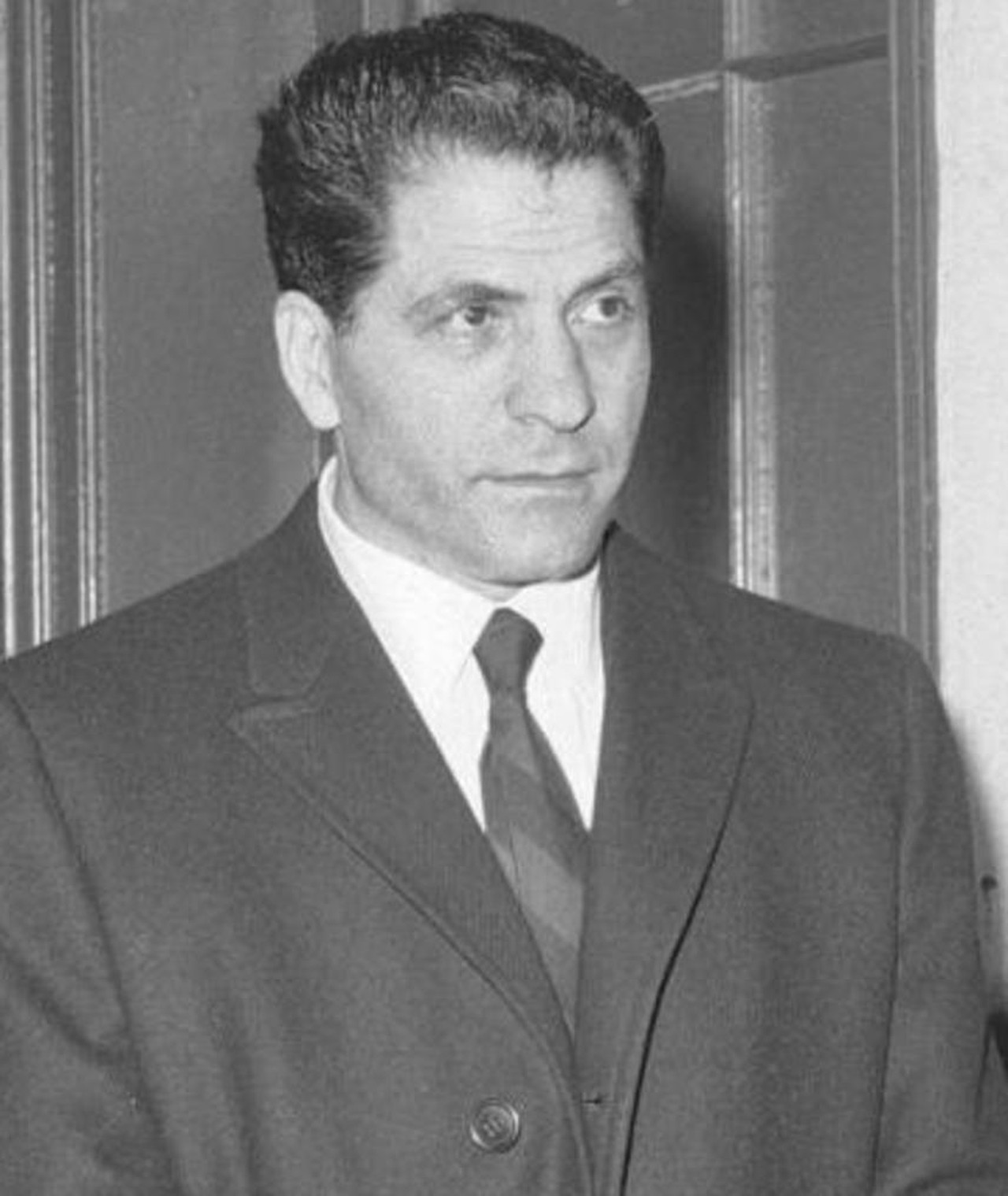
When people think of organized crime bosses from the golden era of the American Mafia, they often picture Hollywood depictions: sprawling compounds, gold-plated fixtures, and offshore bank accounts brimming with cash. Among the most legendary figures in this world was John "Sonny" Franzese, a high-ranking member of the Colombo crime family whose long life spanned nearly a century. In recent years, internet lore and sensationalized media reports have frequently floated rumors regarding Sonny Franzese’s hidden billionaire net worth. But how much truth is there to these staggering financial claims?
To understand the reality behind these rumors, one must separate the myth-making of true crime culture from the actual mechanics of mid-20th-century racketeering. While Franzese was undeniably involved in massive criminal enterprises that generated millions of dollars over decades, the idea of a mobster accumulating ten-figure wealth requires a closer look at historical evidence, FBI investigations, and the lifestyle of career criminals.
Who Was Sonny Franzese?
Born in Naples, Italy, in 1917, John Franzese grew up in Brooklyn, New York, and rose through the ranks of what would eventually become the Colombo crime family. Known for his charm, ruthlessness, and longevity, Franzese became a legendary figure in the New York underworld. He was involved in a vast array of illicit activities, including:
- Extortion and loan sharking
- Illegal gambling and bookmaking
- Labor racketeering on the New York waterfront
- Securities fraud and stock manipulation
- Hijacking and cargo theft
Franzese’s criminal career was astonishingly long. He was first arrested in the 1930s and remained active well into his later years, earning convictions into his 90s. Because he operated across multiple eras—from the Prohibition-adjacent days of the early mob to the corporate-style white-collar crimes of the late 20th century—many assume he must have stashed away a fortune that compounded over generations.
Evaluating Sonny Franzese’s Hidden Billionaire Net Worth
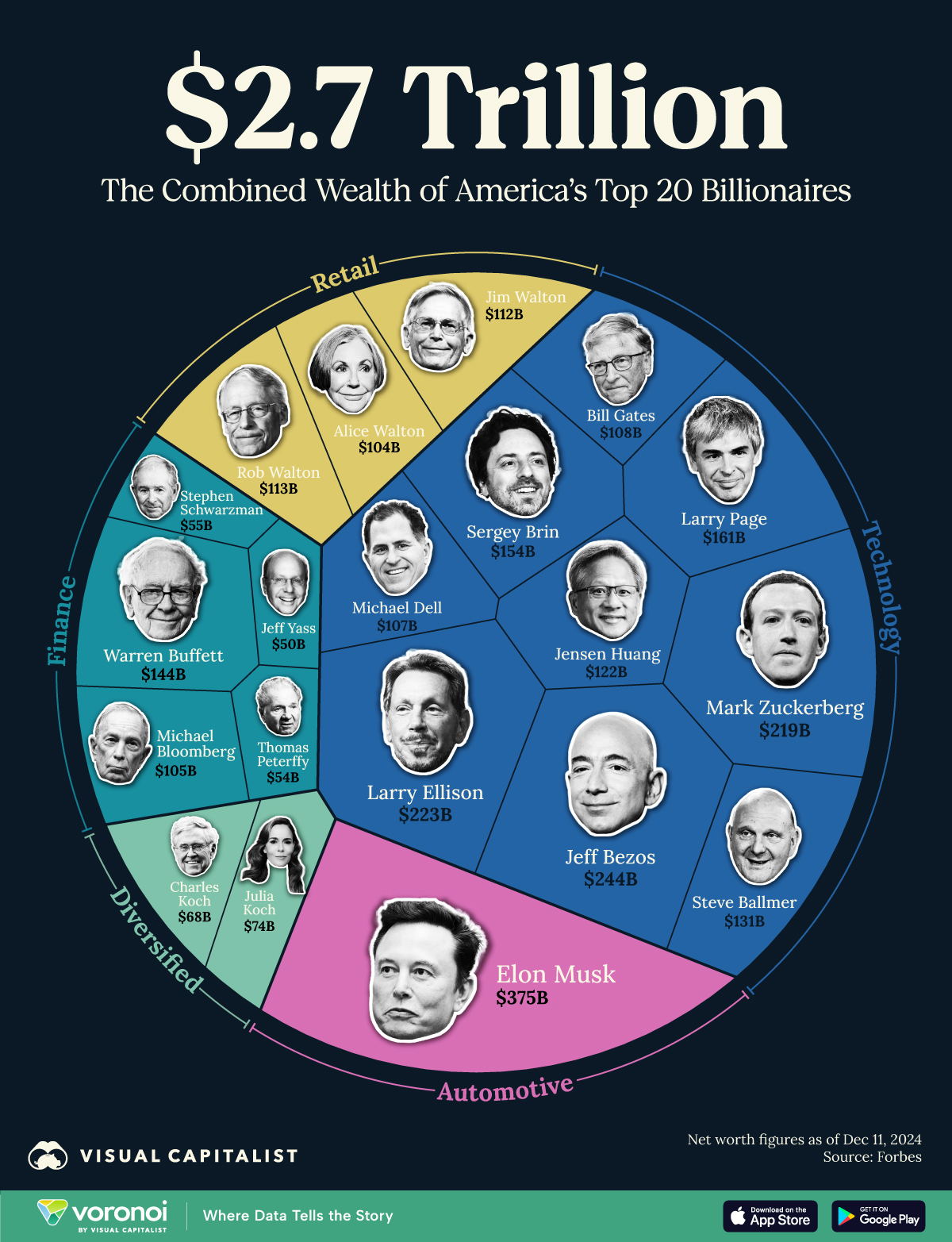
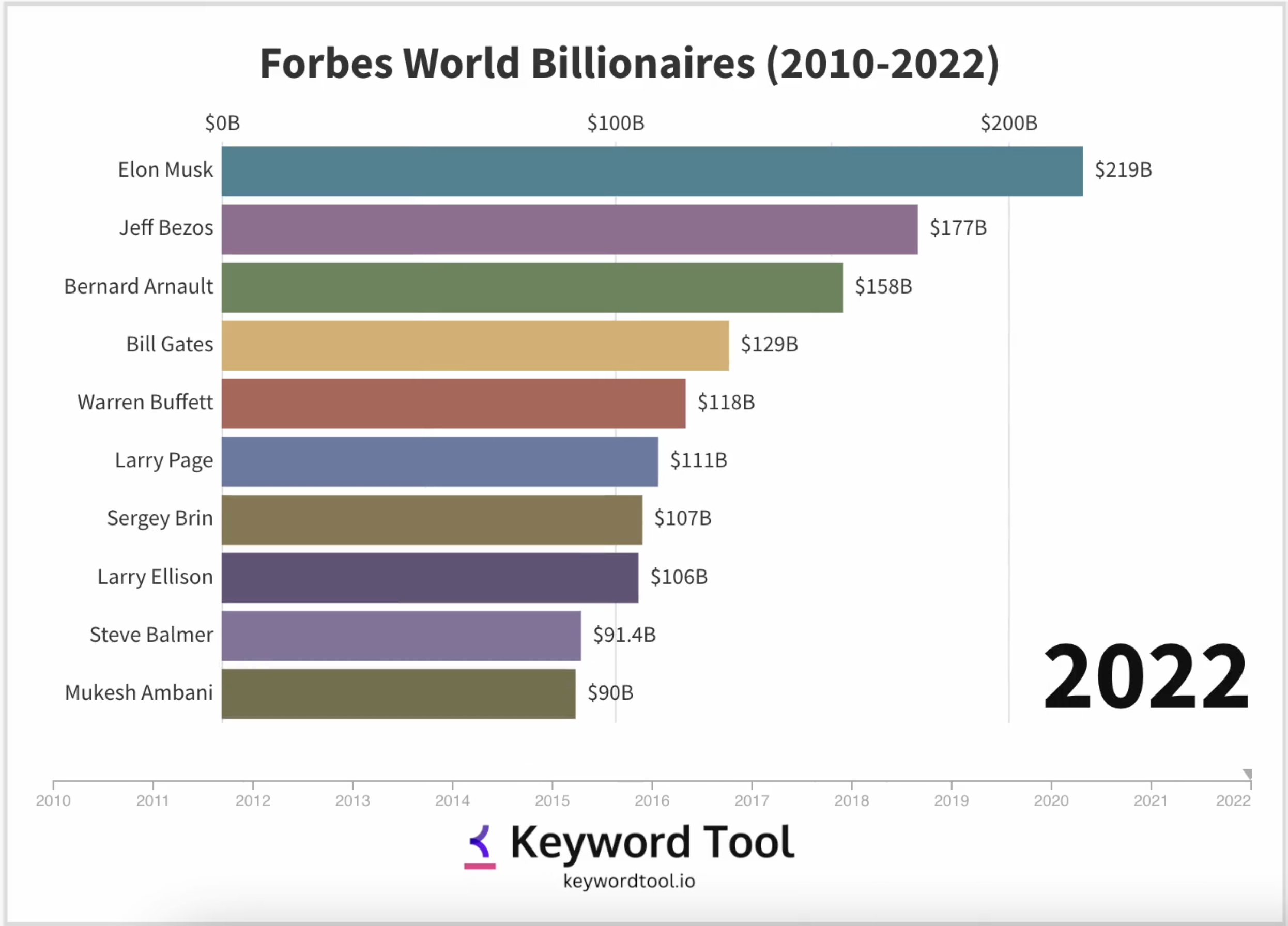
The label of "billionaire" is thrown around casually in modern finance, usually reserved for tech founders, successful industrialists, and global investors. In the criminal underworld, reaching a billion dollars in liquid, accessible wealth is extraordinarily rare. When evaluating claims of Sonny Franzese’s hidden billionaire net worth, several economic and operational factors must be considered.
The Cash Flow vs. Net Worth Reality
Mob bosses like Franzese certainly handled immense amounts of cash, but handling cash is not the same as retaining net worth. Traditional Cosa Nostra structures operated on a trickle-up system where street soldiers kicked earnings up to capos, who in turn paid tribute to the boss or administration. However, a significant portion of this money was constantly reinvested into new illegal operations, used to pay legal fees, or lost to law enforcement seizures.
Video: Sonny Franzese: Mafia Boss WHO placed a $1 Million BOUNTY on his OWN SON! GOT him into Hiding!

Furthermore, high-ranking mobsters notoriously lived well. They spent lavishly on expensive suits, high-end dinners, gambling habits, and mistresses. Unlike modern billionaires whose wealth is tied up in appreciating equity, public stocks, or real estate portfolios, traditional mobsters relied on perishable cash streams that were easily depleted.
Law Enforcement and Asset Forfeiture
Federal agencies, particularly the FBI and IRS, spent decades tracking Franzese’s finances. Under laws like the Racketeer Influenced and Corrupt Organizations (RICO) Act, federal prosecutors aggressively targeted illicit assets. If Franzese had hidden a billion dollars, or even a fraction of that amount in traceable modern accounts, federal forfeiture laws would have likely uncovered and seized those assets.
While prosecutors successfully convicted Franzese on multiple extortion and murder conspiracy charges, court documents and asset forfeiture filings never reflected multi-billion-dollar holdings. In fact, during various court proceedings in his later years, discussions of his personal financial standing pointed to a much more modest reality—one where his family occasionally struggled to pay for his basic care or legal representation without external assistance.
Where Did the Billionaire Rumors Come From?
The modern obsession with mafia wealth often leads to exaggerated headlines on social media, YouTube documentaries, and clickbait articles. Several factors contribute to the myth of a ten-figure mob fortune:
- Hollywood Influence: Movies like The Godfather and GoodFellas create a perception that mob bosses control limitless treasuries.
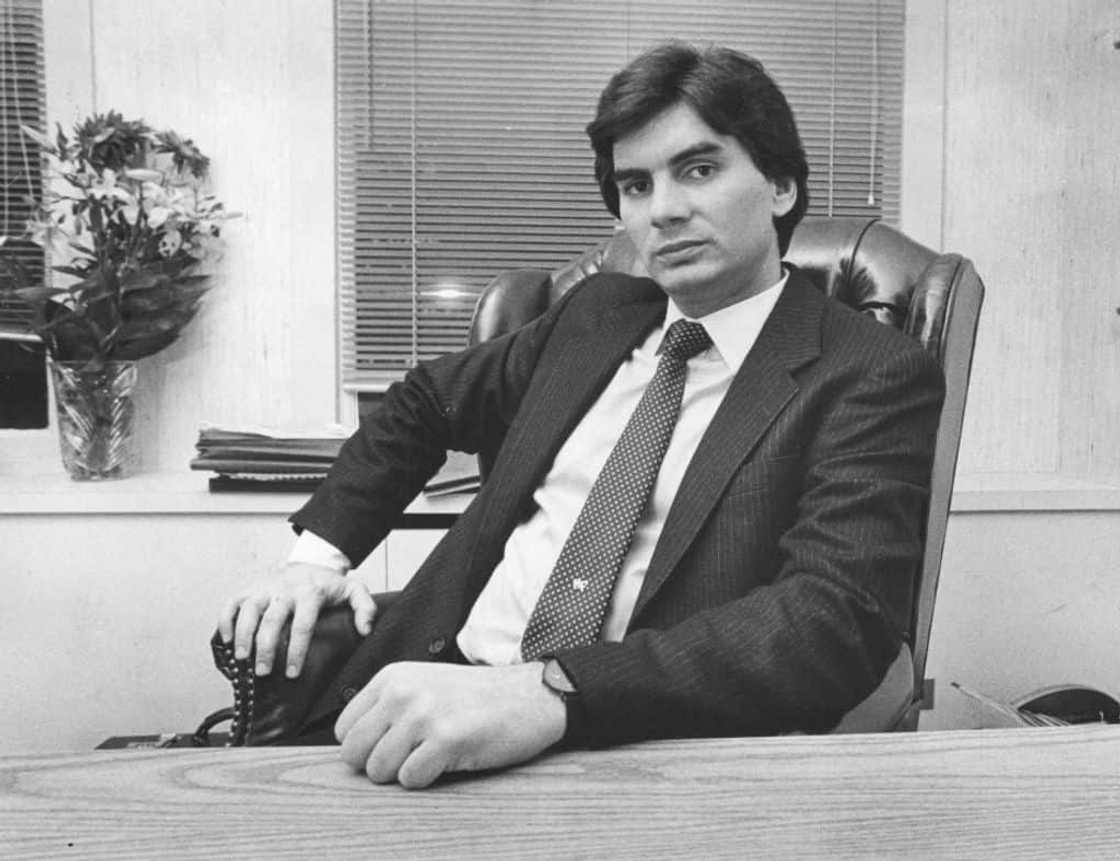
- The Music Connection: Franzese’s son, Michael Franzese, became a born-again Christian speaker and media personality who famously claimed to have earned millions per week during his peak in the Colombo family. Extrapolating these figures over a lifetime leads casual observers to imagine impossible sums.
- Inflation and Exaggeration: As decades pass, stories of mob earnings grow taller, transforming "millions in cash flow over a lifetime" into "billions in hidden assets."
While Michael Franzese was undeniably one of the most lucrative earners in modern mafia history—particularly through his gasoline tax fraud schemes in the 1980s—that money was largely spent, lost, or surrendered as part of federal plea agreements and restitution orders long before it could compound into a billionaire-level legacy.
The True Legacy of Sonny Franzese
John "Sonny" Franzese passed away in 2020 at the age of 103, having spent much of his final decades in federal prison. His legacy is not one of secret corporate empires or billionaire philanthropy, but rather one of endurance, old-school criminality, and the inevitable downfall of the traditional American Mafia.
Ultimately, the narrative surrounding Sonny Franzese’s hidden billionaire net worth tells us more about our cultural fascination with illicit wealth than it does about economic reality. While Franzese lived a life defined by power, fear, and illegal riches, his true financial footprint was far more grounded in the volatile, high-risk world of organized crime than the sterile ledgers of modern billionaires.