Sony A80L vs A80K: Which OLED Should You Buy?
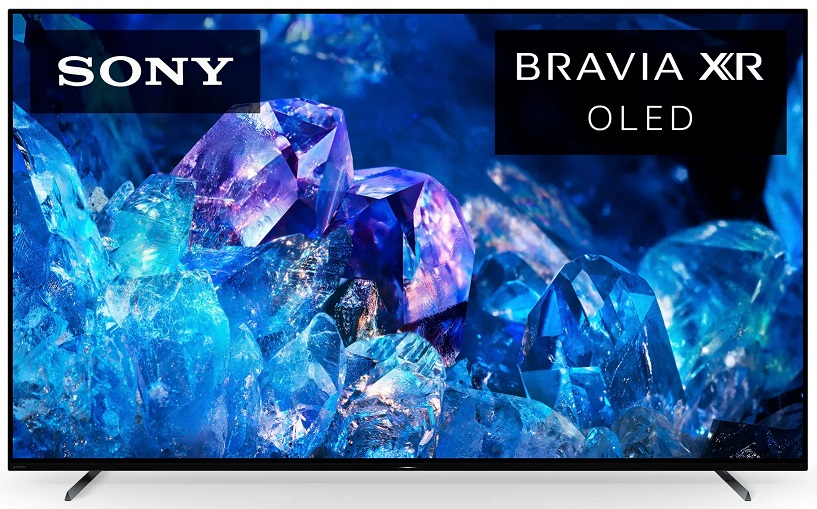
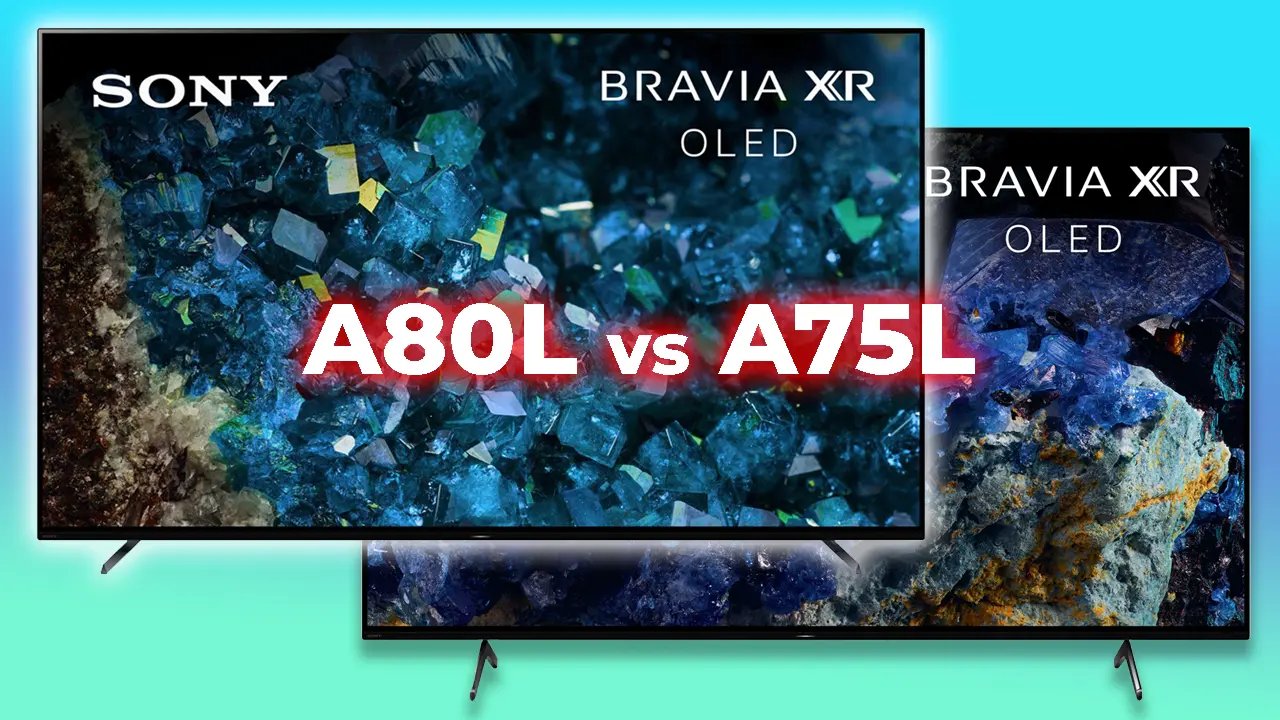
When choosing a premium mid-range OLED television, the debate between successive generations often comes down to refinement versus price. In the case of the Sony A80L vs A80K, buyers are looking at two highly acclaimed displays powered by Sony’s Cognitive Processor XR. The A80K brought notable design and processing strides in 2022, while the 2023 A80L introduced subtle panel improvements, enhanced processing algorithms, and a dedicated gaming interface.

Understanding whether the newer model justifies a higher price tag requires a direct look at real-world panel performance, image processing, gaming capabilities, and audio quality.
Overview: The Core Differences at a Glance
While both TVs use standard WOLED panels manufactured by LG Display, Sony integrated a few deliberate generational upgrades into the A80L:
- Peak Brightness: The A80L delivers roughly 10% to 15% higher peak HDR brightness in real scenes compared to the A80K.
- Image Processing: The A80L features Sony's XR Clear Image engine, which visibly improves the clarity and noise reduction of sub-4K and compressed streaming video.
- Gaming Interface: The A80L introduces an on-screen Game Menu for adjusting motion blur, black equalizer levels, and crosshairs on the fly.
- Available Sizes: The A80K launched in 55, 65, and 77-inch sizes. The A80L keeps those three sizes and adds a massive 83-inch option.
- Cabinet and Stand Design: The A80L uses slim, aluminum wedge feet with a three-way adjustable profile, offering a slightly more minimalist aesthetic than the A80K's titanium-finished feet.
Sony A80L vs A80K: Picture Quality and Brightness
Because both displays rely on WOLED panels, they deliver identical black levels. Each pixel turns off completely, producing infinite contrast and zero blooming around bright objects in dark rooms. Viewing angles are similarly stellar on both models, meaning color saturation and contrast remain stable even when viewed from the side.
The primary visual divergence lies in brightness. The A80K was occasionally criticized for being somewhat dim in daylight-filled living spaces, measuring around 600 to 650 nits of peak brightness in a 10% HDR window. The A80L pushes this closer to 700 to 750 nits depending on the picture mode.
While an extra 100 nits does not transform the A80L into a searing mini-LED panel or match a flagship QD-OLED like the A95L, it yields noticeable benefits in HDR highlight rendering. Specular highlights—such as reflections off chrome, streetlamps at night, and sunlight glinting off water—appear punchier and more dimensional on the A80L.
XR Clear Image: The Secret Weapon
Perhaps the most significant real-world upgrade on the A80L is the introduction of XR Clear Image. This processing suite dynamically identifies resolution, encoding quality, and artifacting within source video.
If you watch a lot of cable broadcasts, sports via broadcast apps, or older 1080p content with heavy digital grain or compression noise, the A80L cleans up macroblocking and banding significantly better than the A80K. The A80K already possessed market-leading upscaling, but the A80L refines text, edge transitions, and fast-moving sports footage with fewer visible processing halos.
Gaming Features and HDMI Connectivity
Both models are built to take advantage of current-generation gaming hardware like the PlayStation 5 and Xbox Series X, but there are distinct workflow differences.
Port Limitations
Both the A80K and A80L share the same hardware limitation: only two of their four HDMI ports support full HDMI 2.1 bandwidth (Ports 3 and 4). Furthermore, Port 3 doubles as the eARC port. If you connect an external soundbar or AV receiver via eARC, you are left with just one HDMI 2.1 port capable of 4K at 120Hz, Variable Refresh Rate (VRR), and Auto Low Latency Mode (ALLM).

Input Lag and the Game Menu
Both models register responsive input lag around 16ms at 4K/60Hz and under 9ms at 4K/120Hz. However, the A80L includes Sony's dedicated Game Menu overlay. Pressing the menu button during a game session pulls up quick toggles for:
- Black Equalizer: Brightens shadow details in dark scenes to spot opponents faster.
- Crosshair Overlays: Adds an on-screen reticle for first-person shooters.
- Screen Resizing: Shrinks the display window to a smaller virtual screen for competitive viewing.
- Motion Blur Reduction: Fine-tunes frame smoothing specifically for gaming.
The A80K lacks this consolidated menu, requiring you to navigate through standard picture settings to make similar adjustments.
Audio Performance: Acoustic Surface Audio+
Sony sets itself apart from competitors by turning the actual screen into a speaker. Both the A80K and A80L utilize actuators placed behind the glass panel to vibrate the screen, complemented by dual rear-firing subwoofers.
This design anchors voices and sound effects directly to where the action occurs on screen. Dialogue clarity on both sets is well ahead of standard down-firing TV speakers.
The A80L gains a slight edge if paired with modern Sony audio gear thanks to improved Acoustic Center Sync integration, allowing the TV to serve as the dedicated center channel in a Sony HT-A series soundbar or Sony home theater setup with better harmonic balance.
Smart TV Platform: Google TV
Both TVs run Google TV, offering an intuitive content-aggregation interface, broad app availability, and hands-free Google Assistant voice control. Navigating the home screen, opening apps like Netflix, Disney+, and Prime Video, and managing streaming subscriptions feels equally fluid on both models.
The A80L includes Sony’s newer Eco Dashboard, which groups power-saving settings into a visual graphic, making it easier to monitor energy draw. Day-to-day usability, however, is virtually indistinguishable between the two generations.
Pricing and Buying Advice
Choosing between these two models typically comes down to availability and pricing margins:
- Buy the Sony A80L if: You frequently watch lower-bitrate streaming services, want the brightest possible HDR highlights in this tier, play competitive games that benefit from quick settings access, or need an 83-inch screen. The processing refinement of XR Clear Image alone makes it the superior choice for varied living room use.
- Buy the Sony A80K if: You find remaining stock at a steep clearance discount (typically 20% to 30% below the A80L). If your viewing consists primarily of high-bitrate 4K Blu-rays or pristine 4K HDR streams in a light-controlled room, the gap between the two TVs narrows significantly.
Final Verdict
The Sony A80L does not reinvent the formula established by the A80K, but it polishes nearly every operational aspect. With a modest bump in peak brightness, a much-improved video de-noising engine in XR Clear Image, and a streamlined gaming interface, the A80L stands as the more versatile and future-proof television. Unless the A80K is offered at a major discount, the A80L is the better investment for most buyers.