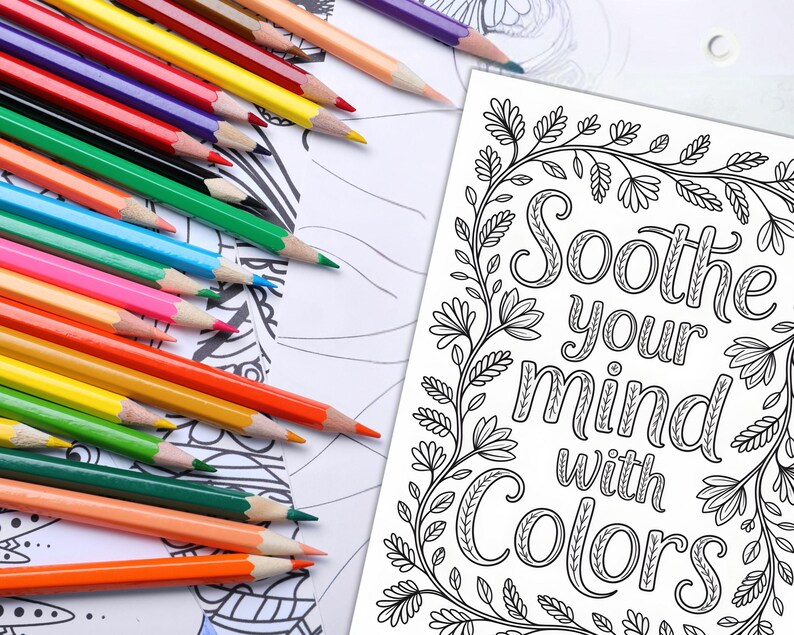
Soothe Young Minds With Preschool Coloring Pages
Modern parenting comes with a unique set of challenges. Toddlers and preschoolers experience big emotions, sensory overload, and transitions that can quickly lead to meltdowns. When your living room feels like a storm of high energy and frustration, finding a reliable way to hit the reset button is essential. If you want to instantly soothe your mind with adorable coloring pages for preschoolers, you are turning to a time-tested, science-backed activity that brings peace to both child and caregiver.

Coloring is far more than a simple rainy-day time filler. It is a powerful mindfulness tool. When young children sit down with crayons and a well-designed sheet, their heart rates stabilize, their breathing slows down, and their restless energy finds a constructive outlet. This guide explores why coloring works so well for emotional regulation and how you can use it to create moments of daily tranquility.
The Science of Calm: Why Coloring Works for Young Children
Childhood development experts and occupational therapists frequently recommend art activities to help children manage anxiety. Preschoolers live in the present moment, but they struggle to process overwhelming sensory input. When they transition from running around to sitting quietly with a coloring sheet, several physiological changes occur.
Bilateral Coordination and Focus
Holding a crayon requires a pincer grasp, which strengthens hand muscles. More importantly, coloring requires a child to use both hands simultaneously—one to hold the paper steady and the other to guide the crayon. This bilateral coordination engages both hemispheres of the brain, creating a state of focused concentration often referred to as a "flow state." During this state, external stressors melt away.
Screen-Free Sensory Reset
Many modern calming strategies rely on tablets or phones, but screens can sometimes overstimulate a preschooler's developing nervous system. Paper and crayons provide tactile feedback—the scratch of wax on paper, the vibrant pigment appearing under tiny fingers, and the physical boundary of the lines. This tangible experience anchors a child in the physical world, offering a genuine mental break.
Video: How to color bubbles 🫧 Cozy Cats Stress Relief Coloring Book #howtocolor #bubbles ##ohuhumarkers

Choosing the Right Sheets for Emotional Regulation
Not all art activities have complex therapeutic benefits. To achieve a soothing effect, you need to be selective about the types of illustrations you offer. Avoid cluttered, highly detailed coloring books designed for older children or adults, as these can frustrate a four-year-old.
- Simple Outlines: Look for bold, thick lines that make it easy for small hands to stay within boundaries, reducing the risk of frustration.
- Gentle Themes: Choose friendly animals, sleepy sloths, smiling clouds, blooming flowers, or soft teddy bears rather than high-action superhero scenes.
- Positive Imagery: Cute characters with calm, happy expressions naturally prompt children to mirror those peaceful emotional states.
How to Create a Mindful Coloring Routine
Having the right pages is only half the battle. How you introduce the activity dictates whether it feels like a chore or a therapeutic retreat. Follow these steps to turn coloring into an effective emotional reset.
- Designate a Calm Corner: Set up a low table with good lighting, a basket of chunky crayons, and a stack of fresh printouts. Keep this space free from toys and screens.
- Join the Session: Sit down with your own coloring page. Preschoolers learn through observation. When they see a parent quietly coloring alongside them, they understand that this is a time for quiet reflection, not chaotic scribbling.
- Play Soft Background Music: Pair the visual art with gentle acoustic music, nature sounds, or soft classical melodies to deepen the sensory calming effect.
- Focus on the Process, Not the Product: Never critique whether your child stays inside the lines. Praise their concentration or the colors they choose: "I love how peaceful that blue looks on the whale's back."
Additional Benefits Beyond Relaxation
While the primary goal is mental soothing, these adorable art sessions deliver a host of hidden developmental perks that prepare children for formal schooling.
- Fine Motor Skill Development: Mastering crayon control builds the exact dexterity needed later for handwriting and cutting with safety scissors.
- Emotional Vocabulary: Use the characters on the page to talk about feelings. Ask questions like, "Do you think this little bear looks happy and relaxed? What makes you feel relaxed?"
- Patience and Perseverance: Completing a small section teaches delayed gratification in a low-pressure environment.
Conclusion
Parenting a preschooler requires a deep toolkit of patience and redirection. When emotions run high and the household needs a collective deep breath, simple, endearing art activities offer an accessible sanctuary. By leaning into the mindful power of crayons and paper, you can help your child navigate big feelings while carving out a peaceful, screen-free moment for the entire family to enjoy together.