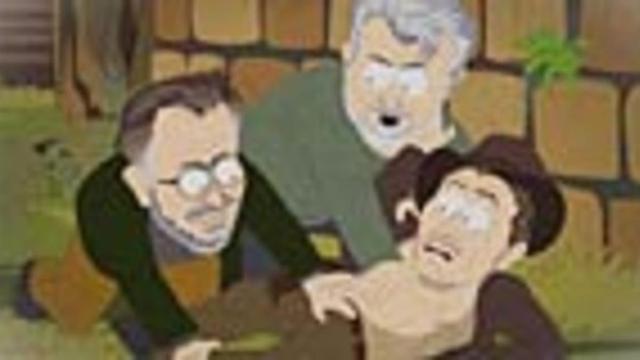
South Park, Violen, and Indiana Jones: The Controversy
Few television shows have pushed the boundaries of satire quite like South Park. Over the decades, creators Trey Parker and Matt Stone have taken aim at politics, religion, celebrities, and blockbuster cinema. Among their most memorable cinematic targets is the legendary adventure franchise created by George Lucas and Steven Spielberg. When fans talk about South Park violen a indiana jones, they are usually referring to one of the most talked-about, shocking, and darkly hilarious cultural critiques in animated television history.

In this article, we break down how the show addressed the beloved archaeologist, the controversies surrounding extreme animated violence, and why these specific episodes continue to resonate with pop culture enthusiasts today.
The Intersection of South Park and Indiana Jones
For millions of moviegoers, Indiana Jones represents the golden age of cinematic adventure. Armed with a fedora, a leather jacket, and a bullwhip, Indy battled Nazis, cultists, and Soviet agents while uncovering ancient artifacts. However, South Park rarely leaves sacred cows unslaughtered. When the creators decided to tackle the franchise—particularly following the release of later sequels—they did not hold back.
Instead of a straightforward parody, the show used the character of Indiana Jones to comment on aging Hollywood icons, creative bankruptcy, and the desensitization of modern audiences to on-screen action. The resulting satire turned a nostalgic childhood hero into the butt of a very dark joke.
Why Fans Search for "Violen" and Indiana Jones
The internet is full of specific search queries, and combinations like south park violen a indiana jones often stem from international fans, autocorrect quirks, or specific viral clips shared across social media platforms like TikTok and YouTube. In Spanish-speaking and international fandoms, terms sometimes get blended ("violen" translating roughly to "they violate" or relating to extreme violence in Spanish contexts). This reflects how globalized the South Park audience truly is, with viewers searching for the exact moments where the show crossed traditional broadcast lines.
The controversy primarily stems from episodes that parody major Hollywood releases, where beloved characters are subjected to graphic, exaggerated trauma. By juxtaposing a wholesome family-adventure icon with the signature ultra-violence of South Park, the creators generated massive shock value that immediately trended worldwide.
Video: Indiana Jones - South Park

Breaking Down the Satire
To understand why these episodes left such a lasting mark, it helps to look at the specific targets of Parker and Stone's writing:
- Deconstructing Nostalgia: The show frequently targets how modern studios dig up old franchises long past their prime, milking them for cash rather than creative storytelling.
- Exaggerated Consequences: Classic adventure movies feature plenty of action, but characters rarely face realistic physical consequences. South Park dials this up to an absurd, gruesome extreme.
- Audience Reaction: By forcing viewers to watch a beloved hero suffer a ridiculous fate, the show tests the limits of what audiences find funny versus what they find disturbing.
The Impact on Pop Culture
Decades after its debut, South Park remains a cultural litmus test. Episodes that target major intellectual properties like Indiana Jones remind Hollywood that nothing is truly immune to critique. While studio executives might wince at the parodies, fans continue to analyze, quote, and debate these controversial segments online.
Whether you view these moments as genius satire or crossing the line into bad taste, they undeniably cement the show's willingness to challenge mainstream sensibilities.
Conclusion
The collision of South Park, extreme animated violence, and Indiana Jones remains a fascinating chapter in modern television history. By subverting a cherished cinematic icon, Trey Parker and Matt Stone proved once again that no franchise is too big to fail their comedic standards. As long as Hollywood continues to pump out sequels and reboots, viewers can expect South Park to keep pointing out the absurdity of it all.