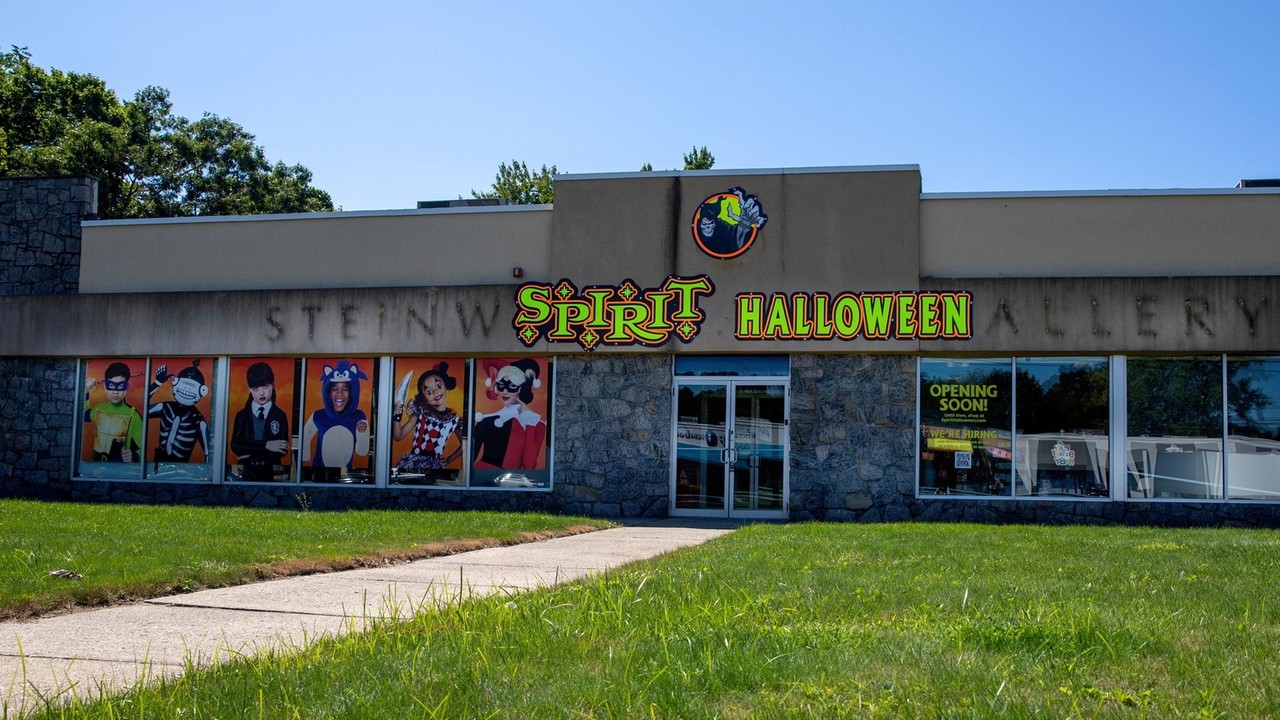
Spirit Halloween Superstores LLC: Pop-Up Empire
Every August, across strip malls and suburban shopping centers throughout North America, vacant retail spaces undergo an overnight transformation. Bright orange and black banners replace faded signs of bankrupt department stores, signaling the arrival of autumn. Behind this annual phenomenon is Spirit Halloween Superstores LLC, the world’s largest seasonal Halloween retailer. Operating roughly 1,500 pop-up locations each year, the company has turned the ephemeral nature of pop-up retail into a masterclass in modern commercial logistics and cultural marketing.

From a Single Dress Shop to a Retail Powerhouse
The company’s origins trace back to 1983 in Castro Valley, California. Retailer Joe Marver ran a women’s apparel store called the Spirit Store. Noticing that business slowed dramatically in late summer, Marver decided to pivot: he packed away the clothing and stocked seasonal Halloween masks, makeup, and costumes. The experiment was an immediate success, generating more revenue in 30 days than the apparel store produced over several months.
Recognizing the untapped potential of temporary holiday retail, Marver expanded the concept, opening multiple pop-up locations across the West Coast over the following decade. In 1999, specialty retail operator Spencer Gifts LLC (an affiliate of retail holding firm Park Lane) acquired Spirit Halloween, which at the time consisted of approximately 60 stores. Under Spencer’s ownership and leadership from its Egg Harbor Township, New Jersey headquarters, the brand grew exponentially, scaling from dozens of stores to well over a thousand.
The Business Model of Spirit Halloween Superstores LLC
Operating a business that makes nearly all of its revenue in a roughly eight-week window requires an entirely different operational blueprint than traditional brick-and-mortar retail. Spirit Halloween Superstores LLC relies on a hyper-disciplined strategy centered on opportunistic real estate, lean staffing, and rapid inventory turnover.
1. The Tactical Real Estate Playbook
Spirit Halloween is perhaps best known for occupying dead commercial spaces. When retail giants like Sears, Toys “R” Us, Bed Bath & Beyond, or Circuit City shutter, Spirit’s real estate team steps in. The company scouts properties year-round, looking for locations with high visibility, ample parking, and footprints ranging between 5,000 and 50,000 square feet.
For landlords, partnering with Spirit solves an immediate financial headache. Vacant storefronts generate zero income while still incurring property taxes, maintenance costs, and insurance. Spirit signs temporary, short-term leases (typically running from mid-summer through mid-November) and often accepts “kick-out clauses.” These clauses allow landlords to cancel the lease early if a permanent, long-term tenant is secured before Spirit occupies the space, giving property owners complete flexibility.
2. Turnkey Store Builds and Deconstructions
Opening 1,500 stores in a matter of weeks is an enormous operational challenge. Spirit overcomes this through standardized, modular fixtures:
- Modular Displays: Shelving, signage, and costume racks arrive on standardized pallets, engineered for assembly by temporary crews with minimal tools in less than 72 hours.
- Proprietary Floorplans: Store layouts follow a uniform grid system tailored to category, guiding foot traffic toward high-margin accessories, makeup, and featured centerpieces.
- Rapid Tear-Down: When the season closes on November 1st, stores are packed up, cleaned, and handed back to landlords in broom-clean condition within 48 to 72 hours. Unsold inventory is consolidated and shipped back to regional distribution centers.
Proprietary Animatronics and the Cult Following
While costumes and party supplies drive steady unit sales, Spirit’s crown jewels are its life-sized animatronics and interactive store displays. In the late 2000s, the company shifted from reselling generic third-party props to commissioning exclusive, proprietary animatronic characters.
The In-Store Experience (ISE)

Each season, Spirit designs a themed walk-through installation known internally as the “In-Store Experience” (ISE). These interactive displays feature sensor-activated monsters, sound effects, and lighting rigs that turn ordinary shopping runs into haunted house attractions. This immersive environment creates a compelling reason for customers to visit in person rather than shopping online.
Fostering a Collector Community
The company’s focus on unique animatronics has cultivated an unexpected secondary market: enthusiastic prop collectors. Every summer, Spirit fans eagerly await the brand’s “reveal season,” during which new animatronics are teased via social media and YouTube. These products—often priced between $150 and $400—frequently sell out well before October, traded and showcased by hobbyists across online forums.
Licensing and Trend Capitalization
Halloween retail is inextricably tied to pop culture. A character that is popular in July can become the highest-selling costume of October. Spirit Halloween Superstores LLC maintains an agile design and licensing pipeline that allows it to capitalize on these shifts.
The company secures official licensing agreements with major studios and brands, including Warner Bros., Disney, Paramount, and Netflix. Whether stocking official gear from horror franchises like Halloween, Scream, and Beetlejuice, or producing costumes based on viral video games and streaming shows, Spirit ensures it captures customer interest at peak relevance. Additionally, its in-house design team produces hundreds of original, unbranded costume variations to provide budget-friendly options.
Giving Back: The Spirit of Children Program
Beyond retail operations, Spirit Halloween Superstores LLC runs a dedicated philanthropic initiative known as Spirit of Children. Founded in 2006, the foundation raises funds for Child Life departments in partner pediatric hospitals across the United States and Canada.
Child Life specialists work to make hospital stays less intimidating for young patients and their families by providing play therapy, education, and emotional support. Through register donations, vendor partnerships, and seasonal events, the program has raised over $125 million to date. Each October, Spirit staff also bring costumes, decorations, and celebrations directly to pediatric patients who are unable to leave the hospital for traditional trick-or-treating.
Future Horizons: Year-Round Ambitions and 'Spirit Christmas'
Despite its seasonal pop-up identity, Spirit has continually tested ways to expand its commercial footprint:
- E-Commerce Operations: SpiritHalloween.com operates 365 days a year, serving theatrical productions, convention attendees, and horror collectors during the off-season.
- The Spirit Christmas Experiment: In 2024, the company announced a test run of “Spirit Christmas” pop-up locations in select Northeast markets, featuring holiday decor, stocking stuffers, and Santa photo stations to evaluate whether their pop-up model can dominate the winter holidays as well.
- Meme and Pop Culture Dominance: The brand has leaned heavily into its internet status as an icon of dead malls and swift takeovers, turning self-referential humor into free, viral brand awareness.
The Blueprint for Pop-Up Success
Spirit Halloween Superstores LLC demonstrates that physical retail is far from dead; it simply requires the right incentives, agile execution, and experiential value. By combining low real estate overhead, exclusive product offerings, and theatrical store environments, the company continues to prove that temporary retail can yield enduring, long-term success.