Sponge Cake Calories: Ultimate Breakdown & Guide
Understanding Sponge Cake Calories

Sponge cake is a beloved staple of afternoon teas and birthday celebrations worldwide. Light, airy, and versatile, it feels like a relatively harmless treat compared to heavy, butter-laden mud cakes. However, if you are tracking your daily energy intake, you might wonder about the exact sponge cake calories hiding in that unassuming slice.
On average, a standard, un-iced plain sponge cake contains roughly 250 to 300 calories per 100-gram serving. Because sponge cake is mostly composed of air, eggs, flour, and sugar, the exact number fluctuates based on the recipe, portion size, and any fillings or frostings applied.
Nutritional Breakdown of Classic Sponge Cakes
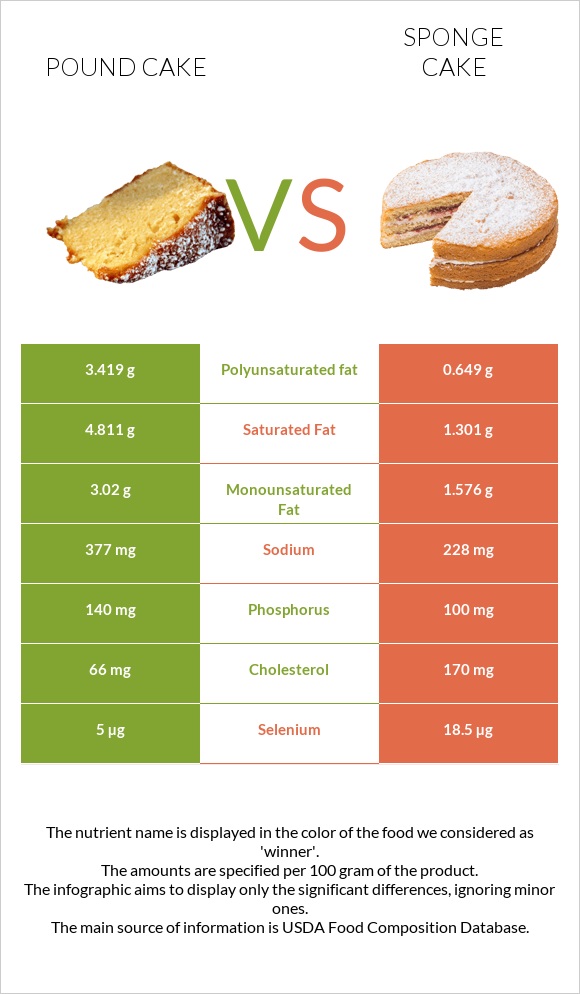
To understand the calorie profile of your dessert, it helps to look at the individual components. Traditional sponge cakes rely on whipped eggs to provide rise rather than chemical leaveners, meaning they are naturally lower in fat than pound cakes or butter cakes. However, sugar and flour still contribute significant carbohydrates.
Plain Sponge Cake (No Filling)
A simple, bare-bones sponge cake—often referred to as a genoise or basic sponge—is the lightest option. A standard slice (roughly 60 grams) typically contains:
- Calories: 170–200 kcal
- Protein: 4g
- Fat: 5g
- Carbohydrates: 30g
Because there is little to no butter in the batter, the fat content remains low, coming primarily from the egg yolks.
Victoria Sponge Cake with Jam and Cream
The classic British Victoria sponge introduces two major calorie contributors: buttercream (or whipped cream) and fruit jam. A standard slice of Victoria sponge (approx. 90–100 grams) jumps significantly in energy density:
- Calories: 320–380 kcal
- Protein: 4g
- Fat: 14g
- Carbohydrates: 45g
The layer of jam adds pure sugar, while the buttercream or fresh cream introduces a heavy dose of dairy fat, almost doubling the calorie count compared to a plain sponge.
Chiffon and Angel Food Cake
If you want to keep your calorie intake to an absolute minimum, angel food cake and chiffon cake are your best bets. Angel food cake uses only egg whites, sugar, and flour—meaning it contains zero fat.
- Angel Food Cake (per 60g slice): ~140 calories
- Chiffon Cake (per 60g slice): ~170–200 calories (uses oil rather than butter, but is lighter than standard sponge)
Factors That Impact the Calorie Count
Not all slices of cake are created equal. When calculating sponge cake calories, you must factor in how the cake is baked, decorated, and served.
Portion Size is Everything
Bakeries often serve massive wedges that weigh 120 grams or more. A bakery-style slice slathered in jam and dusted heavily with powdered sugar can easily exceed 450 calories per serving. Weighing your food on a digital kitchen scale is the most accurate way to track your intake.
Frostings, Fillings, and Toppings
The sponge itself is rarely the main driver of calories; the adornments are. Consider the impact of common additions:
- Buttercream frosting: Adds roughly 100–150 calories per two tablespoons.
- Whipped cream filling: Adds about 50–80 calories per serving, depending on fat content and sugar.
- Fruit jam: Adds about 50 calories per tablespoon.
- Fondant icing: Primarily sugar, adding dense carbohydrates and around 40 calories per ounce.
How to Reduce Calories in Homemade Sponge Cake
If you love baking but want to enjoy your treats guilt-free, you can easily modify standard recipes to lower the calorie count without ruining the texture.
- Swap whole eggs for egg whites: Using a mix of whole eggs and extra whipped egg whites reduces the fat content while maintaining the airy structure.
- Use applesauce or yogurt: In moisture-rich sponge variations, substituting a portion of the fat or dairy with unsweetened applesauce slashes calories significantly.
- Opt for sugar substitutes: Baking-friendly sweeteners like erythritol, monk fruit, or stevia can replace refined sugar, cutting out almost all the sugar-based carbohydrates.
- Fill with fresh fruit: Instead of heavy buttercream, fill your sponge with fresh strawberries, raspberries, or a light dusting of powdered sugar rather than a thick layer of jam.
The Bottom Line
Sponge cake is one of the more diet-friendly dessert choices available, provided you skip the heavy frostings and keep your portions reasonable. A plain slice or a light angel food cake easily fits into a balanced nutritional plan, while loaded Victoria sponges are best saved for occasional treats. By paying attention to portion sizes and ingredients, you can satisfy your sweet tooth without derailing your health goals.


