St Louis County Allergy Index: Seasonal Guide
For residents of the Gateway City region, tracking the st louis county allergy index is practically a daily routine. St. Louis routinely ranks among the most challenging metropolitan areas in the United States for allergy sufferers, largely due to its unique geographical position, humid river basin climate, and rich variety of native flora. Whether your eyes water the moment you step outside in April or you experience persistent sinus pressure come September, knowing how to interpret local allergy reports can dramatically improve your daily comfort.

Understanding the St Louis County Allergy Index
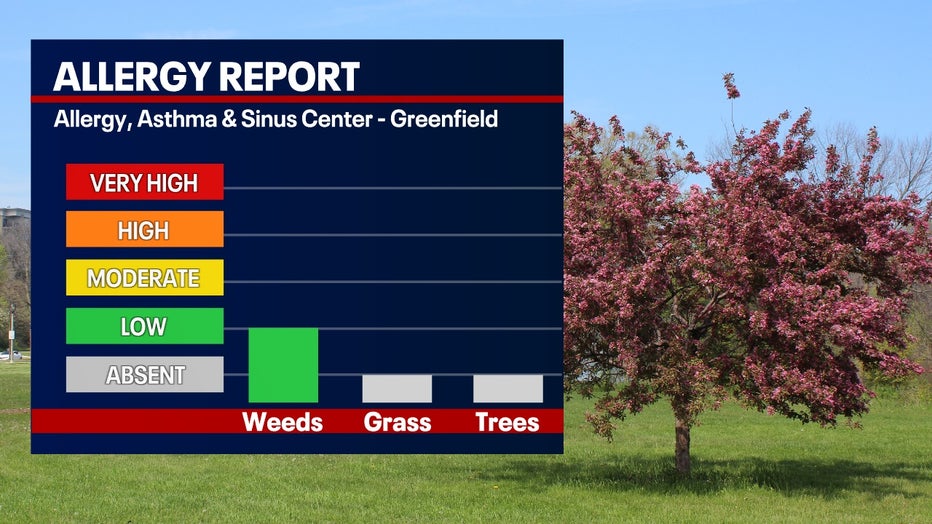
An allergy index translates complex scientific data—specifically the concentration of airborne allergens measured in grains per cubic meter of air—into a straightforward scale that the public can use to plan daily activities. In St. Louis County, local environmental reporting and weather services generally categorize pollen and mold counts into four or five tiers:
- Low (0–2.4): Only individuals with hyper-sensitive allergies will notice minor irritation.
- Moderate (2.5–4.8): Common sufferers will begin to experience mild symptoms like sneezing, mild congestion, or itchy eyes.
- High (4.9–7.2): Most people with diagnosed environmental allergies will experience noticeable, uncomfortable symptoms. Outdoor exposure should be limited.
- Very High (7.3–12.0): Severe symptoms are widespread. Even people without formal diagnoses may feel respiratory irritation or eye fatigue.
Certified counting stations in the St. Louis region collect air samples over a 24-hour period using specialized volumetric air samplers. Analysts identify and count individual pollen grains and fungal spores under a microscope, giving an accurate snapshot of what is circulating in the county’s air.
Seasonal Pollen Patterns in St. Louis County
Allergies in eastern Missouri are rarely confined to a single month. Because of the area's prolonged growing seasons, residents face a rolling cycle of airborne triggers that shift across three distinct seasons.
Spring: Tree Pollen Peak (Late February to May)
Spring is often the most aggressive period for outdoor allergies in St. Louis County. As temperatures climb, native hardwood trees release enormous quantities of fine, light pollen designed to travel miles on the wind.
The primary culprits include:
- Oak: By far the heaviest contributor to high spring index days, producing yellow dust visible on cars and patios.
- Maple and Boxelder: Early bloomers that can trigger symptoms as early as mid-February.
- Eastern Red Cedar (Juniper): Common throughout county parks and suburban yards, notorious for causing intense sinus irritation.
- Birch, Ash, and Walnut: Mid-spring contributors that prolong symptoms well into May.
Summer: Grass Pollen and Early Mold (May to July)
As tree pollen tapers off, lawn grasses and pasture fields take over. Grass pollen grains are relatively large, but they cause intense localized inflammation in the upper respiratory tract.
Common species across suburban St. Louis County include Kentucky bluegrass, Bermuda grass, Timothy grass, and orchard grass. Summer heat combined with afternoon thunderstorms also fuels ambient mold spore production, particularly Alternaria and Cladosporium, which thrive in moist soil, compost, and cut grass.
Fall: Ragweed and Fungal Spores (August to the First Frost)
Late summer through autumn brings ragweed, the single most allergenic weed species in North America. A single ragweed plant can produce up to one billion pollen grains in a single season. In the river bottomlands and open fields of St. Louis County, both common and giant ragweed flourish.
Compounding the problem, fallen autumn leaves collect moisture along curbs, gutters, and forest floors, creating prime breeding grounds for outdoor molds until the region experiences its first hard freeze.
Why St. Louis County Faces Such Severe Allergy Levels
Several geographic and environmental conditions converge to make St. Louis County an allergy hotspot:
- River Basin Geography: Nestled near the confluence of the Missouri, Mississippi, and Meramec rivers, the county sits in a low-elevation basin. Warm, humid air often settles over the region, trapping particulate matter, ozone, and pollen near ground level rather than dispersing it.
- High Humidity: Consistent humidity throughout late spring and summer accelerates the growth of both outdoor and indoor mold spores.
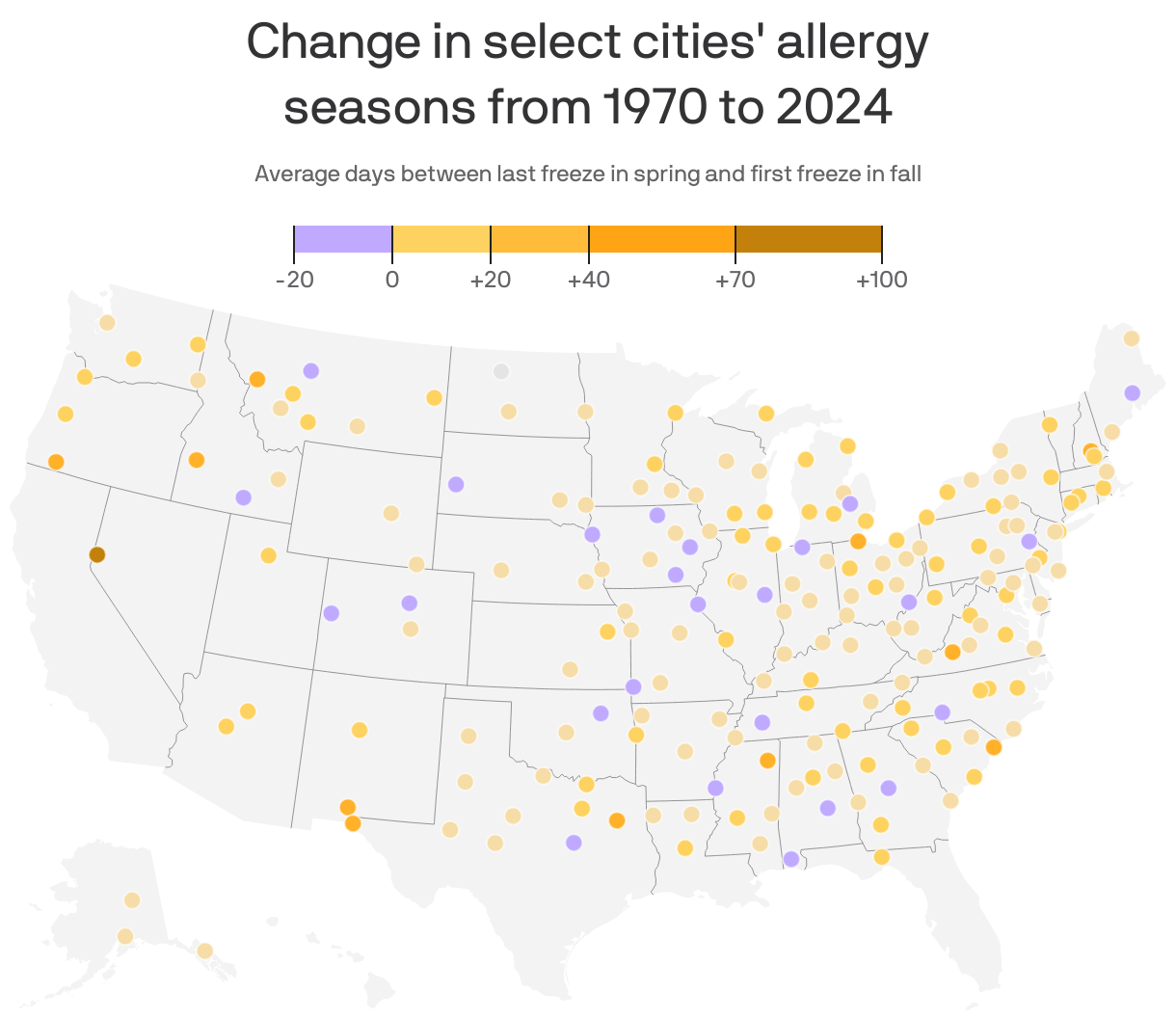
- Extended Frost-Free Windows: Over recent decades, the Midwest has experienced longer frost-free periods, giving plants a longer window to flower and generate pollen.
- Rich Urban Canopy: St. Louis County boasts established, tree-lined neighborhoods. While great for shade and property value, mature oak, ash, and maple canopies produce dense local pollen concentrations.
How to Interpret Daily Reports and Plan Ahead
Pollen counts fluctuate based on daily weather conditions. Understanding these patterns helps you anticipate when the allergy index will spike:
- Windy, Warm, Dry Days: Expect elevated counts. Wind carries pollen grains over long distances and keeps them suspended at head height.
- Rainy Periods: Rain washes pollen out of the air, offering immediate temporary relief. However, heavy downpours can rupture pollen grains into smaller, more easily inhaled particles. Within 24 to 48 hours following rain, plant growth surges and mold counts typically jump.
- Time of Day: Tree and weed pollens are typically released at dawn and peak between mid-morning and early afternoon. Grass pollen tends to peak in the late afternoon and early evening.
Practical Actions for High Index Days
When the local index climbs into the "High" or "Very High" range, proactive habits can keep symptoms manageable without completely confining you indoors.
Manage Your Indoor Environment
Your home should serve as a low-allergen sanctuary. Keep windows closed during peak pollen months and rely on central air conditioning. Install high-efficiency particulate air (HEPA) filters in your HVAC system, checking them monthly during spring and fall. A freestanding HEPA purifier in the bedroom can remove lingering microscopic particles while you sleep.
Practice Decontamination Routines
Pollen easily hitches a ride indoors on skin, hair, clothing, and pets. If you spend extended time outdoors on high-count days:
- Leave your shoes by the entryway to avoid tracking pollen across carpets.
- Change your clothes immediately upon returning home.
- Rinse off in the shower before bed to prevent transferring pollen to your pillowcase.
- Wipe down outdoor dogs with a damp towel after walks, focusing on their paws and coat.
Time Your Medications Correctly
Allergy treatments are significantly more effective when used preventatively rather than reactively. Second-generation oral antihistamines, steroid nasal sprays, and mast-cell stabilizers work best when started one to two weeks before your specific trigger season peaks. Using an over-the-counter sterile saline nasal rinse after outdoor exposure can physically flush allergens out of your nasal passages before they trigger an immune cascade.
When to Seek Professional Guidance
If over-the-counter treatments fail to control your symptoms, or if seasonal allergies progress to chronic sinus infections, ear pressure, or asthma flare-ups, consult a board-certified allergist in the St. Louis area. Professional skin-prick testing can pinpoint the exact tree, grass, or weed species triggering your immune system, opening the door to targeted therapies such as sublingual tablets or subcutaneous immunotherapy (allergy shots).
By regularly monitoring the daily allergy index and adjusting your routines accordingly, you can enjoy everything St. Louis County has to offer across every season—without letting pollen dictate your schedule.