St Pete Beach Florida Water Temperature Guide
Planning a trip to the sun-drenched shores of Florida's Gulf Coast requires more than just checking the air forecast. Whether you are looking forward to relaxing in the surf or trying out paddleboarding, knowing the St Pete Beach Florida water temperature is essential for making the most of your vacation.

Because St Pete Beach sits right on the warm waters of the Gulf of Mexico, it experiences distinct seasonal temperature shifts that make it a year-round destination, though the swimming experience changes dramatically from winter to late summer.
St Pete Beach Florida Water Temperature by Month
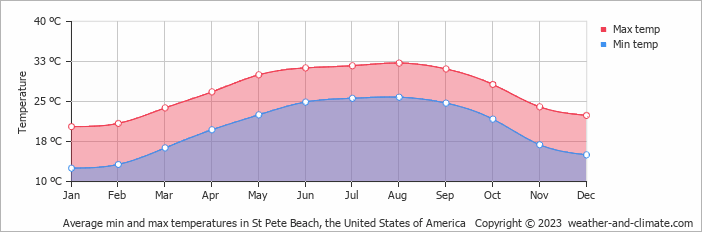
Water temperatures in St Pete Beach fluctuate significantly throughout the year, ranging from refreshing winter lows to bath-like summer highs. Here is a month-by-month breakdown of what you can expect when you step into the Gulf:
- January: 60°F – 65°F (15°C – 18°C). Crisp and refreshing, typically requiring a wetsuit for extended water sports.
- February: 62°F – 67°F (16°C – 19°C). Slowly warming up, but still brisk for casual swimming.
- March: 68°F – 73°F (20°C – 23°C). Spring break brings milder conditions, comfortable for short dips.
- April: 74°F – 78°F (23°C – 26°C). Highly pleasant, marking the comfortable start of the spring swimming season.
- May: 79°F – 83°F (26°C – 28°C). Warm, crystal-clear, and ideal for all beach activities.
- June: 84°F – 87°F (29°C – 31°C). Noticeably warm as summer sets in across Pinellas County.
- July: 86°F – 89°F (30°C – 32°C). Peak summer warmth, feeling like a warm bath.
- August: 87°F – 90°F (31°C – 32°C). Often the warmest month of the year for Gulf waters.
- September: 84°F – 88°F (29°C – 31°C). Still deeply warm and inviting as summer transitions into fall.
- October: 78°F – 83°F (25°C – 28°C). Great swimming weather with lower humidity and warm seas.
- November: 71°F – 76°F (22°C – 24°C). Cooling down quickly, though manageable for quick swims on sunny afternoons.
- December: 64°F – 69°F (18°C – 20°C). Chilly for most swimmers, though popular for holiday beach walks.
Seasonal Swimming Conditions
Understanding how the seasons affect the local marine environment helps you pack the right gear and set your expectations for your beach getaway.
Winter and Early Spring (December – March)
During the winter months, cold fronts sweep down from the north, occasionally dropping air and water temperatures. While hardy locals and visitors still wade into the surf, water temperatures in the low 60s can feel quite chilly. If you plan on visiting during this time, look for hotels with heated pools, or plan your beach days for the sunniest afternoon hours when the air temperature peaks.
Video: [4K] St Pete Beach, Florida #1 BEST BEACH in the U.S. in 2021 | Walking Tour & Vacation Travel Guide
Late Spring and Summer (May – October)
If your goal is to spend hours floating in the ocean, summer is the undisputed champion. By May, the Gulf heats up past 78°F, and by July and August, water temperatures regularly hover near 85°F to 90°F. These warm, tropical conditions make St Pete Beach feel like a true island oasis. However, high water temperatures in late summer can occasionally contribute to environmental phenomena like red tide, so it is always wise to check local beach conditions before heading out.
Factors That Impact Gulf Water Temperatures
Several environmental factors can cause the daily water temperature at St Pete Beach to vary from the monthly averages:
- Shallow Waters: The Gulf of Mexico along Florida's west coast features a very gradual slope and shallow depth near the shore. This means the water absorbs solar heat quickly during the day, warming up faster than deeper ocean waters.
- Weather and Wind: Strong onshore winds can mix the water column, bringing slightly cooler water up from the depths, while stagnant, sunny days bake the surface layers.
- Tides and Currents: Tidal movements through local passes, such as Boca Ciega Bay or John's Pass, can occasionally introduce slightly cooler or warmer water into the nearshore swimming zones.
Tips for Enjoying the Water Year-Round
To make the most of your time on the sand, keep these practical tips in mind:
- Check Real-Time Buoy Data: Before heading to Upham Beach or Pass-a-Grille, check online marine forecasts or NOAA buoy reports for the most accurate, up-to-date water temperature readings.
- Wear Sun Protection: Warmer water often coincides with intense tropical sun. Apply broad-spectrum sunscreen frequently, especially when you are spending hours floating in the Gulf.
- Know Your Limits: Even in summer, water safety matters. Pay attention to local flag warnings regarding rip currents and marine life, such as jellyfish, which can occasionally appear when water temperatures shift.
St Pete Beach offers some of the finest shoreline in the United States. By understanding the typical water temperature patterns throughout the year, you can time your visit perfectly for the ultimate Gulf Coast beach vacation.