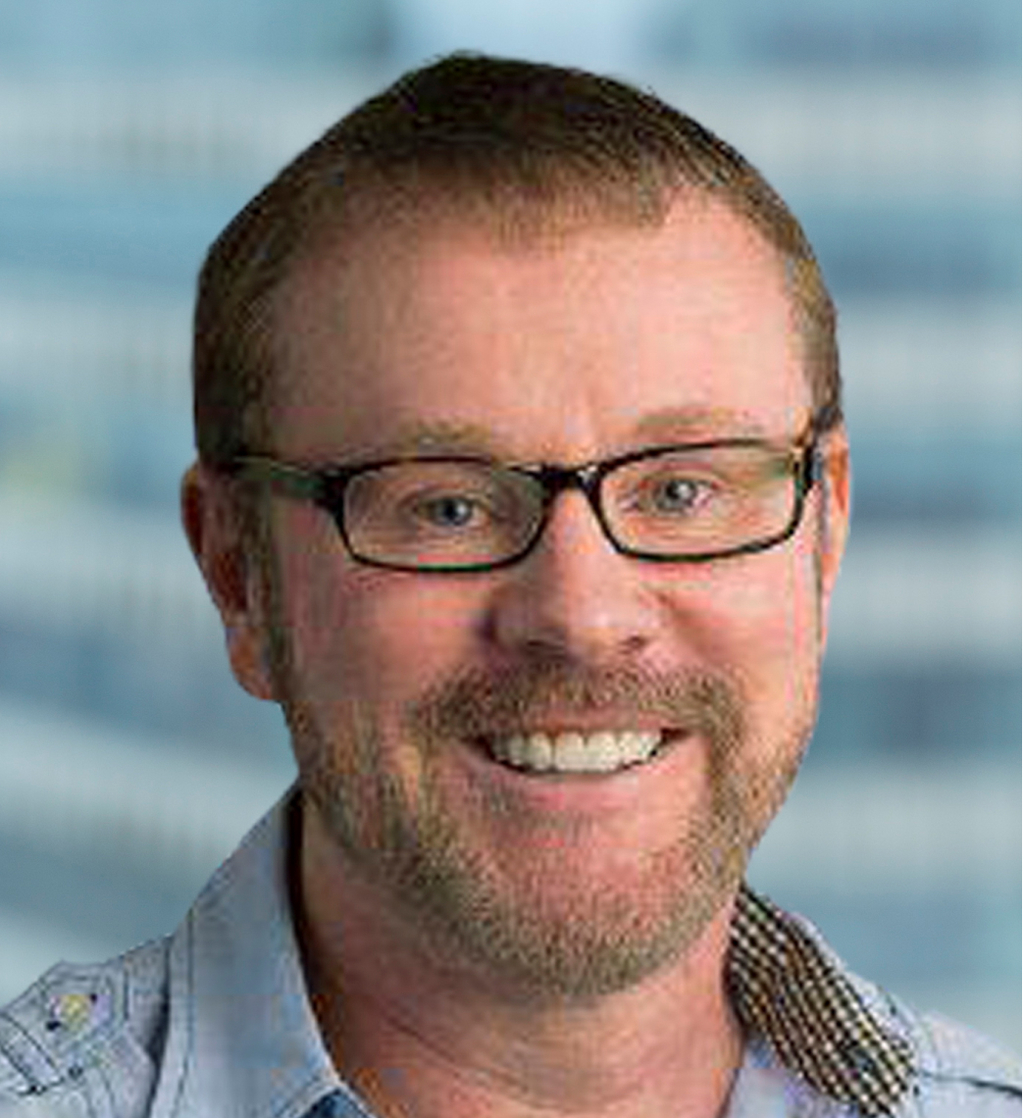
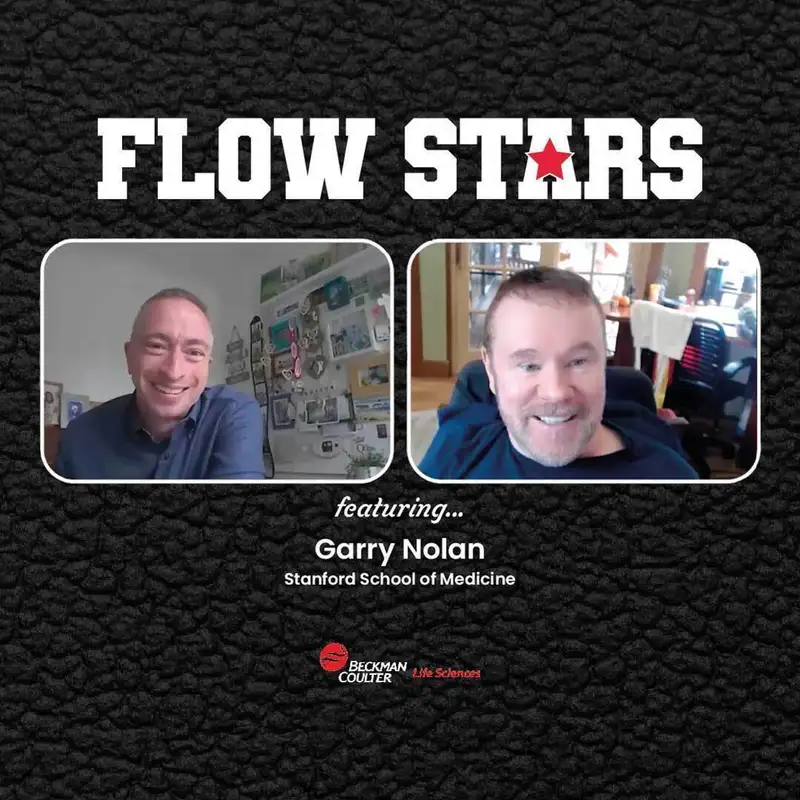
Stanford’s Garry Nolan – Visionary of Tomorrow’s Medicine
In the fast-paced world of biomedical research, true visionaries are rare. They are the scientists who look past current technological limitations and ask questions that seem impossible to answer at the time. Among this elite group stands **Stanford’s Garry Nolan – The Scientist Whose Ideas Foresaw Tomorrow’s Medicine!** As a professor of pathology at Stanford University School of Medicine, Nolan has spent decades building the foundational tools that now allow scientists to map human biology at unprecedented resolution.

From revolutionizing immunology with mass cytometry to exploring the frontiers of spatial biology and human consciousness, Nolan’s career is a masterclass in cross-disciplinary innovation. His work bridges physics, computer science, immunology, and oncology, creating a blueprint for how modern medicine is practiced today and where it is heading tomorrow.
The Technological Leap: Inventing Mass Cytometry
Before Nolan and his team stepped in, immunology faced a severe resolution problem. Traditional flow cytometry allowed researchers to tag cells with fluorescent markers, but they were limited by light overlap to observing only a handful of parameters simultaneously. This meant scientists were trying to understand complex immune responses—like an army responding to a battle—while only being allowed to track a few soldiers at a time.
Nolan changed this paradigm by co-inventing **mass cytometry** (CyTOF). Instead of using fluorescent light, CyTOF uses stable metal isotopes attached to antibodies. When a single cell passes through a mass spectrometer, the metal tags vaporize and are counted by their atomic mass.
- Increased Capacity: Researchers could suddenly measure 40 to 50 distinct parameters per individual cell simultaneously.
- Unprecedented Clarity: Complex cellular networks within tumors and immune systems could be mapped without the interference of background autofluorescence.
- Clinical Translation: This technology exposed previously invisible cell subtypes, paving the way for targeted immunotherapies.
By transforming cellular analysis from a blunt instrument into a high-definition lens, Nolan gave the scientific community the eyes it needed to see the microenvironment of diseases like cancer and autoimmune disorders.
Mapping the Microenvironment: Spatial Biology
Knowing what kinds of cells exist in a tissue sample is only half the battle. The other half is understanding their exact spatial arrangement. Where a T-cell sits relative to a cancer cell often determines whether a tumor grows or shrinks.
Nolan’s lab pioneered spatial proteomics and multiplexed ion beam imaging (MIBI). This technology acts like a Google Earth for human tissue. It allows researchers to zoom down to the cellular neighborhood level, seeing how immune cells interact with tumor cells, blood vessels, and structural tissues.
Why Spatial Mapping Matters for Oncology
Traditional biopsies grind up tissue, destroying the architectural context. Nolan’s spatial biology techniques preserve that architecture. By showing the physical topography of a tumor, his methods help explain why some patients respond dramatically to immunotherapy while others do not. This spatial insight is now standard in cutting-edge oncology trials, helping design drugs that bridge the physical gaps in tumor defenses.
Serial Entrepreneurship and Biotech Impact
Nolan is not just an academic theorist; he is a translational powerhouse. Recognizing that breakthrough tools must leave the university lab to save lives, he has founded or co-founded several biotechnology companies, including:
- DuraDyne
- Cynvenio
- Fluidigm (now Standard BioTools)
- Akoya Biosciences
Through these ventures, the high-throughput technologies developed in his Stanford lab were commercialized and distributed to research institutions worldwide. This ecosystem-building approach ensured that the tools for tomorrow’s medicine were put into the hands of thousands of other scientists decades ahead of their time.
Venturing Beyond Conventional Boundaries
True to the archetype of a scientific maverick, Nolan’s curiosity has occasionally led him into controversial territory, earning him a reputation as a modern-day Renaissance thinker. Beyond his heavy-hitting cancer and immunology papers, he has applied his analytical firepower to investigating anomalous phenomena, including materials associated with unidentified aerospace phenomena (UAP) and the neurological impacts of such encounters.
While some traditional academics shy away from fringe topics, Nolan approaches them with rigorous, peer-reviewed methodology. He argues that science must investigate the unexplained rather than dismiss it out of hand, embodying the ultimate scientific ethos: follow the data wherever it leads.
The Legacy of a Biological Pioneer
Today, the tools and concepts that Garry Nolan pioneered are standard operations in labs around the world. Single-cell sequencing, spatial proteomics, and high-dimensional data analysis are the pillars upon which personalized medicine is built.
As medicine transitions from a one-size-fits-all model to an era of individualized, cell-level precision, we are simply living inside the future that Garry Nolan envisioned decades ago. His career stands as a testament to the power of fearless interdisciplinary thinking, proving that the most profound medical breakthroughs come to those brave enough to invent the tools of tomorrow today.