Staten Island Homes for Rent: Complete Renter's Guide
When city dwellers crave more square footage, a private driveway, and a backyard without leaving New York City limits, Richmond County often tops the list. Exploring the market for staten island homes for rent gives renters a unique middle ground: the legal protections and transit connections of NYC combined with the greenery and quiet pace of a classic suburb.

Whether you are relocating from a cramped Manhattan walk-up, moving closer to family, or trying out the borough before buying, renting a single-family house or a private multi-family unit here requires a distinct strategy. From neighborhood nuances to heating costs and commuting logistics, here is everything you need to know before signing a lease on Staten Island.
Why Rent a House on Staten Island?
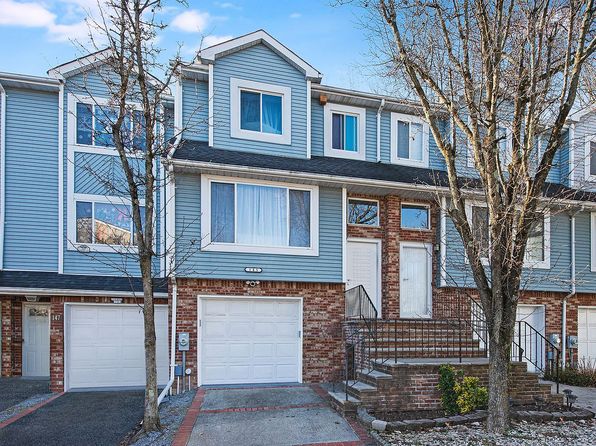
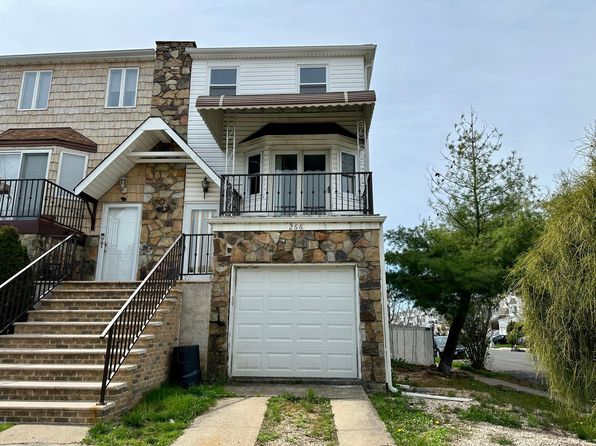
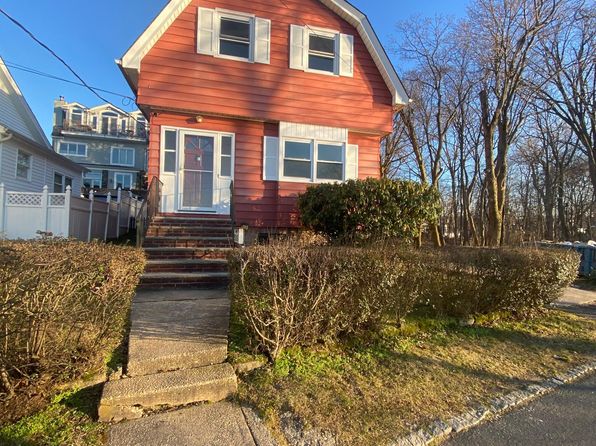
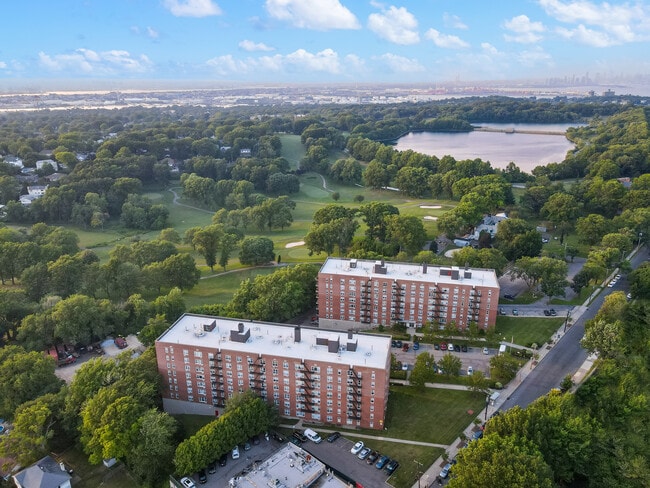
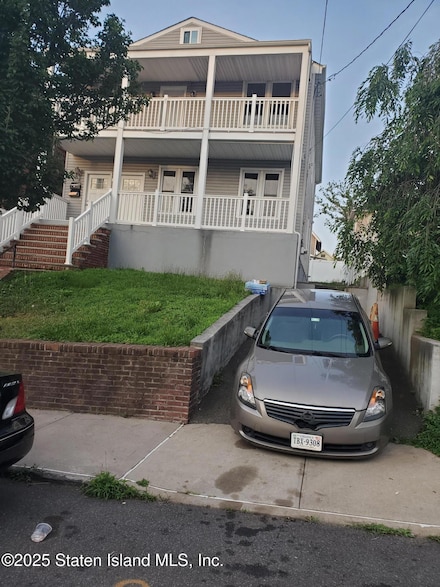
Unlike Brooklyn, Queens, or Manhattan—where apartment buildings dominate—Staten Island's housing stock consists primarily of detached, semi-detached, and attached houses. Renting a home here provides lifestyle perks that are rare elsewhere in the five boroughs:
- True Outdoor Space: Private yards, patios, and room for gardening, pets, or outdoor entertaining.
- Dedicated Parking: Driveways and built-in garages eliminate the nightly hunt for street parking.
- More Space for the Money: Price-per-square-foot ratios generally lean significantly in favor of renters compared to nearby Brooklyn neighborhoods like Bay Ridge or Park Slope.
- Peace and Privacy: Lower density means less foot traffic, less street noise, and established residential blocks.
Top Neighborhoods for Staten Island Homes for Rent
Staten Island is geographically diverse, divided broadly into the North Shore, Mid-Island, and South Shore. Each area has a distinct character, transit profile, and architectural footprint.
1. St. George, Tompkinsville, and Stapleton (North Shore)
If you need quick access to Lower Manhattan, the North Shore waterfront is the most practical starting point. St. George serves as the civic and transit hub, anchored by the free Staten Island Ferry terminal. Here, rental homes often take the form of turn-of-the-century Victorians, Craftsman houses, and multi-family brownstones. Neighborhoods like Stapleton and Tompkinsville offer historic charm, vibrant local dining, and short walks to the ferry, making them popular with young professionals and artists.
2. West New Brighton, Westerleigh, and Castleton Corners
Located slightly inland on the North Shore, these neighborhoods offer classic tree-lined residential streets. Westerleigh is famous for its tidy Dutch Colonials, manicured lawns, and community feel. West New Brighton offers proximity to the cultural offerings of Snug Harbor Cultural Center & Botanical Garden and Clove Lakes Park. Single-family homes here are popular among families seeking residential quiet while maintaining direct access to express bus routes to Midtown Manhattan.
3. Todt Hill, Emerson Hill, and Grymes Hill
Rising above the island are its hilltop enclaves. Todt Hill is famous for holding the highest natural point on the Eastern Seaboard south of Maine. While many of the sprawling estates here are owner-occupied, luxury houses occasionally enter the rental market. Grymes Hill features stately pre-war homes and properties with sweeping vistas of New York Harbor and the Verrazzano-Narrows Bridge.
4. Great Kills, Eltingville, and Annadale (South Shore)
Moving south, the borough feels increasingly suburban. The South Shore features ranches, broad split-levels, and colonial homes on generous lots. Great Kills offers a marina, parks, and direct access to the Staten Island Railway (SIR). These neighborhoods are prized for great schools, low crime rates, and community centers, making South Shore house rentals a primary target for families.
Understanding Typical Rental Costs and Property Types
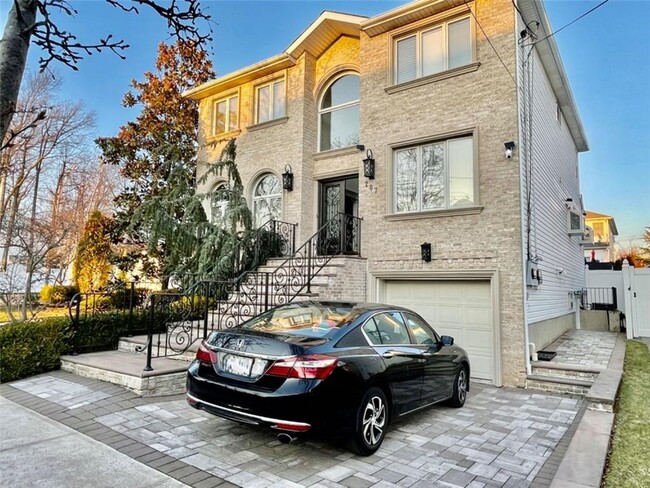
Rental houses on Staten Island generally fall into three categories: full single-family houses, semi-attached multi-level townhomes, or the primary unit of a "two-family" house (often a three-bedroom layout occupying the upper floors above a ground-level apartment).
- Two-Family Upper Units (2-3 Bedrooms): Generally range between $2,200 and $3,000 per month. These frequently include yard access and driveway privileges.
- Detached Single-Family Homes (3-4 Bedrooms): Typically command between $3,200 and $4,800+ per month, depending on location, acreage, and interior finishes.
- Luxury Properties (Todt Hill, Lighthouse Hill): Can exceed $5,500 to $7,000+ per month, offering private swimming pools, expansive grounds, and multi-car garages.
Commuting Realities: How to Get Around
Before committing to a rental, map out your daily commute carefully. Staten Island is the only borough without a direct subway connection to the rest of NYC, but it offers robust transit alternatives:
- The Staten Island Ferry: Runs 24/7 between St. George and Whitehall Terminal in Lower Manhattan. It is completely free and takes roughly 25 minutes.
- Staten Island Railway (SIR): Runs north-south along the eastern half of the island from Tottenville to St. George, serving as the feeder line for ferry commuters.
- MTA Express Buses (SIM Lines): One of the borough's best-kept secrets. These coach buses run from various neighborhoods directly into Downtown and Midtown Manhattan via dedicated bus lanes. They cost $7.00 per ride but offer a guaranteed seat, Wi-Fi, and a comfortable ride.
- Driving: Four major bridges connect the island: the Verrazzano-Narrows (to Brooklyn), and the Goethals, Bayonne, and Outerbridge Crossing (all to New Jersey). Be sure to account for bridge tolls when calculating your monthly budget.
Essential Tips for Prospective Tenants
Renting a standalone home is distinctly different from renting an apartment in a managed complex. Keep these practical considerations in mind during your search:
Clarify Utility Responsibilities
In high-rise apartments, heat and water are frequently included in the rent. In a rented house, tenants are almost always responsible for gas, electric, and heating fuel (oil or natural gas). Older single-family homes may require heating oil deliveries during the winter, which can run several hundred dollars a month in cold spells. Always ask the landlord for historical utility averages.
Confirm Property Maintenance Duties
When you lease a house with a yard, clarify who handles seasonal maintenance. New York City requires sidewalks to be cleared of snow within specific time windows after a snowfall. Determine whether lawn mowing, leaf raking, and snow removal are included in your rent or fall entirely on you as the tenant.
Prepare for Private Landlords
The vast majority of single- and two-family homes on Staten Island are owned by individual landlords or families rather than corporate property management firms. Standard NYC rental qualifications still apply—such as clean credit histories, background checks, and proof of income meeting roughly 40 times the monthly rent—but private landlords often value stable employment histories and strong personal references above all else.
Work with a Local Agent
Many of the best home rentals on Staten Island never appear on major consumer apartment apps. Instead, owners list them through the Staten Island Multiple Listing Service (SI MLS) via local brokerage firms. Connecting with a neighborhood-based agent can give you early access to listings before they filter down to national aggregators.
Final Thoughts
Choosing to rent a house on Staten Island provides the breathing room, privacy, and community warmth of suburbia while keeping you anchored in New York City. By zeroing in on the right neighborhood for your commute, understanding your utility obligations, and acting promptly when well-maintained homes hit the market, you can secure a rental that truly feels like home.