Steak Comes From What Animal? The Ultimate Guide
Introduction

When you sit down to enjoy a juicy, tender cut of meat at a restaurant or fire up the backyard grill, you might occasionally wonder: steak comes from what animal? While the vast majority of steaks consumed worldwide come from cattle, the culinary definition of a steak is actually much broader than most people realize. Understanding where your food originates not only satisfies your curiosity but also helps you make better choices when shopping for quality cuts.
In this guide, we will break down the primary animal source for traditional steaks, explore alternative animals used for specialty steaks, and look at how different primal cuts end up on your plate.
Steak Comes From What Animal: The Short Answer
For traditional, everyday steaks like ribeye, strip, and filet mignon, steak comes from cattle (cows, steers, heifers, and bulls). When these animals are processed, the beef is graded for quality and marbled with fat, which gives steak its signature flavor, juiciness, and tenderness.
However, cattle are not the only animals that produce steak. In culinary terms, a "steak" refers to a thick, flat cut of meat sliced perpendicular to the muscle fibers. This means that any large, muscular animal can technically yield steaks if butchered correctly.
Other Animals That Produce Steak
While beef is the king of steaks, several other animals provide delicious alternatives that are popular around the world. Here are the most common non-beef steak sources:
- Bison (Buffalo): Bison steaks look and taste very similar to beef, but they are typically leaner, slightly sweeter, and lower in cholesterol. They cook faster than beef due to their lower fat content.
- Venison (Deer): Venison steaks are rich, earthy, and gamey. Because deer are very active animals, their meat is extremely lean and requires careful cooking—usually rare to medium-rare—to prevent it from drying out.
- Pork: While often called chops, thick-cut pork loin chops are frequently referred to and prepared as pork steaks. They come from the pig's back and offer a juicy, savory flavor profile.
- Lamb: Lamb steaks are typically cut from the leg or shoulder of the animal. They feature a distinct, robust flavor that pairs well with herbs like rosemary and mint.
- Swordfish and Tuna: In seafood, thick cross-section cuts of large fish are called fish steaks. While not mammals, they are prepared using the same grilling and searing methods as meat steaks.
How Cattle Breeds Influence Your Steak
Since the vast majority of steaks come from cattle, it helps to know that not all cattle are the same. The breed, diet, and raising methods of the animal drastically impact the final product on your plate.
Popular Beef Cattle Breeds
Different cattle breeds are prized for specific traits:
Video: Where do steaks come from?
- Angus: Known for superior marbling (intramuscular fat), Black Angus cattle produce exceptionally tender and flavorful steaks.
- Hereford: Renowned for adaptability and good foraging, Hereford beef is flavorful and widely available.
- Wagyu / Kobe: Originating in Japan, Wagyu cattle produce heavily marbled beef that melts in your mouth. Authentic Kobe beef comes exclusively from Tajima-strain Wagyu cattle raised in Japan's Hyogo Prefecture.
Grass-Fed vs. Grain-Fed

The animal's diet also plays a massive role in taste and texture:
Grain-fed cattle spend the majority of their lives eating a diet of corn and grain, which produces heavy fat marbling and a rich, buttery flavor. Grass-fed cattle eat pasture grass throughout their lives, resulting in a leaner steak with a more robust, earthy, and sometimes grassy flavor profile.
Popular Steak Cuts and Their Locations
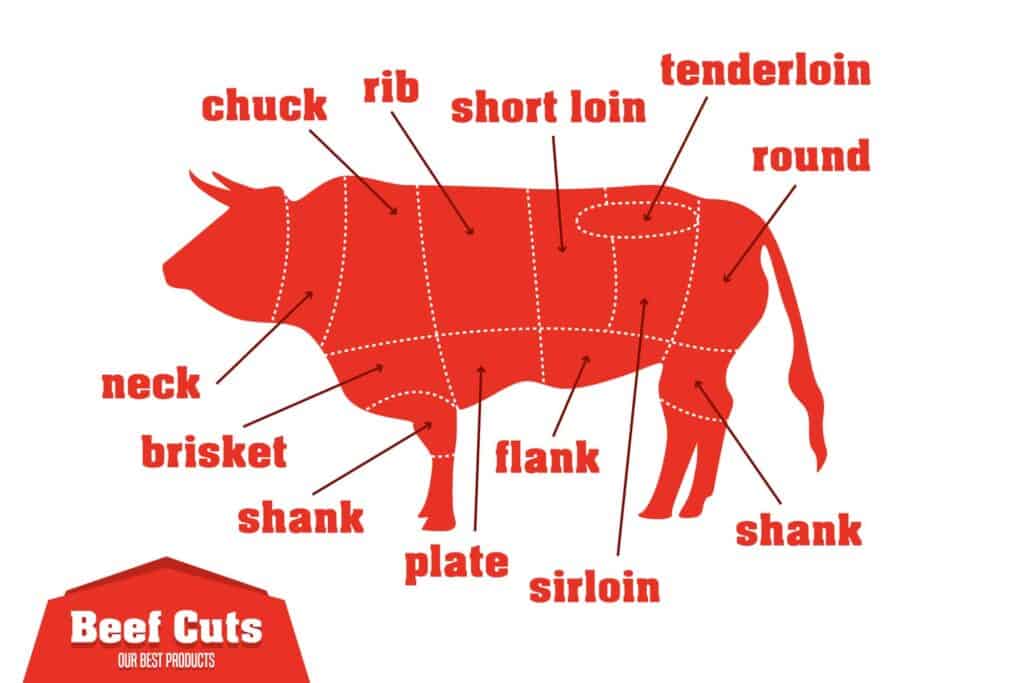
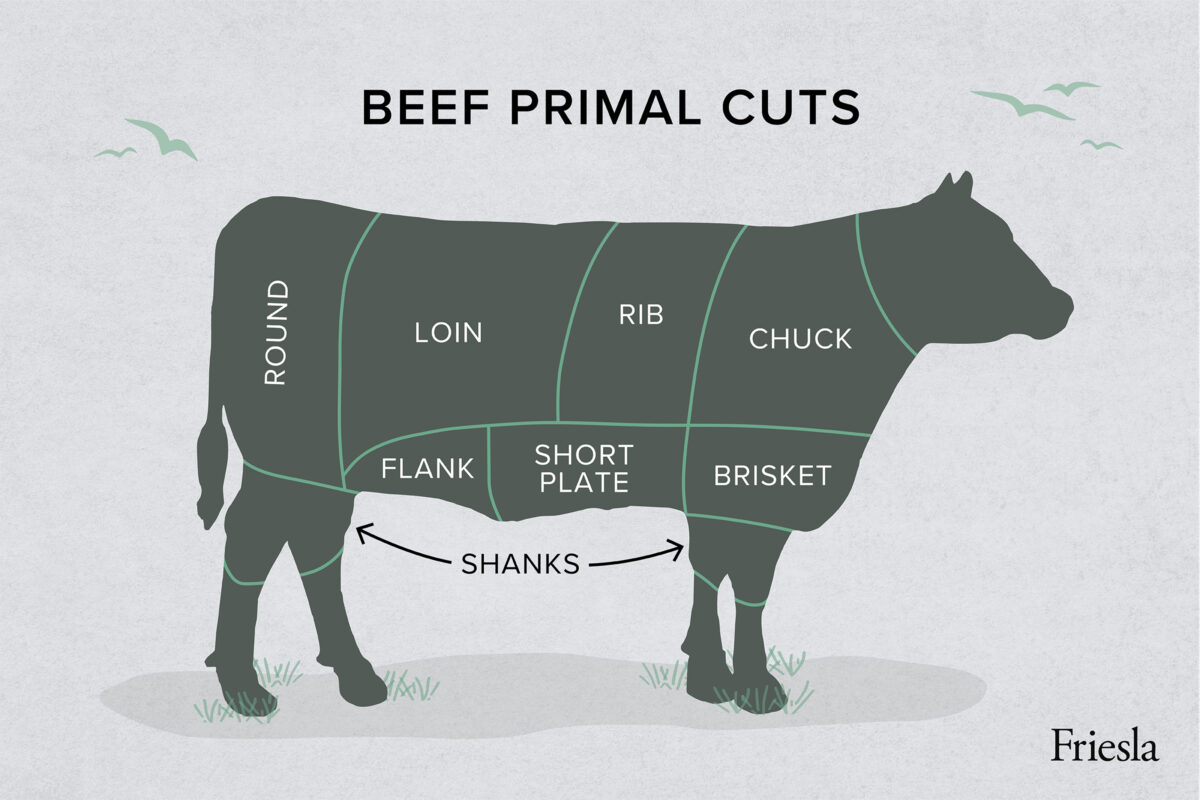
To truly understand steak, it helps to know where different cuts originate on a cow. A side of beef is divided into large sections called primal cuts, each yielding specific types of steaks.
The Loin Section
The loin provides the most tender and desirable steaks because these muscles do not do heavy work during the animal's life.
- Filet Mignon: Cut from the tenderloin, this is the most tender steak available, prized for its delicate texture.
- New York Strip: Cut from the short loin, this steak offers a robust beef flavor with a nice strip of fat along the edge.
- Porterhouse and T-Bone: These steaks feature a T-shaped bone with the tenderloin on one side and the strip steak on the other.
The Rib Section
Located near the upper back of the animal, the rib section yields exceptionally flavorful and juicy cuts.
- Ribeye: Famous for its generous fat marbling and "rib cap" (spinalis dorsi), the ribeye is widely considered the most flavorful steak.
The Chuck and Round Sections
Steaks from the chuck (shoulder) and round (rear leg) come from heavily exercised muscles, making them tougher and leaner.
- Flat Iron: Cut from the shoulder, this has surprisingly good tenderness and deep flavor.
- Sirloin: A versatile cut from the hip region, offering a balance of tenderness and beefy flavor at a lower price point.
Conclusion
So, steak comes from what animal? Primarily, it comes from cattle, yielding the classic beef steaks we enjoy globally. However, adventurous eaters and meat lovers can also enjoy steaks sourced from bison, venison, pork, and lamb. No matter which animal your steak comes from, understanding the cut, the grade, and the preparation method ensures a delicious meal every time.