Steel Tongue Drum Rain: The Ultimate Garden Guide
Few sounds match the restorative, grounding rhythm of precipitation, but pairing this natural percussion with a metallic instrument transforms a simple storm into an acoustic performance. The phenomenon of the steel tongue drum rain garden setup has captivated nature lovers, gardeners, and sound healers alike. Watching raindrops fall onto tuned steel slats creates an organic, ever-shifting melody that calms the nervous system and turns any patio or backyard into an ambient sanctuary.
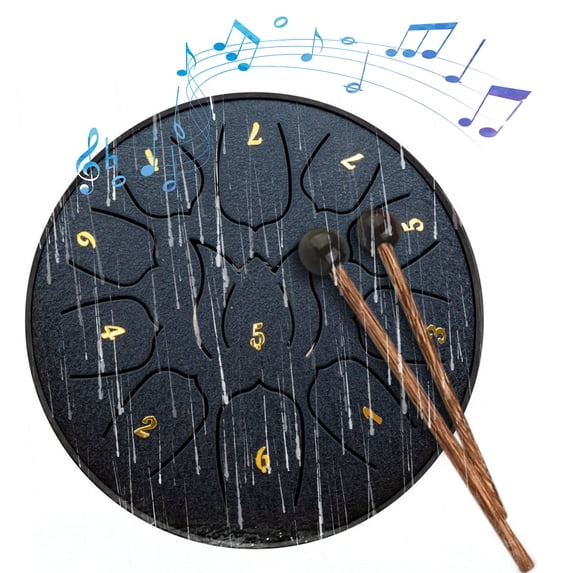
While videos across social media make it look effortless, placing an acoustic instrument outside in a downpour requires an understanding of water dynamics, tuning scales, and metal preservation. This guide covers how raindrop-powered acoustic instruments work, which scales sound best in storms, how to set up your garden for optimal acoustics, and how to protect your drum from weather damage.
The Acoustic Science: How Rain Plays a Tongue Drum
A steel tongue drum—often called a tank drum or hank drum—is typically crafted from an empty propane cylinder, alloy steel, or pressed carbon steel. Slits are laser-cut or hand-sawn into the top dome, creating resonant tongues of varying lengths and weights. Each tongue vibrates at a specific fundamental frequency when struck.
When played by human hands or rubber mallets, the impact force is concentrated and intentional. Rain, however, operates on kinetic randomness. Whether a raindrop triggers an audible pitch depends on three primary factors:
- Droplet Mass and Terminal Velocity: Fine mist or light drizzle lacks the momentum required to excite the metal tongue. Normal raindrops (measuring 2 to 5 millimeters across) falling at terminal velocity deliver sufficient kinetic energy to cause the tongue to flex and resonate.
- Water Damping Effect: As water pools on the surface of a steel tongue, it adds mass to the vibrating metal. This shifts the pitch slightly downward and dampens the sustain, resulting in a muted, warm "thud" rather than a clean, ringing chime.
- Impact Location: Striking the sweet spot (roughly two-thirds toward the tip of the tongue) generates maximum resonance. Drops hitting near the base of the cut produce duller, higher-register clicks.
Designing the Ultimate Steel Tongue Drum Rain Setup
You cannot simply place a drum in the center of an open lawn and expect a concert. Wind can disperse raindrops, mist may fail to trigger the notes, and a sudden cloudburst can flood the surface within seconds, killing the sound. To get rich, musical tones, you must design a dedicated catchment space.
1. Harnessing Runoff: Roofs, Gutters, and Chains
The secret to continuous, resonant rainfall music lies in concentrating the water flow. Placing the drum directly under natural drip points creates heavier, rhythmic strikes that sing clearly above the ambient hiss of the storm.
- Rain Chains (Kusari-doi): Hang a Japanese rain chain from your gutter downspout and position the drum just below the base or along an offset tier. The chain guides individual large droplets directly toward the tongues.
- Tree Canopy Drips: Broadleaf trees such as maples, oaks, or catalpas catch small raindrops and consolidate them into massive, heavy drops that fall at uneven intervals, creating an intricate polyrhythmic pattern.
- Roof Valleys and Eaves: An un-guttered eave or a slight valley on a shed roof channels steady, substantial drips that hit the drum with significant force.
2. Angling the Drum for Natural Drainage
Never place your drum completely flat when relying on rainfall. A horizontal drum collects standing water across its tongues within minutes. Once a layer of water forms, the acoustic sustain drops to near zero.
Tilt the drum at an angle between 10 and 20 degrees. This tilt allows water to run off the tongues into the cut channels, preserving the instrument's vibration while still providing a flat enough target for falling drops. Ensure the lowest point of the drum has a gap or drainage hole so water escapes the bottom chamber.
Selecting the Best Scale for Rain Music
Because falling rain strikes notes at random, choosing the wrong scale can result in harsh dissonance. A standard diatonic or chromatic scale contains semitones (half-steps) that clash when triggered together by random drops.
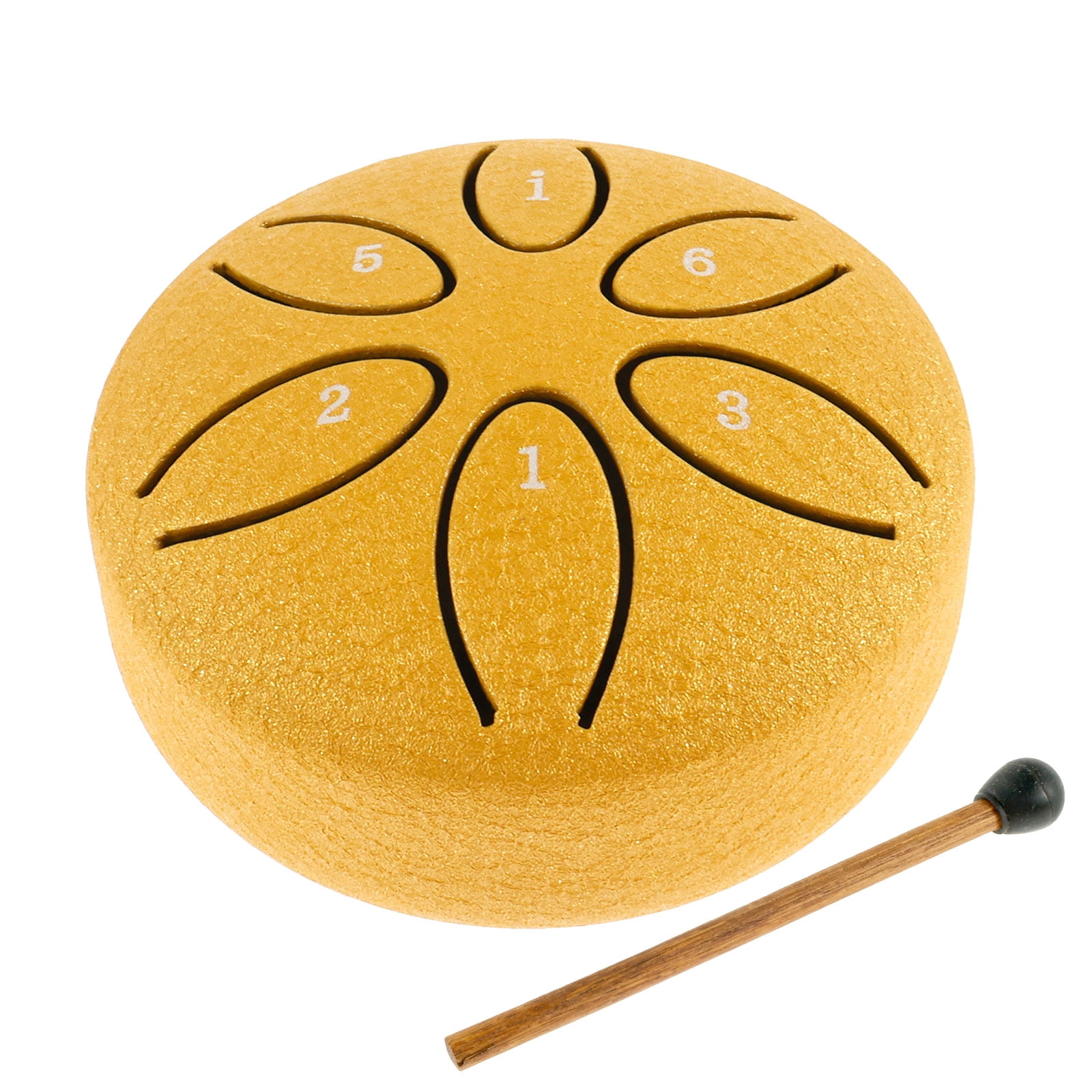
To ensure your outdoor rain drum produces peaceful, meditative music no matter which tongues are struck, opt for an open, harmonious scale:
- Pentatonic Scales (Major or Minor): Containing only five notes per octave with no half-step intervals, pentatonic scales cannot produce a harsh discord. A D Minor or A Minor pentatonic scale yields a contemplative, cinematic atmosphere.
- Akebono Scale: A traditional Japanese musical mode that evokes calm, meditative reflection. It complements Zen gardens, koi ponds, and bamboo water features exceptionally well.
- Pygmy Scale: Grounded and earthy, the Pygmy tuning produces low, grounding overtones that blend effortlessly with the white noise of falling water.
- High D-Major or C-Major: For bright, cheerful sounds reminiscent of wind chimes, higher pitched major scales cut through the roar of heavy downpours.
Metal Selection and Weatherproofing
Water and steel are natural adversaries. If you plan to leave a steel tongue drum in the rain, material choice and maintenance determine whether your instrument lasts for years or rusts into silence in a single season.
Carbon Steel vs. Stainless Steel vs. Nitrided Steel
Standard low-carbon steel rusts rapidly when exposed to humidity and rain. If you purchase an inexpensive craft drum, outdoor rain exposure will quickly corrode the cuts between the tongues, changing their weight and permanently ruining their tuning.
For outdoor use, choose instruments made from:
- Nitrided Steel: Nitriding is a thermochemical treatment that diffuses nitrogen into the surface of the metal, dramatically increasing hardness, corrosion resistance, and scratch resistance. Handpans and high-end tongue drums often use this treatment.
- 304 or 316 Stainless Steel: Stainless steel resists oxidation naturally due to its chromium content. It rings with a slightly brighter tone and higher sustain than carbon steel, making it ideal for rain setups.
- Powder-Coated or Electroplated Finishes: A heavy industrial powder coating seals the metal away from moisture. Verify that the inner cut edges are sealed, as exposed edges are where oxidation starts.
Routine Maintenance and Rust Prevention
Even coated instruments require proactive care when placed outdoors. Follow this protection routine to keep your drum resonant and rust-free:
- Apply a Protective Sealant: Treat the outer and accessible inner surfaces with high-grade metal oils like Ballistol, Phoenix Oil, or pure carnauba wax. These products create a hydrophobic barrier that forces water to bead up and roll off the tongues.
- Clear Debris from the Slits: Wind and rain push leaves, dirt, and pollen into the narrow slits between the tongues. Clean these out with a soft brush or thin plastic card; trapped debris deadens the tone and traps moisture.
- Dry After Extreme Weather: If a prolonged storm passes and days of damp overcast weather follow, bring the drum inside, dry it thoroughly with a microfiber towel, and allow the interior chamber to air out.
Bringing the Soundscape Indoors
If you live in an apartment, lack an open outdoor garden, or want to protect an expensive handpan from moisture damage, you can still experience the relaxing union of steel and rain. Place your drum on an indoor windowsill during a heavy downpour, open the window slightly to hear the outdoor storm, and use soft felt mallets to mirror the rhythms of the rain outside.
Alternatively, placing a waterproof microphone near your outdoor setup allows you to stream the live acoustic harmony directly through home speakers. You get the authentic, therapeutic resonance of nature playing your instrument while remaining dry and warm inside.
Final Thoughts
Creating an outdoor acoustic installation bridges the gap between natural weather events and intentional sound therapy. By selecting a corrosion-resistant metal, choosing a harmonious pentatonic scale, and angling the drum beneath a rain chain or tree canopy, you can enjoy a custom, nature-powered soundscape whenever the clouds open up.