Steve Jobs' Legacy: Tank Investments & Wealth
Decoding the Apple Co-Founder's Wealth

When people think of Steve Jobs, they picture turtleneck sweaters, sleek product launches, Macintosh computers, and a massive fortune tied up in Apple and Pixar stock. However, internet lore and viral rumors occasionally love to throw wild curveballs into historical narratives. If you have spent any time browsing forums or sensationalized social media threads, you might have stumbled upon bizarre claims regarding a Shocking Breakdown: How Much of Steve Jobs’ Legacy Lies in Tank Investments and Dollar Signs!
It makes for a dramatic headline, but how much truth is actually buried beneath these eccentric rumors? In this article, we separate internet fiction from financial fact, examining where Jobs' actual money came from, how he managed his wealth, and why the idea of military hardware in his portfolio is entirely fictional.
Where Did Steve Jobs Actually Make His Money?
To understand Steve Jobs' financial footprint, we have to look past the myths and examine his real balance sheet. Jobs was famously never the wealthiest person on the planet while he was alive, often lagging behind contemporaries like Bill Gates or Warren Buffett. His wealth was deeply tied to his visionary entrepreneurial pursuits rather than diversified, aggressive speculation in heavy industry or commodities.
Apple Stock and the 1997 Return
When Jobs was ousted from Apple in 1985, he sold almost all of his shares in the company, retaining just a single share so he could receive annual shareholder reports. When he returned as CEO in 1997, Apple was on the brink of bankruptcy. His compensation initially consisted of a symbolic $1 salary, alongside massive stock option grants as the company miraculously turned around.
- The 1999 Stock Grant: Apple granted Jobs 10 million stock options and eventually a $90 million Gulfstream V private jet as compensation for saving the company.
- The iPhone Era: By the late 2000s, Apple's explosive growth through the iPod, iPhone, and iPad catapulted Jobs' net worth into the multi-billions.
The Pixar Windfall
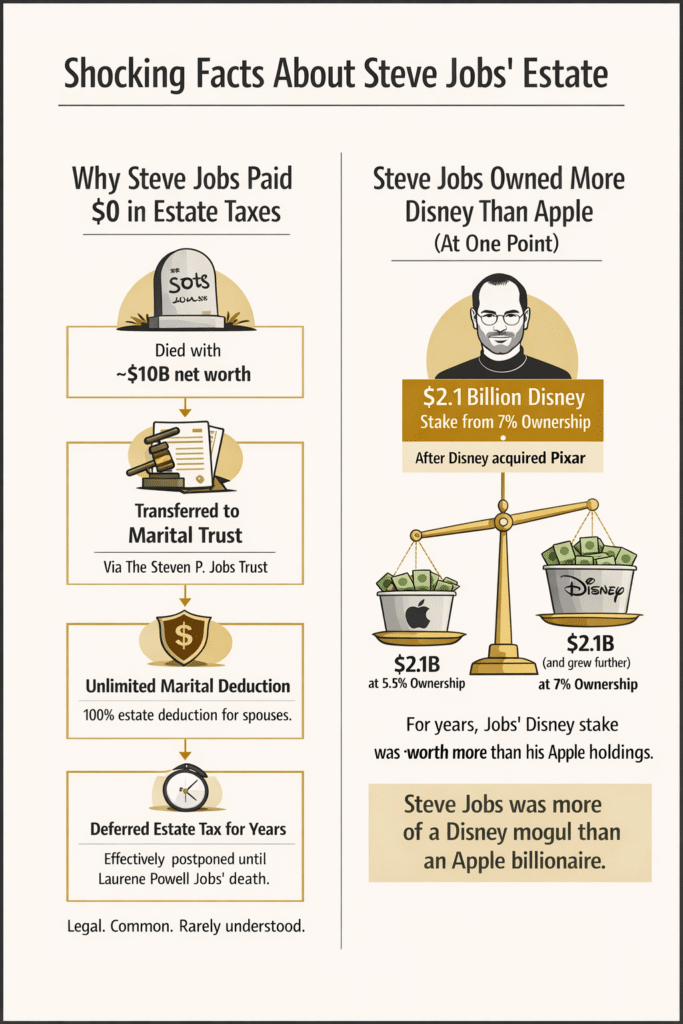
After leaving Apple, Jobs purchased The Computer Graphics Division from George Lucas for $10 million, renaming it Pixar. He invested heavily out of his own pocket to keep the animation studio afloat during its lean years before partnering with Disney. When Disney acquired Pixar in 2006 for $7.4 billion in stock, Jobs became Disney's largest individual shareholder, holding roughly 7% of the company. This single transaction vastly outweighed his early Apple wealth.
Deconstructing the Tank Investment Myth
So, where does the viral notion of military vehicles fit into this? The short answer is: it doesn't. There is zero credible historical evidence, financial disclosure, or biography indicating that Steve Jobs ever invested a single dollar into military tanks or armored divisions.

Jobs was notoriously focused on consumer electronics, digital animation, intuitive software, and sleek industrial design. His personal investments outside of Apple and Pixar were conservative, largely managed by trusts and wealth management firms focusing on real estate, standard equities, and venture capital in adjacent tech spaces. The rumor of tank investments appears to be a piece of internet satire or a sensationalized myth designed to generate clicks through absurd juxtaposition.
The Real Dollar Signs of Jobs' Estate
When Steve Jobs passed away in October 2011, his net worth was estimated by Forbes to be around $10.4 billion. However, the vast majority of this wealth was not sitting in a bank account waiting to buy heavy artillery; it was tied up in equity holdings that shaped modern media and technology.
The Breakdown of His Holdings
- Disney Stock: Valued at roughly $4.4 billion at the time of his death, making up the largest portion of his net worth.
- Apple Stock: Ironically, Jobs held relatively little Apple stock at his death—only about 5.5 million shares, valued around $2.1 billion. He had liquidated a large portion of his early Apple holdings over the decades.
- Real Estate and Private Assets: His family home in Palo Alto, properties in Woodside, and his yacht *Venus* comprised the remainder of his tangible estate.
Why Legacy Matters More Than Net Worth
Ultimately, obsessing over sensationalized headlines about tank investments misses the point of what Steve Jobs left behind. His true legacy is not measured in raw dollar signs or mythical military hardware, but in the cultural and technological shift he engineered. He transformed how humanity communicates, listens to music, consumes media, and interacts with computers on a daily basis.
While stories about eccentric billionaire expenditures make for entertaining urban legends, the reality of Jobs' financial life is far more conventional: a story of high-stakes entrepreneurship, visionary bets on computer animation, and a relentless pursuit of design perfection.
Conclusion
The internet loves a good tall tale, and the idea of a tech visionary funneling money into armored tanks is certainly dramatic. Yet, a clear-eyed look at the facts reveals that Steve Jobs' financial legacy is firmly rooted in Silicon Valley and Hollywood—not on the battlefield. By focusing on Apple and Pixar, Jobs built a lasting empire defined by sleek consumer products rather than heavy machinery, securing his place in history books for entirely different reasons.