StewMac Guitar Kit Review: Are They Worth It?
Building your own electric guitar is one of the most rewarding projects a musician can undertake. When researching options, the name Stewart-MacDonald almost always comes up. Known industry-wide for high-end luthier tools, StewMac also offers a popular line of DIY instrument packages. This comprehensive StewMac guitar kit review will examine what makes these kits unique, how they assemble, and whether they justify their premium price tag compared to budget alternatives.
Overview of StewMac Guitar Kits
Unlike cheap, generic guitar kits found on online marketplaces for under $150, StewMac positions its products in the professional tier. They offer classic designs including Stratocaster, Telecaster, Les Paul, and ES-335 styles. The primary selling point is that these are not merely parts thrown into a box; they are manufactured using traditional luthier methods with a heavy focus on tone woods and precision engineering.
Prices for these kits are significantly higher than entry-level competitors, often ranging from $400 to well over $700 depending on the model and hardware upgrades. However, the target audience isn't just someone looking for a cheap hobby—it is musicians and aspiring luthiers who want a professional-grade instrument that rivals factory-made guitars costing twice as much.
What’s Included in the Box?
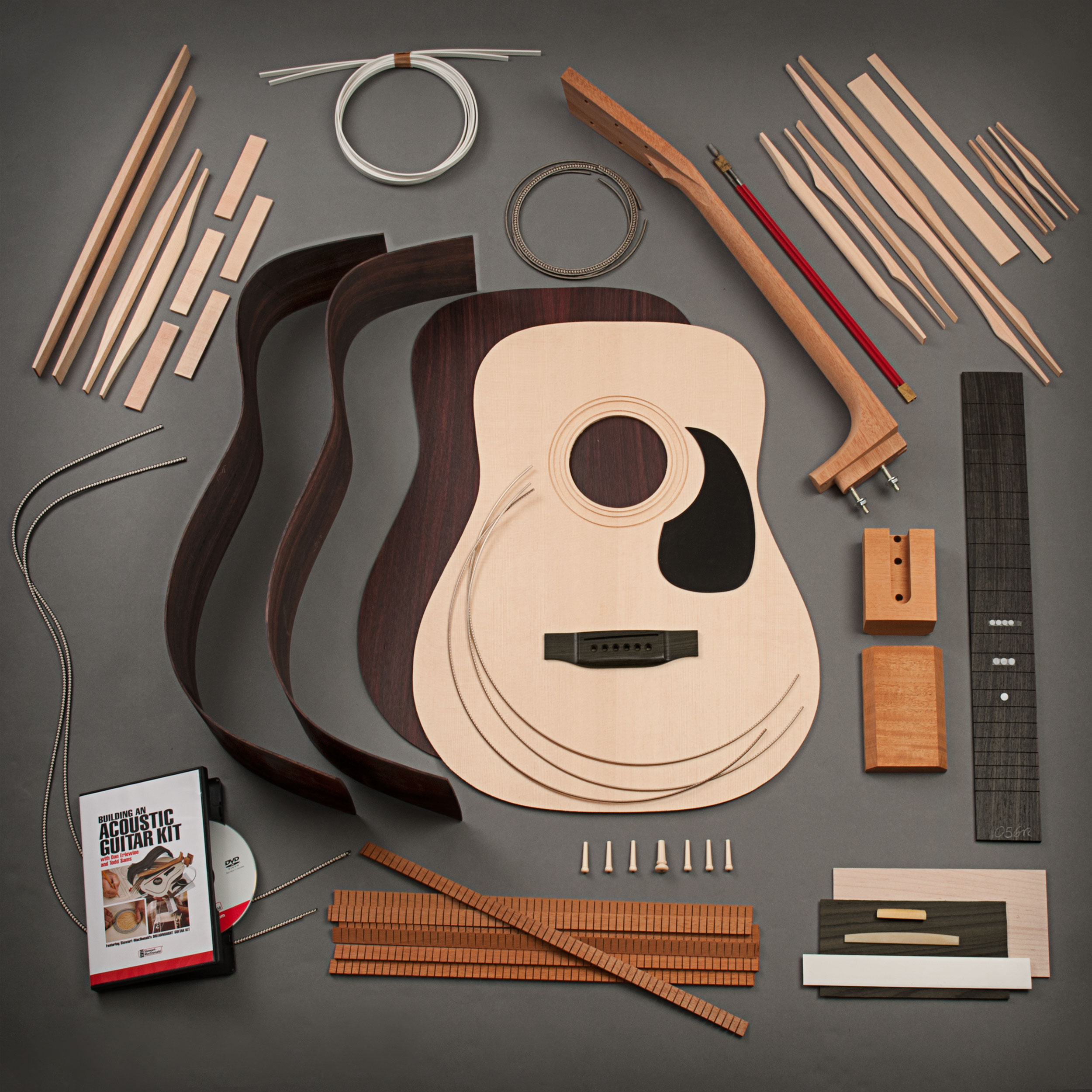
Opening a StewMac kit reveals a stark contrast to budget imports. The contents are carefully curated to ensure minimal frustration during the build process.
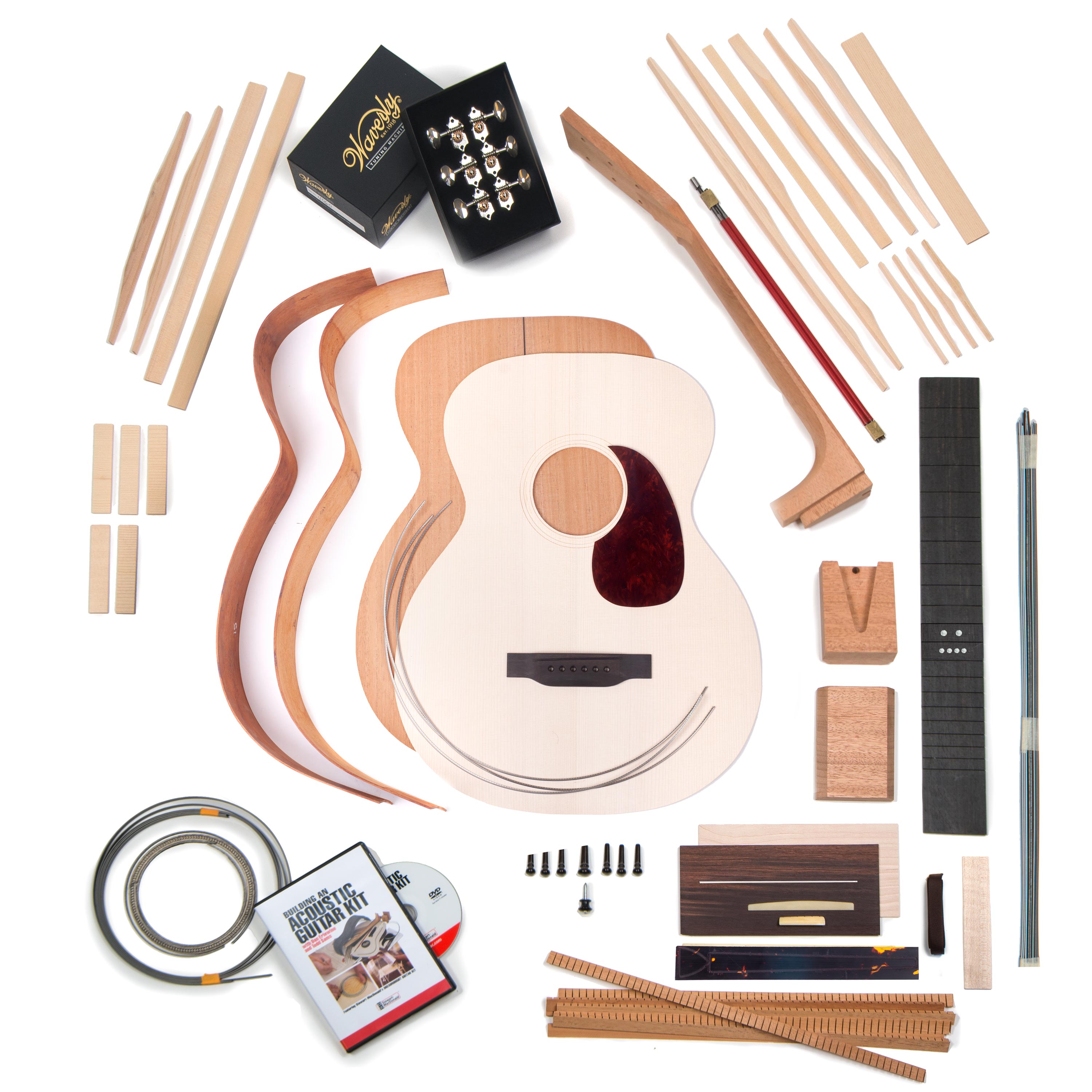
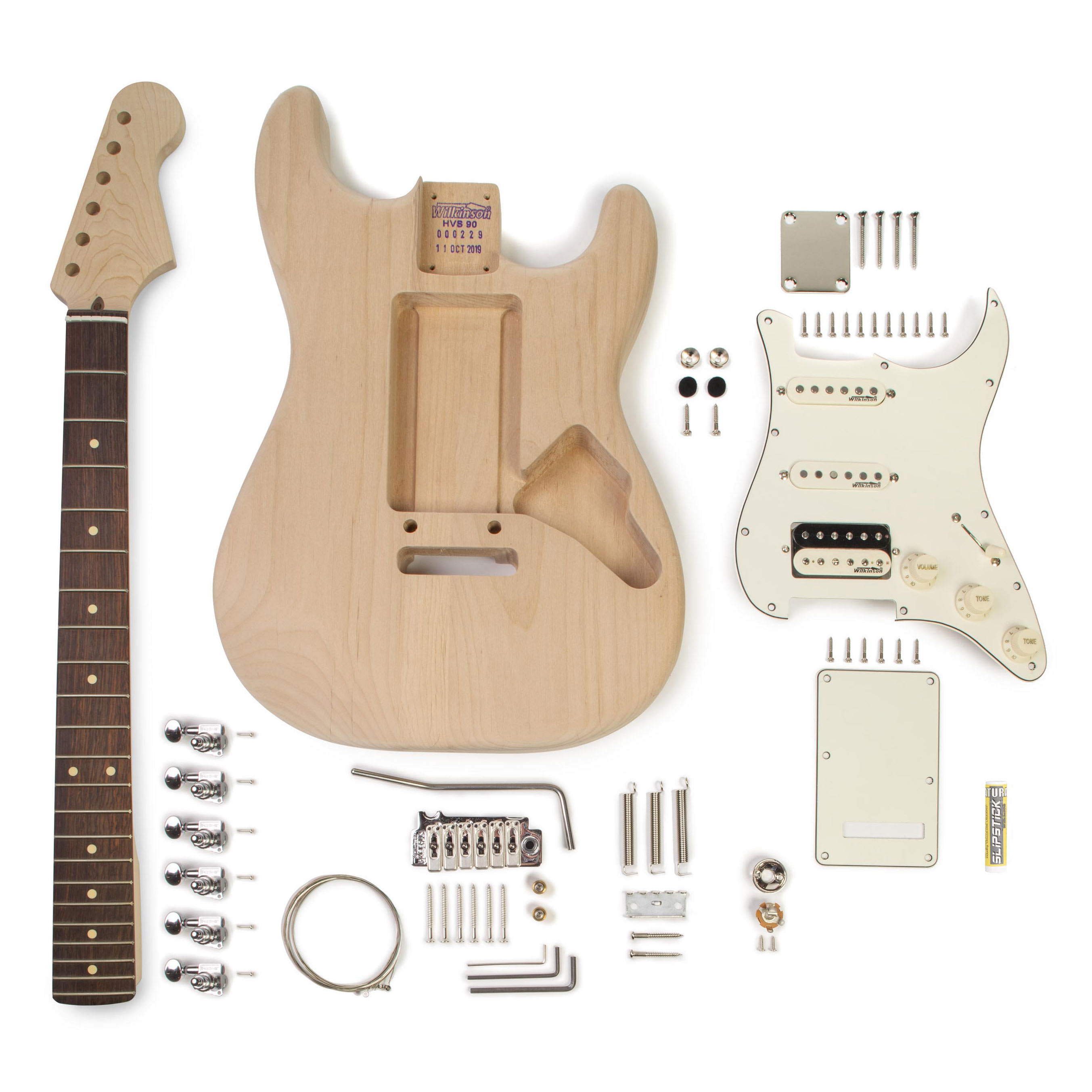
- Pre-shaped body and neck: Bodies are made from genuine tonewods like American swamp ash, alder, or mahogany, and necks feature traditional truss rod installations.
- Fretwork: Unlike cheap kits where frets require extensive leveling, StewMac frets are typically seated cleanly, though minor dressing is still recommended.
- Hardware: Depending on the package, you receive quality tuning machines, bridges, and electronics that don't need immediate replacement.
- Instructions: Comprehensive, step-by-step guides written specifically for beginners and intermediate builders.
Build Quality and Precision Fit
The single biggest hurdle in building a guitar is the neck pocket fit. A loose neck joint kills sustain and intonation. During our evaluation for this StewMac guitar kit review, the neck-to-body joint was a standout feature. The fit was remarkably snug—so tight, in fact, that the neck could nearly hold its own weight in the pocket before screwing it down.
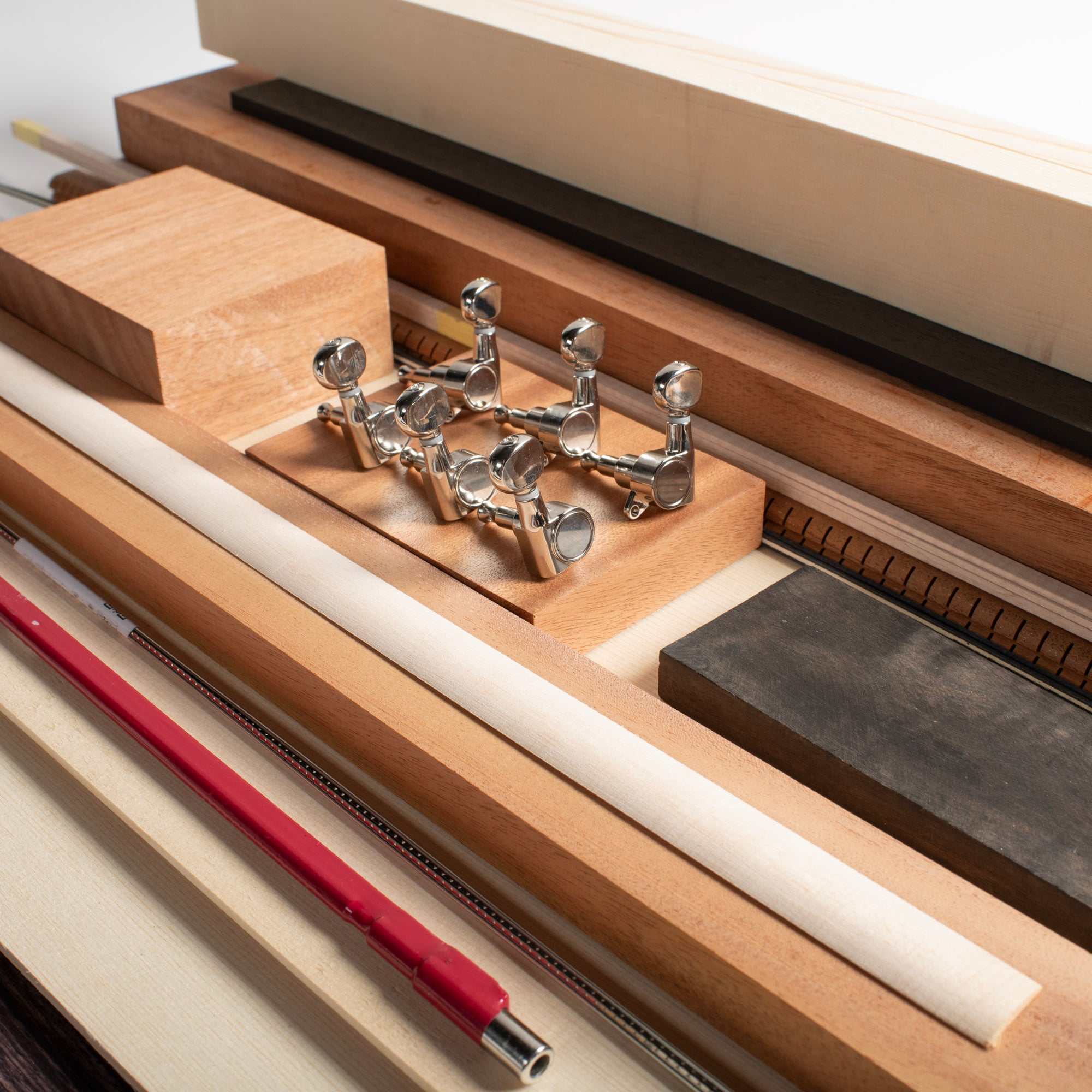
The wood selection is equally impressive. The grain patterns on the bodies are clean, free of ugly knots or awkward joins, making them ideal for clear finishes like sunbursts or natural oils. The fingerboards (available in maple, rosewood, or ebony depending on the model) come pre-radiused and slotted with clean inlay work.
The Assembly Process: Is It Beginner-Friendly?
Building a StewMac kit requires patience, basic woodworking tools, and finishing supplies. Here is a breakdown of what to expect during the build:
1. Finishing the Wood
Video: Stewmac T-Style Guitar Kit Review: Unboxing & Brutally Honest First Impressions!
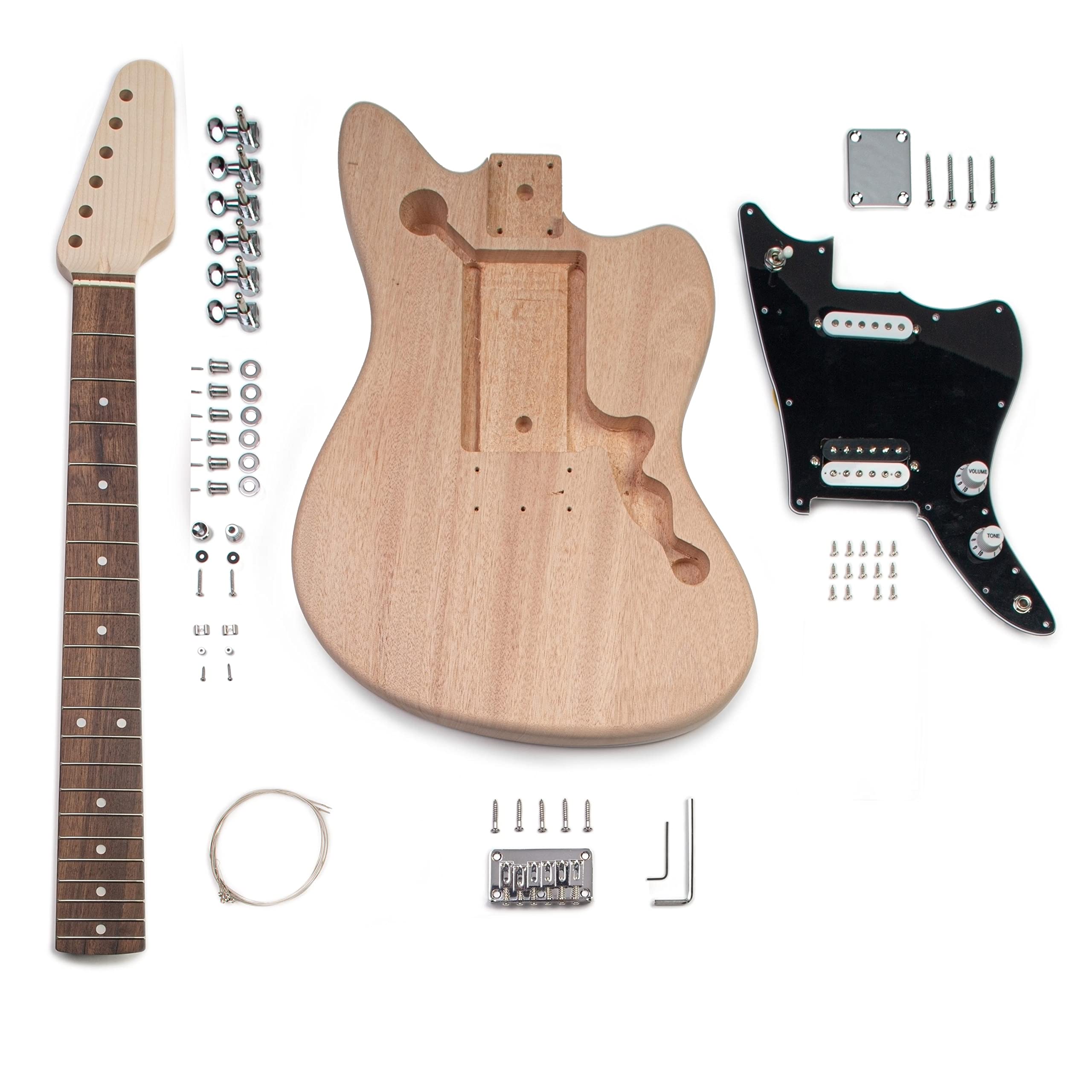
The guitar arrives completely unfinished. This is where you will spend the majority of your time. Whether you choose a simple Tru-Oil finish, nitrocellulose lacquer, or spray-can enamel, wood preparation, sanding, and grain filling are entirely up to you. StewMac sells finishing supplies, but be prepared for this phase to take days or even weeks due to drying times.
2. Hardware and Electronics Installation
The routing for the pickups, control cavities, and bridge alignment is done with high precision. Screw holes are often pre-drilled just enough to guide you without stripping. The electronics usually feature solderless connections or traditional components with clear wiring diagrams, making the wiring phase straightforward even for beginners.
3. Setup and Intonation
Once assembled, setting up the guitar involves adjusting the truss rod, setting the action at the bridge, and intonating the saddles. Because the frets are properly leveled from the factory, achieving a low, buzz-free action is much easier than with budget kits.
Pros and Cons
Every product has its strengths and weaknesses. Here is a balanced look at StewMac kits:
The Pros
- Superior Wood Quality: Real tonewoods that resonate well and look fantastic under a transparent finish.
- Precise Engineering: Excellent neck pocket joints and accurate scale lengths.
- Upgraded Components: Hardware and pickups that actually sound good and hold tune.
- Educational Value: You learn how a guitar works from the inside out, making future maintenance and setups effortless.
The Cons
- High Price Tag: Significantly more expensive than generic alternative kits.
- Finishing Required: Sanding and finishing require a workspace, safety gear, and time.
- Tool Investment: While you don't need a full luthier shop, basic screwdrivers, soldering irons, and sandpaper are required.
Are StewMac Kits Worth the Money?
If you are looking for the absolute cheapest way to get a playable electric guitar, a StewMac kit is not for you. You can buy a decent factory-made Squier or Epiphone for less money.
However, if you want the satisfaction of building your own instrument, desire professional-level playability, and want an educational woodworking project, StewMac kits are easily worth the investment. The resulting guitar isn't just a novelty project—it's an instrument you will proudly gig with for years to come.